
Video content is more vital than ever in 2026, but figuring out what you should pay for it can be confusing. The landscape is crowded with options, each claiming to offer the best results at different price points.
This guide cuts through the confusion surrounding video production pricing. You will discover what costs to expect, what drives those numbers, and how to make choices that support your brand’s ROI.
We will explore current price ranges, key pricing factors, DIY versus professional solutions, and practical tips to make your video investment work harder for you. Let’s bring clarity to your video strategy.
The Real Cost of Video Production in 2026
Navigating video production pricing in 2026 can feel overwhelming, especially as brands face a vast range of project types and budget requirements. From small startups to global enterprises, clear insight into what drives costs—and how to anticipate them—is essential for making smart, ROI-focused decisions.
 Cost of Video Production in 2026">
Understanding Average Price Ranges
In 2026, video production pricing is more dynamic than ever, reflecting the diversity of formats and delivery channels. On average, professional video production costs range from $5,000 to $20,000 per project, with high-end campaigns easily surpassing $50,000. For major campaigns or national commercials, budgets can reach $200,000 or more, especially when complex visuals or celebrity talent are involved.
Entry-level projects, such as DIY videos, may only require a $20 to $30 monthly software subscription. However, hiring a professional crew or agency rapidly increases investment. Hourly rates for production companies tend to fall between $100 and $149, while crew day rates span from $750 to $5,000, depending on expertise and equipment needs.
To illustrate, a simple two-minute explainer video might cost $3,000 to $10,000, while a cinematic brand film could require an investment of $40,000 or more. Notably, 30 to 40 percent of the total budget is often allocated to post-production tasks like editing, sound design, and special effects.
Pricing varies significantly by region, video style, and project complexity. Transparent pricing models are gaining traction, yet hidden fees for rush delivery, extensive revisions, or extra licensing can still impact your budget. For a comprehensive overview of current rates and what to expect, consult this authoritative video production pricing guide.
Below is a quick reference table showing typical video production pricing for common project types in 2026:
| Video Type | Typical Cost Range | Notes |
|---|---|---|
| Explainer Video | $3,000 - $10,000 | 1-2 minutes, basic animation |
| Brand Film | $20,000 - $100,000+ | High production value |
| Social Media Video | $1,000 - $5,000 | Short-form, batch pricing |
| TV Commercial | $10,000 - $50,000+ | Broadcast-ready, complex crew |
| DIY Software | $20 - $30/month | Subscription-based |
Understanding where your project fits within this spectrum is key to planning an effective video strategy. Video production pricing is not one-size-fits-all, and recognizing these benchmarks helps you set realistic expectations and avoid unexpected costs.
How Video Production Pricing is Structured
Video production pricing can be structured in several ways, each impacting your final investment. The most common models include per-project rates, per-minute pricing, and hourly billing. Per-project pricing is often used for defined deliverables, such as a single commercial or a set of training modules. Per-minute pricing, on the other hand, is popular with animation and explainer video providers, especially when the duration is the main cost driver.
Hourly rates are typically applied to crew members or specialized roles, such as editors or motion graphics artists. For example, outsourcing to a remote production company might cost $250 to $500 per finished minute, whereas local agencies could charge $1,000 or more per minute, reflecting higher overhead and creative input.
Many providers offer package deals that bundle pre-production, shooting, and post-production, which can simplify budgeting and deliver better value for multi-video campaigns. Alternatively, a la carte pricing allows you to select only the services you need, such as scriptwriting, filming, or editing.
The scope of your project and the number of deliverables play a significant role in the final quote. A single commercial spot may require a different team and timeline than a package of social media cutdowns. Always request detailed, itemized proposals to understand what is included and to spot any potential hidden fees.
By familiarizing yourself with different pricing structures, you can avoid overpaying for unnecessary extras and ensure your video production pricing aligns with your goals. Transparent communication with your provider is essential for staying on budget and maximizing your video investment.
Key Factors That Influence Video Production Pricing
Understanding why video production pricing varies is crucial for brands aiming to maximize their video investment in 2026. The costs can fluctuate widely based on a range of factors, from project complexity to the approach you choose. Let’s examine the core elements that shape video production pricing in today’s market.
Project Complexity and Scope
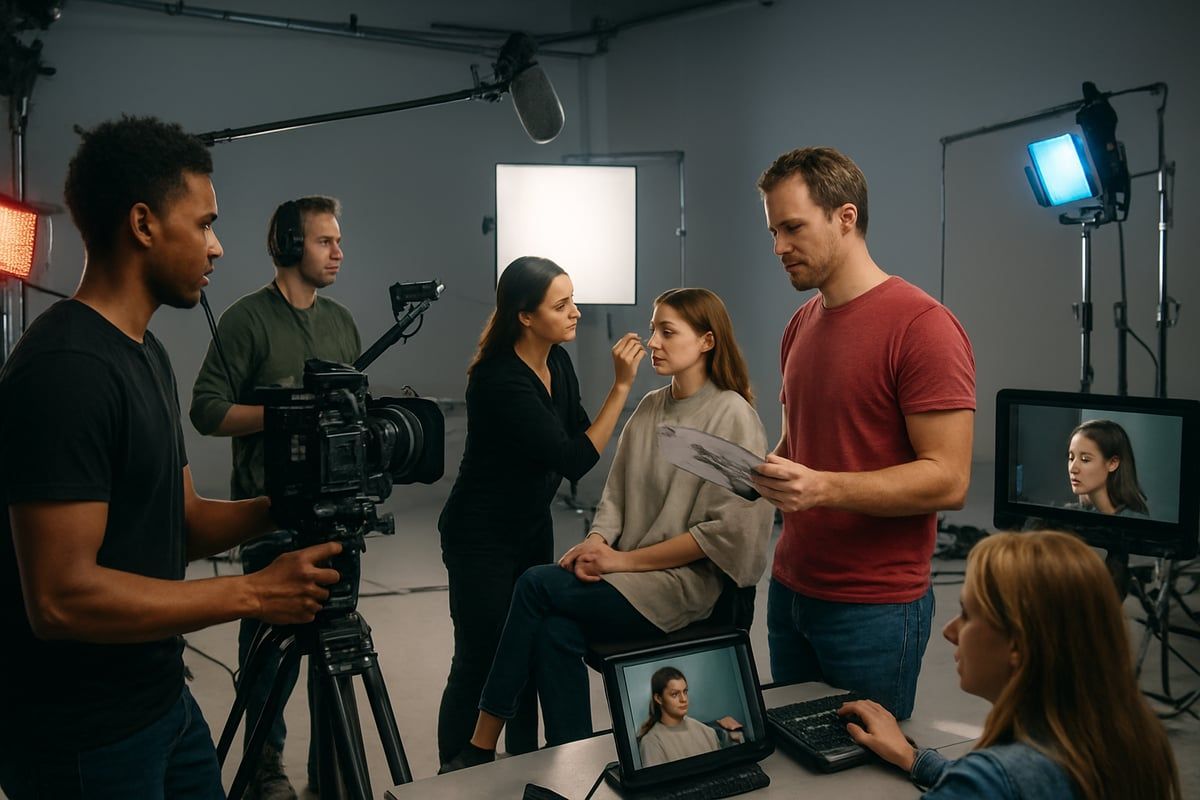
The complexity and scope of a project are primary drivers of video production pricing. For example, a simple talking head video requires minimal crew and basic editing, while a scripted TV commercial or animated explainer demands more resources.
Complex projects often involve:
- Larger crews (directors, camera operators, lighting)
- Advanced equipment (cinema cameras, drones)
- Extended timelines for pre-production and post-production
Animation, especially 3D or motion graphics, can significantly increase costs. Specialist animators may charge $250 to $2,500 per day, and adding visual effects can double or triple the base price. According to the video production cost breakdown, understanding your project’s scope ensures you budget accurately and avoid surprises.
Ultimately, matching complexity with goals helps control video production pricing and aligns the final result with your expectations.
Production Approach: In-House, Agency, Freelance, or AI
Your chosen production approach has a direct impact on video production pricing. In-house teams involve ongoing salaries, equipment investments (often $20,000 or more), and software licenses. This model suits companies with frequent video needs.
Agencies provide end-to-end service and creative direction, but may charge a premium for project management and strategy. Freelancers offer flexibility and can be cost-effective, but quality and reliability may vary.
AI video tools are transforming the industry. Platforms like Synthesia allow video creation for $20 to $30 per month, ideal for basic content or rapid production. Choosing the right approach ensures you get the best value and quality for your video production pricing needs.
Timeline and Turnaround Requirements
Project timelines play a significant role in video production pricing. If you need a rush delivery, expect to pay a premium—rush fees can increase costs by up to 50 percent.
Shorter timelines require more resources, overtime, and expedited logistics. Conversely, longer timelines or batch productions can lower the per-video cost, as resources are shared across multiple projects.
For example, a one-week turnaround may cost 20 to 30 percent more than a standard four-week schedule. Factoring timeline requirements into your planning ensures your video production pricing remains predictable and optimized.
Location, Travel, and Permitting
Where you shoot your video has a direct effect on video production pricing. On-location shoots often require travel, permits, and location rentals, adding both complexity and expense.
Studio shoots, while sometimes more expensive upfront, provide controlled environments and can reduce unpredictable costs. Location fees vary widely, from $500 per day for a simple setting to $5,000 or more for premium spaces.
It’s important to weigh the creative benefits of unique locations against the impact on your video production pricing and overall budget.
Talent, Crew, and Equipment
The size and expertise of your team, plus the equipment used, are major contributors to video production pricing. Hiring professional actors can range from $150 to $2,500 per day. Specialized crew members such as directors, cinematographers, and sound engineers also increase costs.
Renting high-end equipment like drones or high-speed cameras may add $100 to $1,500 per day. For smaller projects, hiring multi-skilled professionals can help streamline operations and reduce expenses, keeping video production pricing manageable.
Post-Production Demands
Post-production is a significant portion of video production pricing, often representing 30 to 40 percent of the total project cost. This phase includes editing, color grading, motion graphics, and sound design.
High-end post-production, especially for projects requiring advanced visual effects or animation, can extend timelines and increase budgets. Investing in quality post-production ensures your final video meets professional standards and delivers a strong return on investment for your video production pricing.
Video Production Pricing by Type and Style
Understanding video production pricing by type and style is crucial for effective budgeting and strategic planning in 2026. Every video project is unique, and costs can vary widely based on format, complexity, and production approach. Let's break down the most common video types and examine what you can expect to invest in each.
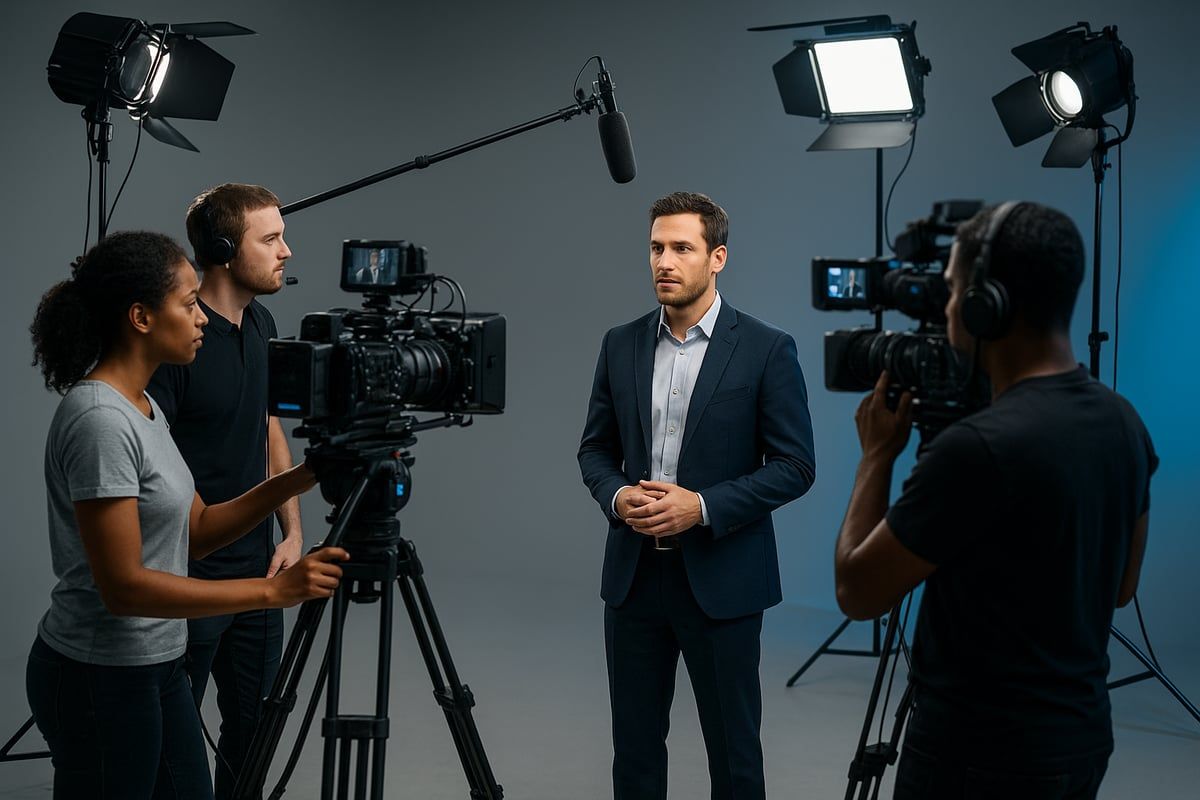
Explainer Videos, Commercials, and Brand Films
Explainer videos remain a staple for brands seeking to simplify complex ideas. In 2026, video production pricing for a 1-2 minute explainer typically ranges from $3,000 to $10,000, with custom animation or advanced graphics pushing costs higher. Commercials, especially for TV or national campaigns, start at $10,000 and can exceed $50,000 depending on production values, cast, and location needs. Brand films, designed for deep storytelling and emotional impact, often command budgets from $20,000 to $100,000 or more.
Several factors influence these numbers, including script development, talent, locations, and post-production quality. Many agencies now offer transparent video production pricing packages, helping clients understand exactly what is included at each tier. This clarity empowers brands to align their creative ambitions with realistic budgets.
Corporate, Social Media, and Training Videos
Corporate videos serve a range of functions, from executive messages to company overviews. Video production pricing for these projects typically falls between $5,000 and $20,000, with variations based on length, locations, and production complexity. Social media videos, optimized for platforms like Instagram or LinkedIn, are often shorter and produced in batches. Expect pricing from $1,000 to $5,000 per video, with discounts for multi-video packages.
Training videos are increasingly in demand for onboarding and education. Traditional production methods cost $2,000 to $8,000 per module, while the use of AI tools can bring costs down significantly for basic instructional content. Brands often prioritize efficiency and clarity in these formats, keeping production streamlined.
Animation, Motion Graphics, and 3D/VR
Animated content delivers high engagement and flexibility. Video production pricing for 2D animation generally ranges from $2,500 to $7,500 per minute, depending on design complexity and revision cycles. For 3D animation, budgets rise considerably, with costs from $5,000 to $20,000 per minute due to the specialized skills and software required.
Motion graphics specialists typically charge $250 to $1,000 per day, making this a cost-effective option for dynamic visual elements. VR and AR projects represent the premium end of the spectrum, reflecting their technical demands and unique production workflows. These immersive experiences command higher rates but can deliver standout results for innovative brands.
Case Example: Pricing Comparison Table
To help visualize the differences in video production pricing, here's a comparison table of average 2026 costs by style:
| Video Type | Typical Cost Range | Notes |
|---|---|---|
| Explainer (1-2 min) | $3,000 - $10,000 | Higher for custom animation |
| TV Commercial | $10,000 - $50,000+ | National campaigns, advanced production values |
| Brand Film | $20,000 - $100,000+ | Long-form, high-impact storytelling |
| Corporate Video | $5,000 - $20,000 | Varies by length and locations |
| Social Media Video | $1,000 - $5,000 | Batch discounts common |
| Training Video | $2,000 - $8,000 | AI tools can reduce costs |
| 2D Animation | $2,500 - $7,500/min | Design complexity affects pricing |
| 3D Animation | $5,000 - $20,000+/min | Premium for advanced visuals |
| Motion Graphics | $250 - $1,000/day | Specialist rates |
| VR/AR Video | Premium pricing | Reflects technical complexity |
This table underscores the broad spectrum of video production pricing across formats. When planning your next project, compare options side by side to ensure your investment matches your goals and desired impact.
Step-By-Step Guide to Budgeting for Video Production
Budgeting for your next video project does not have to be overwhelming. With a clear process, you can confidently navigate video production pricing, align your spend with your business goals, and maximize value at every stage. Here is a proven step-by-step approach to ensure your investment delivers results.

Step 1: Define Your Video Goals and Audience
Start by clarifying exactly what you want to achieve with your video. Are you aiming for brand awareness, lead generation, training, or recruitment? Identifying your primary objective guides every decision, directly impacting your video production pricing.
Next, define your target audience. Consider their demographics, pain points, and preferred platforms. For example, a product demo for B2B SaaS will differ in both style and budget from a recruitment video targeting recent graduates.
This focused approach ensures your video production pricing reflects the true scope and avoids spending on elements that do not serve your goals. Outline measurable outcomes at this stage so you can later evaluate ROI.
Step 2: Decide on Video Type and Style
With your objectives set, choose the video style that best fits your message. Options include live-action, animation, motion graphics, or a hybrid approach. Each type has unique production requirements, which influence video production pricing.
Consider where the video will be distributed. Will it appear on TV, YouTube, Instagram, or LinkedIn? Platform specifications such as length, aspect ratio, and format may affect style and budget.
For instance, a cinematic brand film will require higher investment than a short-form vertical video for social channels. Matching style to purpose helps you control video production pricing while ensuring the final product is effective.
Step 3: Scope Out Required Resources
Create a detailed list of everything your project needs. This includes crew size, talent, locations, equipment, and post-production services. The more complex the shoot, the higher the video production pricing will be.
Decide if you will use stock assets or commission custom work. Stock footage and music can save $80 to $300 per piece, offering a significant reduction in costs for certain projects.
By mapping out your resource requirements early, you gain a realistic view of video production pricing and can identify areas where you might optimize spending.
Step 4: Solicit Quotes and Compare Providers
Reach out to agencies, freelancers, and video platforms for detailed proposals. Request itemized quotes that clearly list inclusions, timelines, and potential hidden fees. This transparency is crucial for accurate video production pricing.
Compare not just costs, but also the scope of services, experience, and flexibility each provider offers. For more in-depth strategies, consider this guide on budgeting for video production to ensure your process is thorough and effective.
Careful comparison helps you select the best partner and avoid budget surprises later in the project.
Step 5: Plan for Distribution and ROI Tracking
Do not overlook the importance of allocating budget for distribution and performance measurement. Reserve 10 to 20 percent of your total spend for paid media, platform amplification, or analytics tools. This investment ensures your video reaches the right audience and maximizes returns.
Set up tracking systems to monitor engagement, conversions, and other KPIs. Videos with clear ROI measurement consistently deliver more value, helping you refine future video production pricing and strategies.
A well-structured budget includes both production and promotion, ensuring your investment delivers measurable business results.
How to Maximize Value and Save on Video Production Costs
Maximizing your investment in video content requires a strategic approach to video production pricing. Brands that proactively manage costs at every stage can achieve high-quality results while staying on budget. The following methods will help you get the most value from your next video project.
Leverage Batch Production and Content Repurposing
One of the most effective ways to reduce video production pricing is to plan for batch production. Shooting multiple videos in a single session minimizes setup time, crew expenses, and location fees.
By capturing a variety of scenes, you can repurpose footage for different platforms, such as social media, websites, and paid ads. For example, a single brand film can be edited into shorter ads, product teasers, and behind-the-scenes clips. This approach stretches your budget and extends the life of your content across campaigns.
Utilize AI and Automation Tools
AI-driven video tools are transforming video production pricing for businesses of all sizes. Platforms like Synthesia allow you to generate training or internal communication videos quickly and affordably, often at a fraction of traditional costs.
Automation can streamline editing, translation, and even voiceovers, reducing both turnaround times and labor fees. Many companies have found that leveraging AI tools can cut production expenses by over 50 percent for basic projects, freeing up budget for higher-impact content.
Streamline Pre-Production and Planning
Investing time in detailed pre-production planning has a direct impact on video production pricing. Clear scripting, storyboarding, and shot lists help avoid costly mistakes and unnecessary revisions.
Efficient pre-production also reduces the number of required shoot days and post-production hours. In animation projects, for example, thorough storyboarding can save both time and money. Careful planning ensures every dollar contributes to the final product’s effectiveness.
Choose the Right Talent and Crew Size
Selecting the right team is essential for smart video production pricing. For smaller-scale videos, hiring multi-skilled professionals can eliminate the need for an oversized crew.
When advanced equipment is necessary, consider whether it is more cost-effective to rent or to select a provider with in-house resources. For a breakdown of equipment costs and considerations, review this guide to video production equipment. Matching your crew and talent to the project’s requirements ensures efficiency without sacrificing quality.
Negotiate Transparent Pricing and Track Performance
Request detailed, itemized quotes from all vendors to avoid hidden fees in your video production pricing. Ask about package deals and volume discounts, especially when producing multiple assets.
To ensure your investment delivers results, set up analytics to track each video’s performance. Brands that monitor key metrics consistently achieve higher ROI. For more on the long-term benefits of professional video, see the benefits of corporate video production.
Professional Production vs. DIY and AI Video Creation: Pros, Cons, and ROI
Choosing between professional video production, DIY, or AI tools is a critical decision for any brand. With video production pricing varying widely, understanding the differences in approach helps ensure your investment aligns with your goals.
When to Choose Professional Production
Professional video production is ideal for high-impact campaigns, such as brand launches or national commercials. These projects demand top-tier quality, creative direction, and technical expertise. Agencies manage the entire process, from concept to final delivery, ensuring consistency and polish.
- Complex storytelling and advanced visuals
- Large-scale events or multi-platform campaigns
- Projects where reputation and brand perception are critical
For these scenarios, video production pricing reflects the value of experience, specialized equipment, and comprehensive project management. Investing in professionals helps protect your brand image and delivers a finished product that stands out in a crowded market.
When DIY or AI Is the Better Fit
DIY and AI-powered video creation are best suited for internal communications, quick-turn social media updates, or training content. These approaches offer significant savings on video production pricing, with costs often 80% lower than agency work.
- Fast production for frequent content needs
- Lower budgets for non-customer-facing videos
- Basic visuals or template-driven formats
AI platforms automate editing and voiceovers, enabling rapid content creation with minimal technical skill. However, the trade-off is limited customization and less creative control, which may not suit every brand's needs.
Hidden Costs and Common Pitfalls
It is easy to underestimate the hidden costs in both professional and DIY video production pricing. For DIY, overlooked expenses include time spent learning software, equipment upgrades, and reshoots due to inexperience. In-house teams require ongoing training and maintenance.
Professional projects can also surprise you with fees for revisions, overtime, or post-production extras. Always request itemized quotes and clarify what is included to avoid unexpected charges.
- Budget for revisions and additional edits
- Factor in equipment rental or purchase
- Plan for project management and coordination
Understanding these pitfalls allows you to make more accurate comparisons and prevents budget overruns.
ROI Considerations
The ultimate measure of your video investment is ROI. High-quality, professionally produced videos often yield stronger brand impact, higher lead generation, and improved engagement. Poorly executed videos, by contrast, can erode trust and waste resources.
According to Video production ROI statistics, brands that track ROI see up to 335% higher recall and conversion rates. When considering video production pricing, focus on long-term value, not just upfront cost. The right approach depends on your objectives, audience, and resources.
After exploring the complexities of video production pricing in 2026, you now have the insights you need to make confident, ROI-focused decisions for your brand. If you’re ready to translate your goals into a high-performing video strategy—backed by clear pricing and measurable results—let’s take the next step together. At Viva Media, we help businesses throughout Toronto turn vision into impact with transparent, expert-led production. Curious how our approach can fit your objectives and budget?
Book a strategy session
and discover the difference a results-driven partner can make.