
Navigating the world of video content in digital marketing can be overwhelming, especially when the video production cost in 2026 seems more unpredictable than ever.
Many businesses recognize that high-impact videos are essential for growth, yet the lack of clarity around pricing leaves teams unsure how to budget or maximize ROI.
This guide is designed to demystify video production cost by providing you with up-to-date insights, transparent data, and actionable steps for planning your next project.
Inside, you will find a breakdown of key cost factors, emerging trends, detailed pricing ranges, types of videos and their costs, proven cost-saving strategies, and tips for selecting the right production partner.
Use this resource to plan smarter, set realistic expectations, and avoid costly mistakes as you invest in professional video content for your brand.
Key Factors Influencing Video Production Costs in 2026
Understanding what drives video production cost in 2026 is essential for any business planning video content. Several interconnected factors shape pricing, from technology advances to human expertise, production complexity, content duration, and market conditions. Let us break down each key factor to help you budget with confidence.
Evolving Production Models and Technology
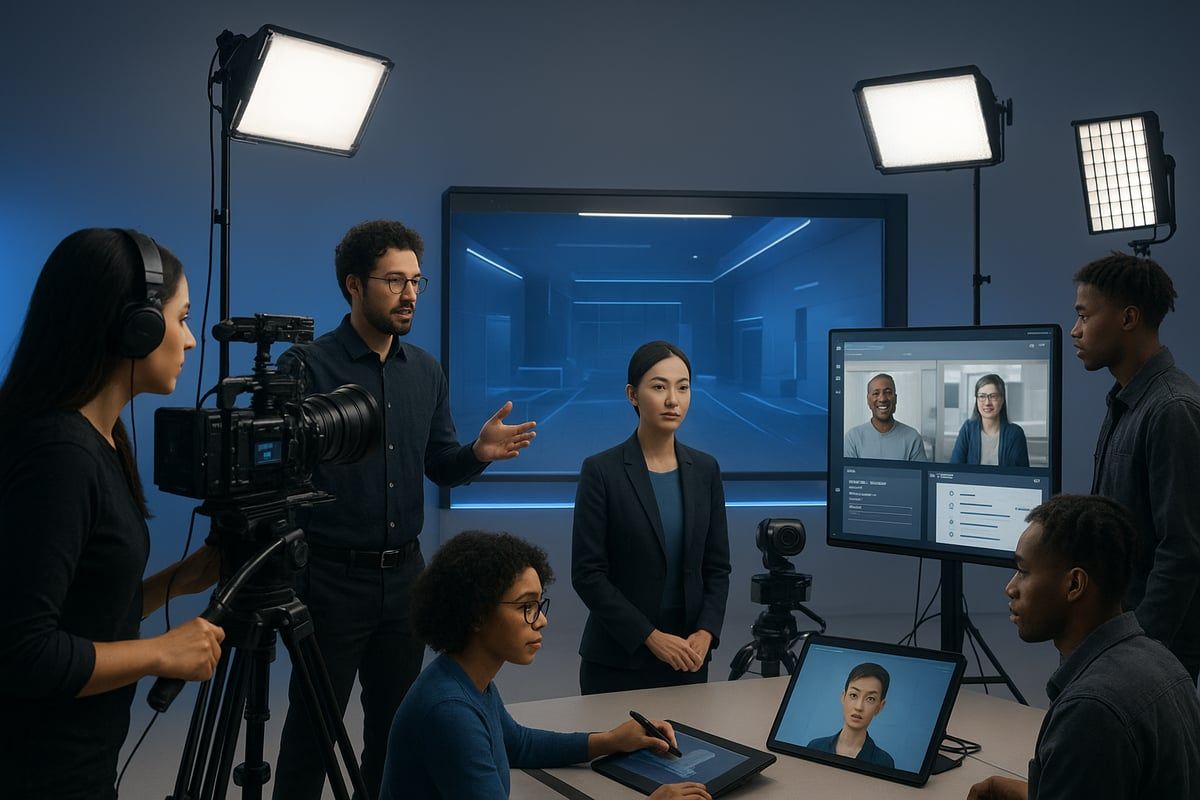
Technology is transforming video production cost structures faster than ever. AI-powered tools, automation, and virtual production are streamlining workflows, making some tasks faster and more affordable. For example, AI avatars can significantly reduce talent expenses, while cloud-based collaboration supports remote teams, cutting travel and location fees.
Traditional production relied on large crews and physical sets. Now, hybrid and AI-driven processes can replace or supplement human roles. According to Synthesia, AI video creation platforms now serve over one million users. However, while AI lowers costs in areas like talent and editing, it can also increase expenses for software licensing and advanced post-production.
For a detailed comparison of AI-driven and manual production pricing, see this AI vs. Manual Video Production Costs resource.
Human Resources and Specialized Talent
People remain a crucial driver of video production cost. The size and expertise of your crew will directly affect your budget. A commercial shoot might require a director, director of photography, camera operators, editors, animators, and voice talent. Rates vary widely: camera crews can range from $50 to $300 per hour, while actors might command $150 to $2,500 per day.
Hiring highly experienced teams or specialists, such as VFX artists or 3D animators, typically comes at a premium. Freelancers and in-house staff may reduce costs, but often at the expense of consistency or quality. Choosing the right mix of talent ensures you get maximum value for your investment.
Production Complexity and Style
The complexity of your video directly impacts video production cost. Live-action shoots with multiple locations require more logistics, equipment, and personnel, increasing expenses. In contrast, animation, while sometimes more affordable, can become costly if intricate 3D or motion graphics are involved.
Here is a quick comparison:
| Style | Typical Cost (per day/minute) |
|---|---|
| Animation | $250–$2,500 per day |
| Live-action | $1,000+ per finished minute |
Set design, props, and on-site needs also add to the total. Hybrid projects, combining animation and live-action, often require specialized coordination, further affecting your budget.
Duration, Deliverables, and Usage Rights
How long your video is, and how many deliverables you need, are major video production cost drivers. A 30-second ad typically takes less time to script, film, and edit than a three-minute explainer. However, multiple versions—such as full-length edits, social cutdowns, and vertical formats—add to the workload.
Licensing fees for music, stock footage, and on-screen talent can also accumulate, especially if you need broad usage rights. More assets and more distribution channels mean higher total costs, so clarify your needs early to avoid surprises.
Market, Location, and Turnaround Time
Where and how you produce your video influences video production cost more than many realize. Regional price differences are significant: producing in Toronto may be different from hiring a remote team or a US-based agency. Location rentals can range from modest fees to $1,500 per day for premium studios.
Rush projects often incur additional charges, and planning ahead can help you avoid last-minute premiums. For ongoing needs, hiring an in-house videographer (around $70,000 per year plus equipment) might make sense, but equipment investments can quickly add up. Selecting the right market and giving your team ample time can result in meaningful savings.
Video Production Cost Breakdown: Typical Ranges & What’s Included
Understanding the full scope of video production cost in 2026 is essential for effective budgeting. Each stage of the process brings its own set of expenses, variables, and opportunities for savings. Let’s break down what you can expect at each step, so you can plan wisely and avoid surprises.
Pre-Production Costs
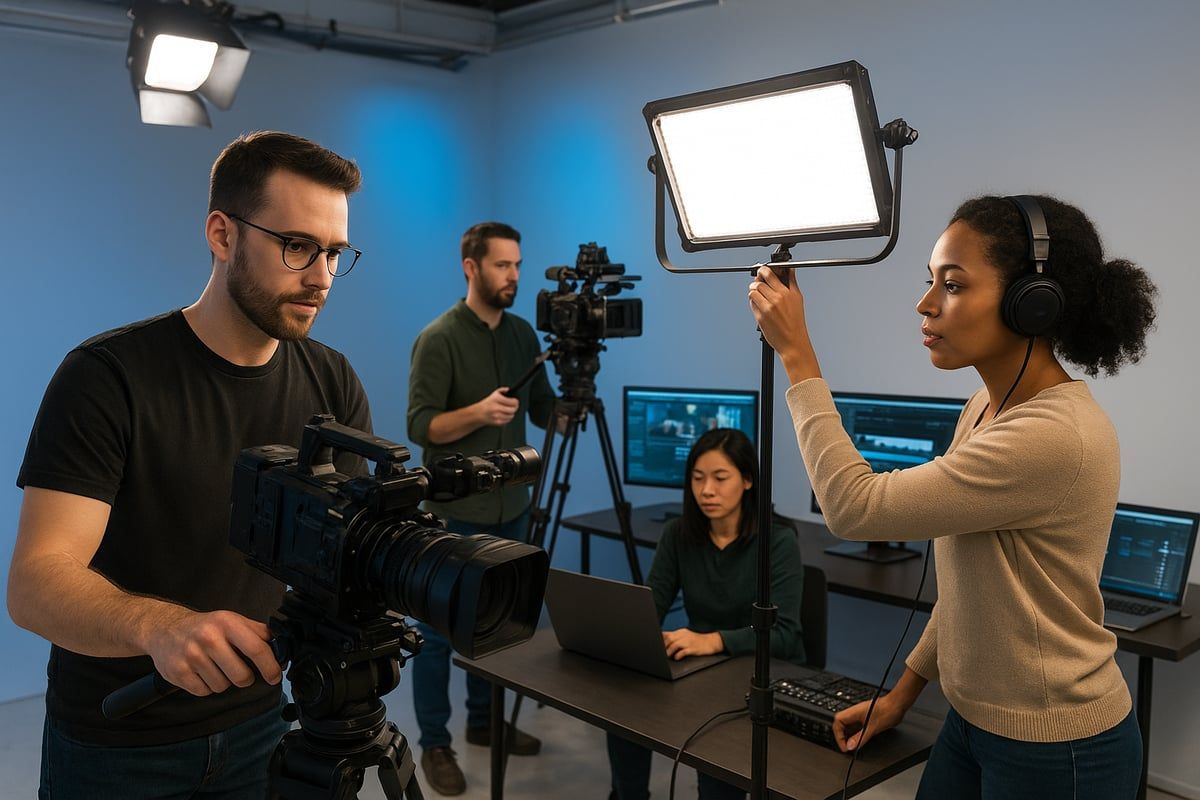
The pre-production phase sets the stage for a successful shoot. It includes scripting, storyboarding, creative concept development, casting, location scouting, and securing permits. These tasks ensure your vision is well defined before cameras roll.
For example, scriptwriting alone can range from $500 to $3,000 per project, depending on complexity and expertise. Investing in thorough pre-production can significantly reduce costly changes later, making it a crucial component of overall video production cost.
A detailed pre-production plan helps keep the project on track and your budget in check.
Production Costs
Production covers all the on-set activities, including the crew’s day rates, equipment rental, set design, and talent fees. Whether you shoot in a studio or on location, costs will vary.
For instance, a camera operator may charge $250 to $1,500 per day, while equipment rentals can add another $100 to $1,500 daily. Live-action projects typically start at $3,000 and can exceed $10,000 depending on scale.
Selecting the right team and equipment is vital, as these choices have a direct impact on your total video production cost.
Post-Production Costs
After filming, the footage moves into post-production. This stage includes video editing, sound design, color grading, animation, and motion graphics. It’s where your raw content is transformed into a polished final product.
Editing rates often fall between $30 and $150 per hour. Motion graphics and animation can range from $250 to $1,000 per day. If your project requires advanced animation or VFX, post-production costs may double.
Managing feedback and revision rounds efficiently is essential to control the video production cost during this phase.
Deliverables and Asset Creation
Today’s brands need more than just a single video. Deliverables often include the main video, shorter cutdowns, and platform-specific edits such as vertical or square formats. Subtitling, localization, and accessibility compliance are also standard in 2026.
For example, creating extra social cutdowns can add 10 to 20 percent to your total video production cost. Multi-format delivery ensures your content performs across all channels, maximizing the value of each asset.
Planning for these deliverables upfront helps avoid last-minute expenses.
Hidden and Variable Costs
Beyond the obvious, hidden and variable expenses can affect your video production cost. These include travel, meals, insurance, contingency budgets, and licensing for music, stock footage, or special software.
Stock music alone might cost $80 to $300 per piece. Transparent quotes should always itemize these charges to prevent unwelcome surprises.
Building a small contingency fund into your budget is a smart way to handle unexpected costs.
Pricing Models: Project, Hourly, Retainer
Video production cost structures vary widely. Common pricing models include fixed project rates, hourly billing, and monthly retainers for ongoing content needs.
Project-based pricing offers clarity when deliverables are well defined. Hourly rates—often $100 to $149 for traditional agencies—may suit smaller or evolving projects. Retainers are ideal for brands needing regular video content.
To explore actual cost ranges and what’s included, review Video Production Pricing and Packages for transparent breakdowns and package details.
Choosing the right pricing model ensures alignment with your goals and budget.
Viva Media: Toronto’s Strategic Video Partner
Viva Media specializes in delivering high performance video content for brands seeking measurable results. Their services cover commercial, corporate, animation, and social media video production.
With a focus on strategic discovery, creative development, and platform optimization, Viva Media is trusted by top brands like Air Canada, TD, Nestlé, and P&G. They offer transparent, ROI-focused pricing and a results-driven approach.
For businesses in Toronto and the GTA, Viva Media provides end-to-end video solutions that keep your video production cost predictable and your marketing aligned with business objectives.
Types of Videos & Average Costs in 2026
Choosing the right video type is essential for aligning your goals, audience, and budget. Each format demands unique resources, timelines, and expertise, all of which impact your overall video production cost. In 2026, the landscape offers a range of options, from cinematic commercials to nimble, AI-driven training modules.
Commercial & Brand Videos
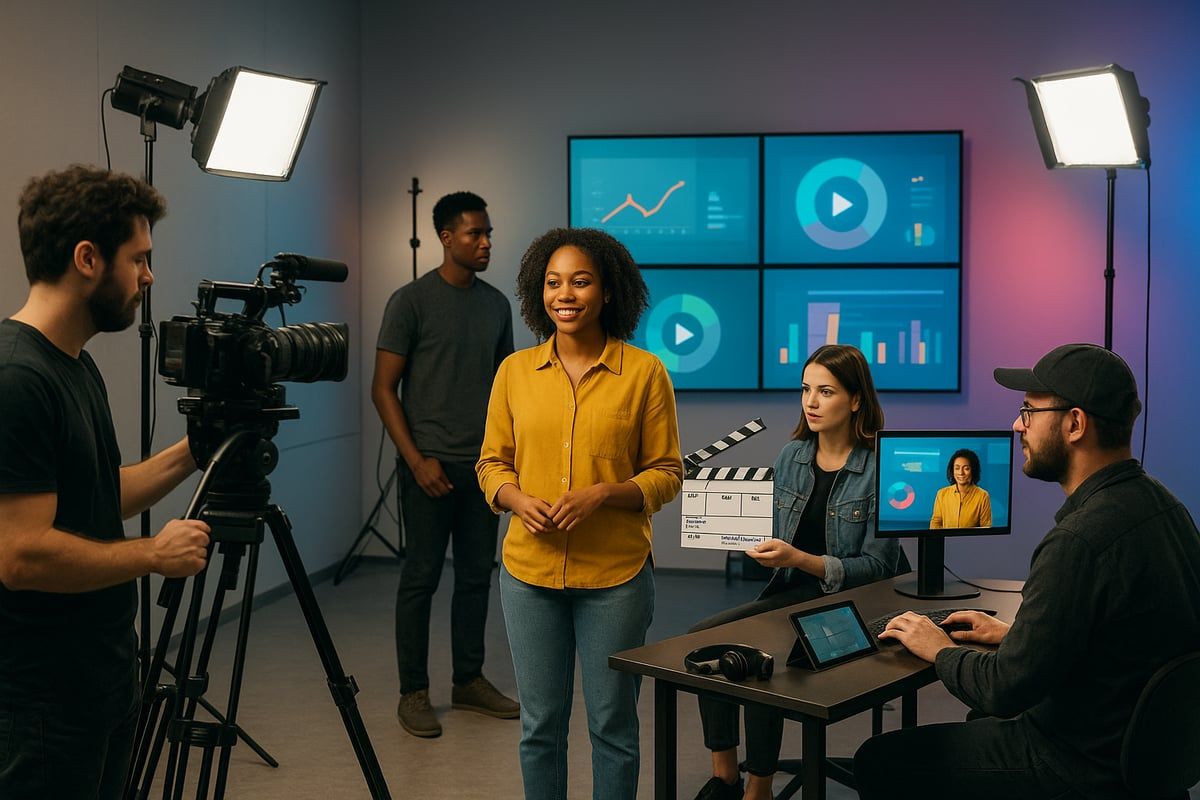
Commercial and brand videos set the bar for high-impact visual storytelling. These productions often involve larger crews, multiple locations, and advanced equipment, which significantly influences the video production cost.
Typical budgets range from $10,000 to $50,000 or more per project. Examples include national TV commercials, brand awareness campaigns, and launch films. While the investment is greater, these videos deliver the strongest impact for reach and brand perception.
- Large-scale crews and equipment
- Extensive pre-production and planning
- High creative and technical standards
For companies prioritizing market presence, the premium video production cost is justified by the potential ROI and visibility.
Corporate & Explainer Videos
Corporate and explainer videos are designed to communicate internal messages, train employees, or simplify complex topics for B2B audiences. The video production cost here typically ranges from $3,000 to $15,000, depending on length and animation requirements.
For instance, a company story or product demo might require live-action, while a technical explainer could leverage animation for clarity. Animation can often lower the video production cost by reducing location and crew needs. For a deeper dive into process and budgeting, see this Guide to Corporate Video Production.
- Ideal for onboarding, training, and product demos
- Flexible formats: live-action or animated
- Streamlined approach reduces overall costs
This versatility makes corporate videos a cost-effective choice for many organizations.
Social Media & Short-Form Content
Social media and short-form content are built for agility and volume. These videos are often produced in batches, with the video production cost per piece ranging from $1,000 to $5,000, or less when produced at scale.
Examples include Instagram Reels, TikTok clips, and LinkedIn snippets. Multi-format delivery is now standard, ensuring content is optimized for every platform.
- Fast turnaround and high frequency
- Platform-specific aspect ratios
- Lower individual costs, higher batch efficiency
The streamlined process makes the video production cost manageable for ongoing campaigns and brand engagement.
Animated & Motion Graphics Videos
Animated and motion graphics videos excel at explaining products, visualizing data, or engaging remote audiences. The video production cost for these projects ranges from $2,500 to $20,000 or more, depending on complexity and length.
Animation is particularly cost-effective for global brands or remote teams, as it eliminates travel and location expenses. These videos are highly scalable, and can be localized or updated with minimal extra investment.
- 2D/3D animation, infographics, and product walkthroughs
- No need for physical sets or crews
- Scalable for multiple languages and audiences
Animation offers flexibility and control, making it a strong choice for companies seeking efficiency in their video production cost.
Training, Educational & Internal Videos
Training, educational, and internal videos are vital for learning and development, onboarding, and compliance. The video production cost typically falls between $2,000 and $10,000, with AI tools increasingly used to drive down expenses.
For example, AI avatars and automated localization now enable the rapid creation of large-scale training modules. This innovation allows companies to manage video production cost effectively while ensuring consistent messaging.
- AI-driven content for scalability
- Focus on clarity and accessibility
- Efficient for repeated or large-scale training needs
These videos deliver long-term value, making the initial video production cost a smart investment for employee development.
Video Types and Cost Summary
| Video Type | Typical Cost Range | Key Features |
|---|---|---|
| Commercial & Brand | $10,000–$50,000+ | High production value |
| Corporate & Explainer | $3,000–$15,000 | Flexible, informative |
| Social Media & Short-Form | $1,000–$5,000 | Fast, platform-specific |
| Animated & Motion Graphics | $2,500–$20,000+ | Scalable, versatile |
| Training, Educational & Internal | $2,000–$10,000 | Efficient, AI-driven |
Accurately estimating your video production cost starts with understanding which video type fits your goals and resources. With clear expectations, you can plan a strategy that delivers both quality and value.
How to Save on Video Production Costs: Strategies for 2026
Unlocking the best value from your video production cost in 2026 requires a blend of modern tools, smart planning, and strategic partnerships. Businesses are discovering new ways to streamline spending without sacrificing quality. Let’s explore practical strategies for maximizing your investment.

Embracing AI and Automation
AI-driven solutions are transforming the landscape of video production cost. By automating tasks like scriptwriting, editing, and even on-screen talent with avatars, companies can produce high-quality videos at scale. For example, platforms now offer over 230 avatars in 140+ languages, enabling rapid localization and content generation.
Adobe documents transcript-based video editing, which lets editors build and revise sequences through transcribed dialogue. Ask which tasks a proposed workflow covers and what still needs editorial review. Use the supplied-footage editing guide to document the material, versions and finishing work before comparing estimates.
With these tools, you can allocate more budget to creativity and distribution, ensuring your message stands out.
Planning and Pre-Production Optimization
Effective planning is the cornerstone of controlling video production cost. Detailed briefs, thorough storyboards, and clear approval processes help prevent expensive last-minute changes. By outlining your vision early, you reduce miscommunication and revisions.
Batch shooting is another way to optimize resources. For example, capturing multiple social assets in one session maximizes your crew and location investment. Repurposing footage for different platforms further stretches your budget.
Good planning not only saves money but also ensures that each dollar invested delivers the intended impact. The more prepared you are before the cameras roll, the less likely you are to encounter budget overruns.
Choosing the Right Production Partner
Selecting the right production partner can make a significant difference in your overall video production cost. Whether you choose an agency, freelancer, or in-house team, transparency and alignment with your business goals are essential.
Request itemized quotes and compare offerings to avoid hidden fees. Some agencies may charge higher rates due to overhead, while specialized partners can offer more tailored solutions. For guidance on what to look for and how to budget effectively, consult this resource on How to Hire a Video Production Company.
A strategic partner will align their creative process with your objectives, ensuring maximum ROI.
Leveraging Remote and Hybrid Production
Remote and hybrid production models are gaining traction as ways to reduce video production cost. Virtual sets, cloud collaboration, and remote shooting minimize the need for travel, location rentals, and on-site logistics.
Many production companies now offer remote packages, with rates as low as $250 to $500 per finished minute. This approach also enables you to access global talent and expertise without inflating costs.
By leveraging these models, you can maintain high production standards while keeping budgets in check.
Maximizing ROI with Multi-Platform Distribution
To get the most from your video production cost, ensure your deliverables are optimized for every platform. Request edits in various formats, such as vertical, square, and horizontal, so you can use content across social, web, and internal channels.
Creating cutdowns and teasers from your main footage increases the value of each project. For example, a brand video can generate multiple social posts, training clips, and ads. This approach amplifies your reach and delivers better results per dollar spent.
Strategic distribution ensures your investment works harder, driving measurable outcomes across all channels.
Step-by-Step Guide: Budgeting and Managing Your Video Project in 2026
Planning a successful video project in 2026 requires a structured approach. By following these steps, you can control your video production cost while ensuring your content aligns with business objectives. Here is a clear, actionable framework for managing your project from start to finish.
Step 1: Define Your Goals and Audience
Begin by clarifying the purpose of your video. Are you aiming for brand awareness, lead generation, or internal training? Aligning your objectives with your target audience is the foundation for cost-effective production.
Identify both primary and secondary audiences. For example, a product launch video targets new customers, while a training video addresses employees. This clarity determines the type, style, and scale of your project, directly impacting your video production cost.
List your key objectives and desired outcomes. This step ensures that creative choices and budget allocations stay aligned from day one.
Step 2: Choose the Right Video Type and Style
Next, match your video format to your goals. Commercials, explainers, social content, and animations each have unique requirements. Short, high-impact ads often need more resources per second than longer, informative pieces.
Consider factors like length, complexity, and intended platforms. For example, a 30-second commercial may require multiple locations and higher production values, increasing your video production cost compared to a simple explainer.
Outline the visual style and tone early. This helps your team estimate crew, equipment, and post-production needs accurately.
Step 3: Select Your Production Approach
Evaluate whether you will use an agency, freelancers, in-house staff, or AI-driven solutions. Each approach has pros and cons for expertise, scalability, and cost control. Agencies provide end-to-end services but may have higher overhead, while freelancers offer flexibility for one-off projects.
For ongoing needs, building an internal team can stabilize your video production cost. If you are unsure how to choose, consult resources like Key Factors for Hiring Video Production to understand what to look for in a partner.
Compare quotes, request itemized pricing, and weigh value against your objectives.
Step 4: Build a Detailed Budget and Timeline
Create a comprehensive budget that covers every aspect of your project: pre-production, production, post-production, deliverables, and contingency. Itemizing costs provides transparency and prevents surprises.
Set clear milestones for approvals and feedback. For example, allocate 10 to 20 percent of your video production cost as a buffer for unexpected expenses.
Use tables or spreadsheets to visualize your spending and keep the project on track. This approach helps prevent scope creep and ensures timely delivery.
Step 5: Manage Production and Communication
Assign a dedicated project manager or point of contact to oversee the process. Use cloud-based platforms for sharing feedback, tracking revisions, and maintaining open communication between all stakeholders.
Regular check-ins keep the project aligned with your budget and timeline. Prompt responses to questions or issues help avoid delays and extra video production cost.
Document decisions and approvals. This organized approach keeps everyone accountable and minimizes misunderstandings.
Step 6: Review, Optimize, and Repurpose
After launch, analyze performance metrics to assess ROI. Identify which assets performed best and consider how existing footage can be repurposed for new content, such as social snippets or training modules.
Leveraging AI tools can streamline edits, translations, and localization, further controlling your video production cost. For insights into how AI is reshaping media budgets, see AI's Impact on Media Production Costs.
Continuous optimization ensures you extract maximum value from every project, supporting both immediate and long-term business goals.
Now that you have a clear sense of what drives video production costs in 2026 and how to plan effectively, you’re already ahead of the curve. Whether you’re aiming for a high-impact commercial or a series of ROI-focused social videos, the right strategy and partner can make all the difference. If you’re ready to translate these insights into results for your business, let’s connect and discuss your specific needs. Viva Media specializes in crafting video content tailored to your goals, budget, and audience. Take the first step and Book a strategy session to start building your video roadmap with confidence.