
Creating compelling video for project deliverables requires strategic planning, technical expertise, and a clear understanding of business objectives. Whether you're producing corporate communications, marketing campaigns, or internal training materials, the right video production approach can transform standard project deliverables into powerful business assets. Modern organizations increasingly recognize that professional video content drives engagement, clarifies complex concepts, and generates measurable returns on investment. Understanding how to integrate video seamlessly into your project workflow ensures maximum impact and efficiency.
Strategic Planning for Project Video Content
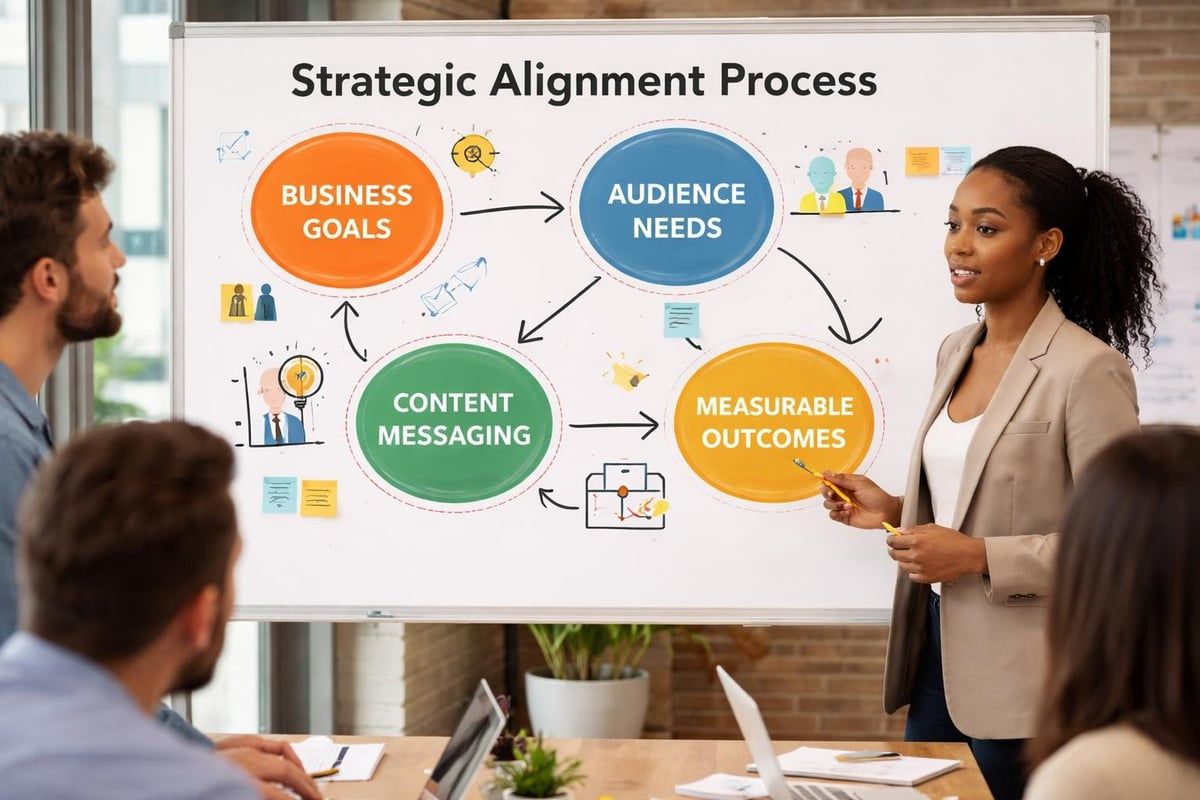
Before cameras start rolling, successful video for project initiatives begins with comprehensive strategic planning. This foundational phase determines everything from budget allocation to creative direction, ensuring your video content aligns perfectly with broader business objectives.
Defining Clear Project Objectives
Every effective video for project creation starts with crystal-clear goals. Defining specific, measurable objectives guides every subsequent decision throughout the production process. Are you aiming to increase brand awareness by 30 percent? Drive lead generation through targeted campaigns? Improve employee training retention rates?
Your objectives should align with broader organizational priorities while remaining specific enough to measure success. Consider these essential questions:
- What business problem does this video solve?
- Who comprises your target audience, and what motivates them?
- What action should viewers take after watching?
- How will you measure success and ROI?
Understanding project management fundamentals helps structure your video initiatives within established frameworks, ensuring accountability and clear deliverables throughout the production timeline.
Budget Development and Resource Allocation
Financial planning represents a critical component when producing video for project deliverables. Professional video production requires investment in equipment, talent, post-production, and distribution channels. Creating a realistic budget prevents costly mid-project adjustments and ensures quality standards remain consistent.
| Budget Category | Typical Allocation | Key Considerations |
|---|---|---|
| Pre-Production | 15-20% | Scripting, storyboarding, location scouting |
| Production | 30-40% | Crew, equipment, talent, locations |
| Post-Production | 25-35% | Editing, sound design, color grading, graphics |
| Distribution | 10-15% | Platform fees, promotion, optimization |
When working with a video production company, transparent budget discussions upfront prevent misunderstandings and establish realistic expectations for deliverable quality.
Production Workflow Management
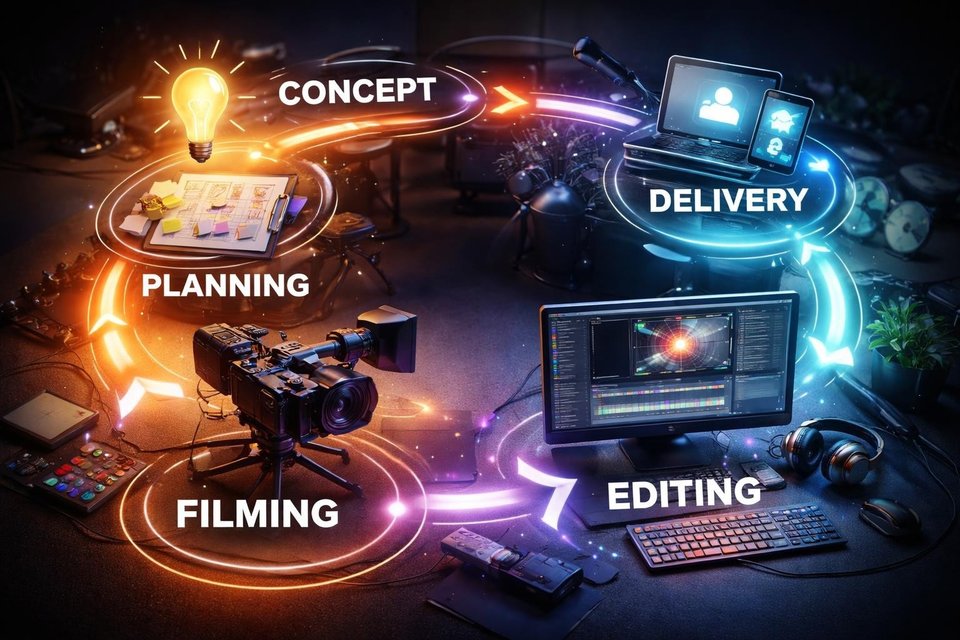
Managing the production workflow efficiently separates successful video for project initiatives from those that miss deadlines and exceed budgets. Implementing structured processes ensures smooth collaboration among stakeholders while maintaining creative excellence.
Pre-Production Excellence
Pre-production planning dramatically influences your final video quality and production efficiency. This phase encompasses scriptwriting, storyboard development, casting decisions, and logistical coordination. Investing adequate time here prevents costly production delays and revision cycles.
The creative brief serves as your project's north star, documenting:
- Project scope and deliverables - Specific video formats, lengths, and versions required
- Target audience profiles - Demographic details, pain points, and viewing behaviors
- Key messaging frameworks - Core themes, brand voice, and call-to-action elements
- Technical specifications - Aspect ratios, resolution requirements, platform considerations
- Timeline milestones - Critical dates for approvals, filming, and delivery
Location scouting, talent selection, and equipment preparation all happen during pre-production. This groundwork ensures filming days run smoothly without unexpected complications derailing your schedule.
Efficient Production Execution
Once pre-production wraps, the filming phase brings your video for project vision to life. Professional execution during production requires coordination among multiple team members, from directors and cinematographers to sound engineers and lighting technicians.
Successful production days follow structured protocols:
- Morning briefings align the entire crew on daily objectives
- Shot lists ensure comprehensive coverage without wasting time
- Continuous communication prevents misunderstandings
- Regular playback reviews catch issues before moving to new setups
- Backup systems protect against data loss or equipment failure
Exploring various task management tools helps production teams stay organized, track progress, and communicate effectively throughout filming schedules.
Post-Production Optimization
Post-production transforms raw footage into polished, professional video for project deliverables that captivate audiences and drive results. This phase demands equal attention to technical precision and creative storytelling.
Editing and Assembly Strategies
The editing process shapes narrative flow, pacing, and emotional impact. Strategic editing decisions determine whether your video holds viewer attention or loses engagement within the first few seconds. Professional editors balance multiple considerations simultaneously, including story structure, brand consistency, and technical specifications.
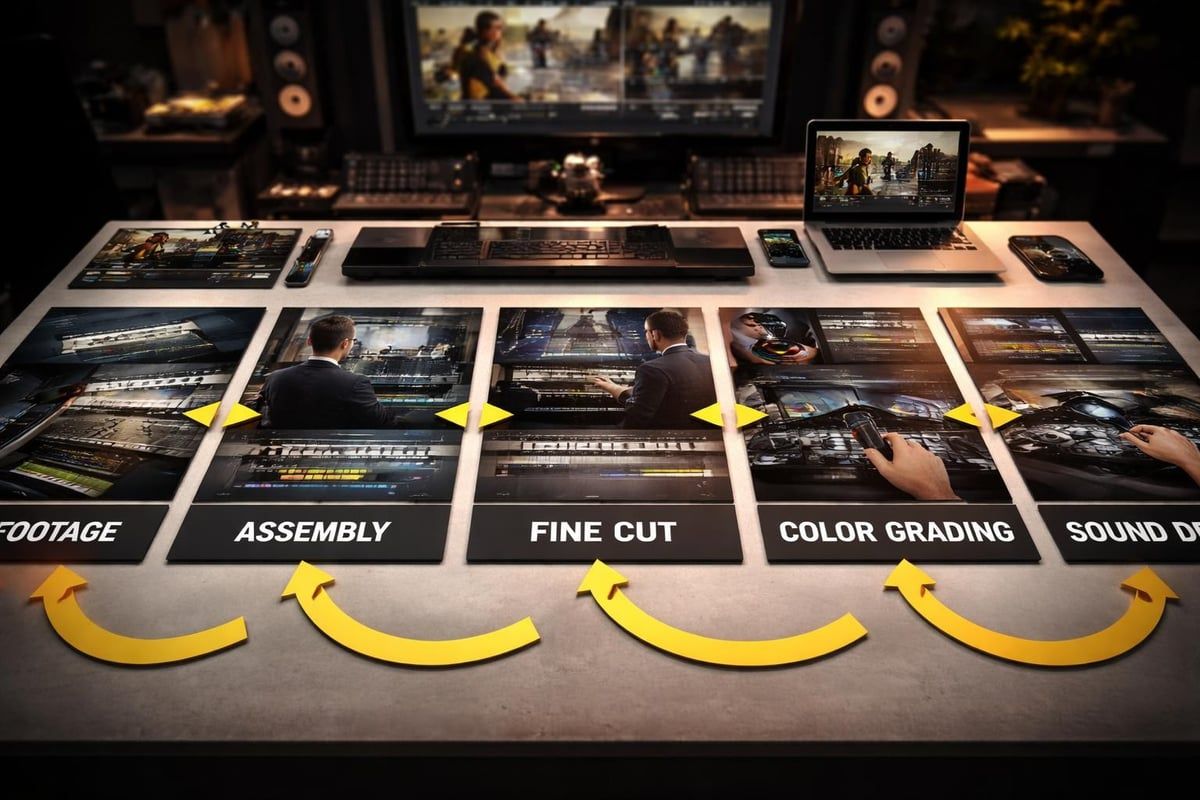
Modern editing workflows typically progress through distinct phases:
- Assembly edit - Rough arrangement following script or storyboard structure
- Rough cut - Refined sequencing with improved pacing and transitions
- Fine cut - Detailed adjustments to timing, effects, and audio elements
- Final cut - Polished version incorporating all feedback and revisions
Color grading establishes visual consistency and mood throughout your video. Sound design layers music, dialogue, and effects to create immersive audio experiences. Graphics and animation add clarity to complex concepts while reinforcing brand identity.
Quality Control and Review Processes
Implementing rigorous quality control measures ensures your video for project standards meet professional benchmarks before delivery. Systematic review protocols catch technical issues, continuity errors, or messaging inconsistencies that could undermine your video's effectiveness.
Establish a structured review process involving key stakeholders:
- Internal creative review focusing on storytelling and brand alignment
- Technical review verifying audio levels, color accuracy, and resolution
- Client or stakeholder review gathering feedback on messaging and objectives
- Legal and compliance review ensuring regulatory adherence
- Final approval sign-off authorizing distribution
Managing revision rounds efficiently prevents scope creep while maintaining positive client relationships. Clear communication about what to expect when hiring a video production company establishes realistic timelines for feedback integration.
Distribution and Performance Measurement
Creating exceptional video for project deliverables represents only half the equation. Strategic distribution and performance analysis determine whether your investment generates meaningful business impact.
Multi-Platform Distribution Strategies
Platform-specific optimization ensures your video performs effectively across diverse viewing environments. Each platform demands unique technical specifications, aspect ratios, and content strategies. A corporate video optimized for LinkedIn requires different formatting than content designed for Instagram or YouTube.
| Platform | Optimal Length | Aspect Ratio | Key Considerations |
|---|---|---|---|
| 30-90 seconds | 1:1 or 16:9 | Professional tone, captions required | |
| Instagram Feed | 60 seconds max | 1:1 or 4:5 | Visual impact, sound-off viewing |
| YouTube | 2-10 minutes | 16:9 | SEO optimization, detailed descriptions |
| 1-2 minutes | 1:1 or 16:9 | Native hosting, auto-play considerations |
Understanding different types of video marketing helps determine which platforms align best with your content goals and audience behaviors.
Analytics and ROI Tracking
Measuring video performance provides insights that inform future production decisions and demonstrate tangible business value. Data-driven analysis reveals which content resonates with audiences, where viewers drop off, and what actions they take after watching.
Essential metrics to track include:
- View counts and watch time - Overall reach and engagement levels
- Completion rates - Percentage of viewers watching through to the end
- Click-through rates - Actions taken on calls-to-action
- Conversion tracking - Leads generated or sales attributed to video
- Social sharing metrics - Organic amplification through audience sharing
Advanced analytics platforms integrate with marketing automation systems, enabling sophisticated attribution modeling. This connection helps demonstrate how video for project investments contribute to pipeline development and revenue generation.
Team Collaboration and Communication
Successful video for project execution depends heavily on effective collaboration among diverse team members and stakeholders. Structured communication frameworks prevent misalignment while fostering creative innovation throughout the production process.
Stakeholder Management Best Practices
Managing expectations across internal teams, external partners, and executive stakeholders requires diplomatic skill and clear communication protocols. Establishing regular touchpoints prevents surprises while ensuring all voices contribute to the creative process appropriately.
Effective stakeholder engagement strategies include:
- Kickoff meetings that align all parties on objectives and success criteria
- Regular status updates documenting progress against established milestones
- Structured feedback windows that balance input with production efficiency
- Clear escalation paths for resolving disagreements or scope changes
- Post-project retrospectives capturing lessons learned for future initiatives
Virtual project management best practices become increasingly relevant as remote collaboration continues shaping how production teams operate across geographic boundaries.
Cross-Functional Team Coordination
Creating professional video for project deliverables typically involves collaboration across marketing, communications, product, and executive teams. Each functional area brings unique perspectives and requirements that must integrate seamlessly into the final product.
Marketing teams focus on audience targeting and campaign integration. Communications professionals ensure brand consistency and messaging accuracy. Product experts verify technical claims and feature representations. Legal departments review compliance considerations.
Designating a single project manager or producer streamlines decision-making while maintaining accountability. This central coordinator facilitates information flow, manages timelines, and resolves conflicts that arise during production.

Technical Specifications and Standards
Maintaining consistent technical standards ensures your video for project deliverables meet professional quality benchmarks while remaining compatible across distribution platforms. Technical precision separates amateur content from productions that command viewer attention and respect.
Resolution and Format Requirements
Video resolution directly impacts perceived quality and viewing experience. Modern production standards typically demand 4K capture even when final delivery occurs at 1080p resolution. This approach provides flexibility for cropping, stabilization, and future-proofing your content investment.
Common resolution standards include:
- 4K (3840 x 2160) - Premium quality for high-end corporate and commercial work
- 1080p (1920 x 1080) - Industry standard for most business applications
- 720p (1280 x 720) - Minimum acceptable quality for professional distribution
File formats must balance quality preservation with manageable file sizes. ProRes and DNxHD serve as intermediate formats during editing, while H.264 compression suits final delivery across most platforms.
Audio Quality Standards
Poor audio quality undermines even visually stunning video for project content. Professional sound production requires attention to recording techniques, mixing standards, and platform-specific loudness requirements.
Audio specifications to maintain include:
- Dialogue clarity with intelligible speech at -6dB to -12dB peak levels
- Background music mixed at -18dB to -22dB to support without overwhelming
- Sound effects balanced appropriately within the overall mix
- Loudness normalization following platform standards (typically -14 LUFS for social media)
Investing in quality microphones, controlled recording environments, and professional post-production mixing ensures your message reaches audiences without distracting technical issues. Many businesses recognize the benefits of using professional video production services specifically for their technical expertise in audio and visual quality.
Content Strategy Integration
Viewing video for project work as isolated deliverables limits potential impact. Strategic integration within broader content marketing ecosystems amplifies reach while maximizing production investments through repurposing and cross-promotion.
Repurposing for Maximum Value
A single video production can generate dozens of content assets when approached strategically. Intelligent repurposing extends your investment's value while maintaining consistent messaging across channels.
Transform primary video content into:
- Short-form social clips highlighting key moments or quotes
- Audio-only podcast episodes or soundbites
- Blog articles expanding on video themes with embedded player
- Email marketing assets driving traffic to full-length content
- Presentation materials supporting sales conversations
- Training modules for employee onboarding or development
This multiplier effect significantly improves ROI calculations for video for project initiatives. When examining corporate video production benefits, content multiplication capabilities consistently rank among the most valuable advantages.
Campaign Integration Tactics
Standalone videos rarely achieve optimal results. Coordinated campaign integration positions video content within multi-touch marketing strategies that guide prospects through awareness, consideration, and decision stages.
Effective integration connects video assets with:
- Paid advertising campaigns targeting specific audience segments
- Email nurture sequences delivering relevant content based on engagement
- Landing pages optimized for conversion with complementary messaging
- Social media strategies amplifying reach through organic and paid distribution
- Sales enablement tools supporting representative conversations with prospects
Understanding project management principles and best practices helps coordinate these complex, interconnected campaign elements for maximum impact.
Emerging Trends and Future Considerations
The video production landscape continues evolving rapidly, with technological advances and changing viewer behaviors reshaping how organizations approach video for project initiatives. Staying current with emerging trends positions your content strategy for sustained relevance and competitive advantage.
Interactive and Personalized Video
Interactive video technologies enable viewer participation beyond passive watching. Clickable elements, branching narratives, and personalized content create engaging experiences that drive higher completion rates and conversion metrics.
Applications include:
- Product demonstration videos allowing viewers to explore features at their own pace
- Training content adapting difficulty based on learner responses
- Sales presentations customized with prospect-specific data and messaging
- Event recordings with clickable chapters and supplemental resource links
While production complexity increases with interactive elements, engagement metrics and conversion rates often justify the additional investment for strategic initiatives.
AI-Assisted Production Tools
Artificial intelligence increasingly supports video for project workflows, from automated transcription and captioning to intelligent editing assistance. AI technologies reduce manual labor while enabling capabilities previously requiring extensive technical expertise.
Current AI applications include:
- Automatic transcription generating accurate captions and searchable text
- Intelligent scene detection identifying optimal cut points
- Background removal and virtual environment compositing
- Voice synthesis for multilingual narration
- Automated color matching across footage from different cameras
As these tools mature, production timelines compress while quality standards rise, making professional video more accessible to organizations across budget ranges.
Strategic video for project execution combines creative excellence with systematic planning, technical precision, and data-driven optimization. Organizations that master this balance create content assets that drive measurable business results while building lasting connections with target audiences. Viva Media specializes in transforming project requirements into high-performance video content that delivers tangible ROI for brands throughout the Greater Toronto Area. Whether you need commercial productions, corporate communications, or social media content that generates results, our team engineers attention-grabbing experiences tailored to your specific business objectives.