
Unlocking the secrets behind video cost can feel like deciphering a hidden code, often leaving brands and marketers facing unexpected budget surprises. This comprehensive guide will shed light on video cost for 2026, equipping you with insider knowledge to plan wisely and maximize your return on investment. Discover clear cost breakdowns, learn the key factors that shape pricing, understand how new technology is changing the game, and get practical budgeting strategies. Ready to demystify the process and make smarter video investments? Let’s reveal what truly drives video cost and set the stage for your success.
The True Cost of Video Production in 2026: Industry Overview
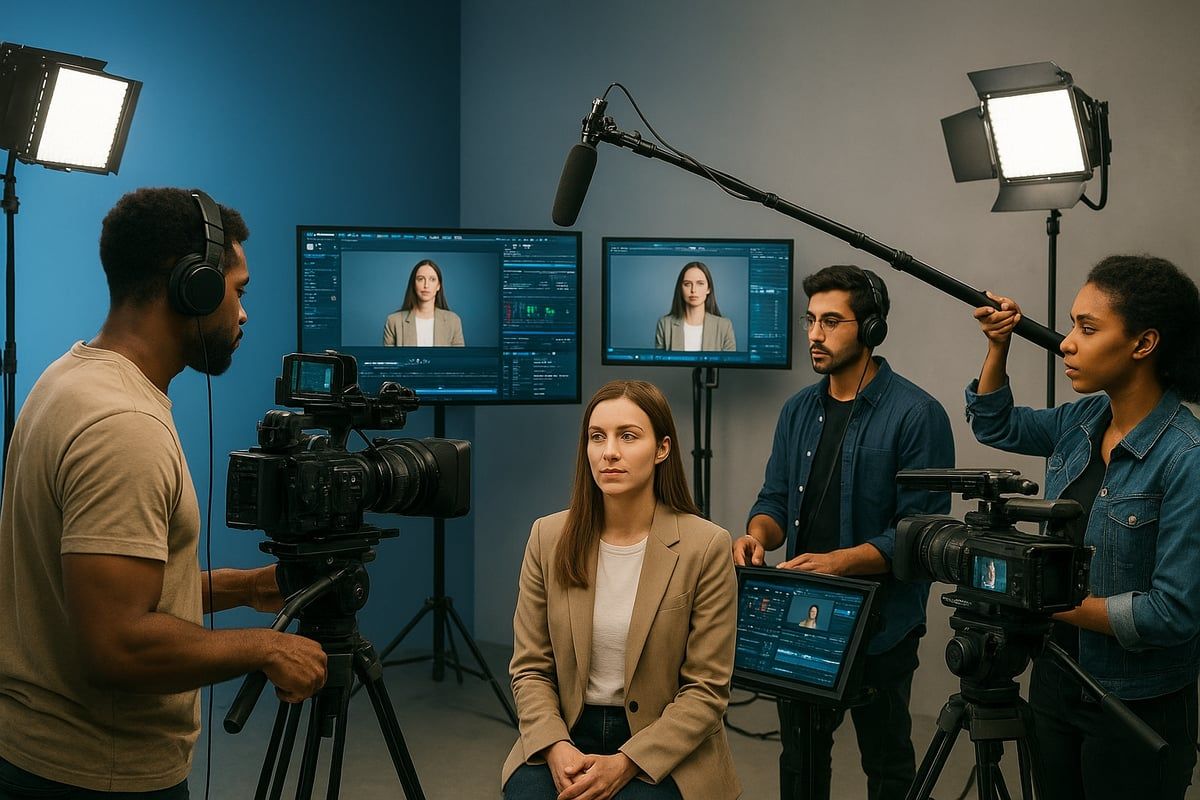
Understanding the true video cost in 2026 means looking beyond the sticker price. The industry is changing fast, with evolving demands and technology shaping every aspect of production. Brands and marketers must grasp these shifts to make smart, ROI-driven decisions.
 Cost of Video Production in 2026: Industry Overview">
The Evolving Video Landscape
Video content is more essential than ever in digital marketing, internal communications, and social platforms. The rise of "interest-media," paired with remote selling trends after the pandemic, has pushed businesses to replace in-person events with high-volume video content.
For example, many brands now use video for product launches, sales training, and customer engagement, boosting demand across sectors. According to Blare Media and Great Things Studios, the average video cost ranges from $2,500 for simple projects to over $1,000,000 for large-scale campaigns.
In 2026, understanding the broader video environment is crucial. By staying informed, brands can budget for the right type of content and avoid unexpected video cost surprises.
Pricing Models Explained
Video production companies offer several pricing models, each with unique pros and cons. Common structures include per-project, per-minute, and retainer-based pricing. Hourly rates are typical for crew members, editors, and specialists, adding flexibility or complexity depending on needs.
- Per-project: Best for commercials, with clear deliverables.
- Per-minute: Ideal for longer training or explainer videos.
- Retainer: Suits ongoing social content, offering predictable costs.
Agencies often bundle services at a premium, while freelancers offer lower rates but require more oversight. In-house teams provide control but may lack specialized skills.
Choosing the right pricing model is key to optimizing your video cost. For a detailed breakdown of pricing structures, see the Video production pricing guide.
Cost Tiers: Entry-Level to High-End
Video cost varies widely based on production tier:
| Tier | Typical Budget | Features |
|---|---|---|
| Entry-level | $2,500–$5,000 | Solo videographer, basic gear, minimal edit |
| Mid-range | $5,000–$50,000 | Pro crew, multiple locations, advanced post |
| High-end | $50,000–$1,000,000+ | Large team, best equipment, custom animation |
A corporate explainer might fall in the mid-range, while a national TV ad lands in the high-end. Most businesses see the best ROI in the mid-range, balancing quality and video cost.
Key 2026 Trends Impacting Cost
Technological innovations are transforming video cost calculations. AI-driven editing and animation tools are reducing time and expenses, but may involve trade-offs in quality.
Remote production kits and virtual collaboration are more common, enabling teams to film content worldwide without extensive travel. Demand for platform-specific videos on TikTok, YouTube, and LinkedIn is rising.
AI avatars are increasingly used for training and internal videos, while human talent remains vital for brand storytelling. Industry estimates suggest AI tools can cut post-production time by up to 40 percent, further impacting video cost planning.
Staying ahead of these trends ensures smarter budgeting and better results.
The 10 Critical Factors That Determine Video Pricing
Understanding what drives video cost is essential for effective budgeting. Whether you are planning a short brand video or a large-scale campaign, each of these ten factors can significantly impact your final investment.
1. Number of Shooting Days & Crew Size
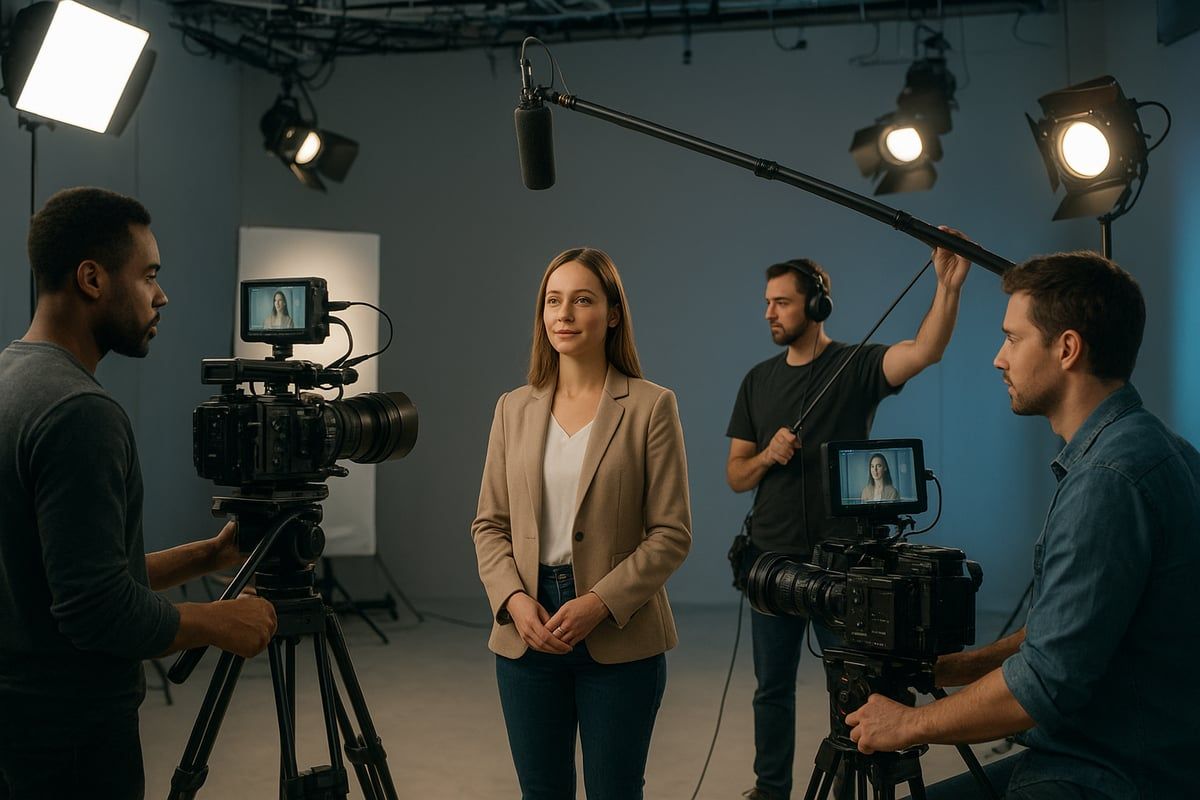
The number of days spent filming and the size of the crew have a direct impact on video cost. A single-day shoot with a minimal crew is more affordable than a multi-week project involving specialists. For example, a documentary with multiple locations will require more resources. Day rates for full crews can range from $750 to $5,000, so consolidating shoots is a smart way to manage expenses.
2. Video Length and Complexity
It is not just the length of your video that matters, but also its complexity. A 30-second commercial packed with visual effects can be pricier than a straightforward 10-minute interview. Editing rates typically run $75 to $150 per hour, while VFX can reach $2,500 per day. Complexity is often the real driver behind video cost, so plan your content carefully.
3. Talent and On-Screen Personalities
Choosing between in-house staff, client testimonials, or professional actors will influence video cost. Union actors come with higher fees and legal considerations, while non-union talent is more budget-friendly. Celebrity endorsements can dramatically increase costs. Talent fees can range from $150 to over $2,500 per day, and extras earn $15 to $30 per hour. Striking the right balance between authenticity and polish is crucial.
4. Filming Locations and Permits
Shooting on-site, in a studio, or at a public location presents different challenges and costs. Permits and insurance are often required for public spaces. For example, an office shoot is more cost-effective than renting a studio or securing a public park. Location fees may range from $500 to $5,000 per day, with studios charging $100 to $400 per hour. Smart location selection can save thousands on video cost.
5. Equipment, Accessories & Makeup
The quality and type of equipment used—cameras, lighting, audio gear—play a big role in video cost. High-end cameras like RED or ARRI are more expensive than DSLR setups. Do not overlook makeup, wardrobe, and set dressing, which can add up quickly. Equipment rentals can cost $500 to $5,000 per day, and makeup artists charge $50 to $150 per hour. For a deep dive into gear choices and their impact, see this guide to video production equipment.
6. Post-Production: Editing, VFX, and Animation
Post-production often takes the largest share of the budget. This includes editing, color grading, motion graphics, and animation. Using stock footage or music can be cost-effective, but custom assets enhance uniqueness. Motion graphics cost $100 to $250 per hour, and music licensing ranges from $50 to $1,000 per track. Investing wisely in post-production maximizes your video cost efficiency.
7. Scriptwriting and Creative Development
A compelling script is the backbone of any successful video. Professional scriptwriting and storyboarding ensure your message is clear and engaging. Costs for scriptwriting can range from $500 to $5,000, while storyboarding runs $1,000 to $5,000. Allocating budget here can prevent costly revisions later, keeping overall video cost under control.
8. Animation and Motion Graphics
If your project requires custom animation, expect higher costs. 2D and 3D animation, motion graphics, and visual effects all require specialized skills. Rates for animation work can reach $250 per hour or more. While templates can save money, custom work offers greater brand impact. Weigh the ROI when considering animation as part of your video cost.
9. Music, Voice-Over, and Sound Design
Audio quality matters as much as visuals. Hiring voice-over talent, licensing music, and sound mixing all add to video cost. Voice-over rates typically range from $250 to $500 per finished minute. Music licensing varies widely, so using royalty-free tracks can help manage expenses. Prioritize audio elements that elevate your message and overall production value.
10. Revisions, Delivery, and Contingencies
Finally, factor in the cost of revisions, delivery formats, and unexpected changes. Most vendors include a set number of revisions, but extra changes can increase video cost. Delivery might require multiple file formats or platform optimizations. Always allocate a contingency fund, typically 10 to 20 percent of your budget, to cover unforeseen expenses and ensure a smooth process.
Step-By-Step Guide: How Video Budgets Are Built in 2026
Understanding how a video cost is constructed in 2026 means breaking down every phase of production and knowing what drives expenses. The process is more transparent than ever, but smart planning is still essential. Below, we outline each budgeting step so you can anticipate costs, avoid surprises, and maximize results.
Step 1: Pre-Production Planning
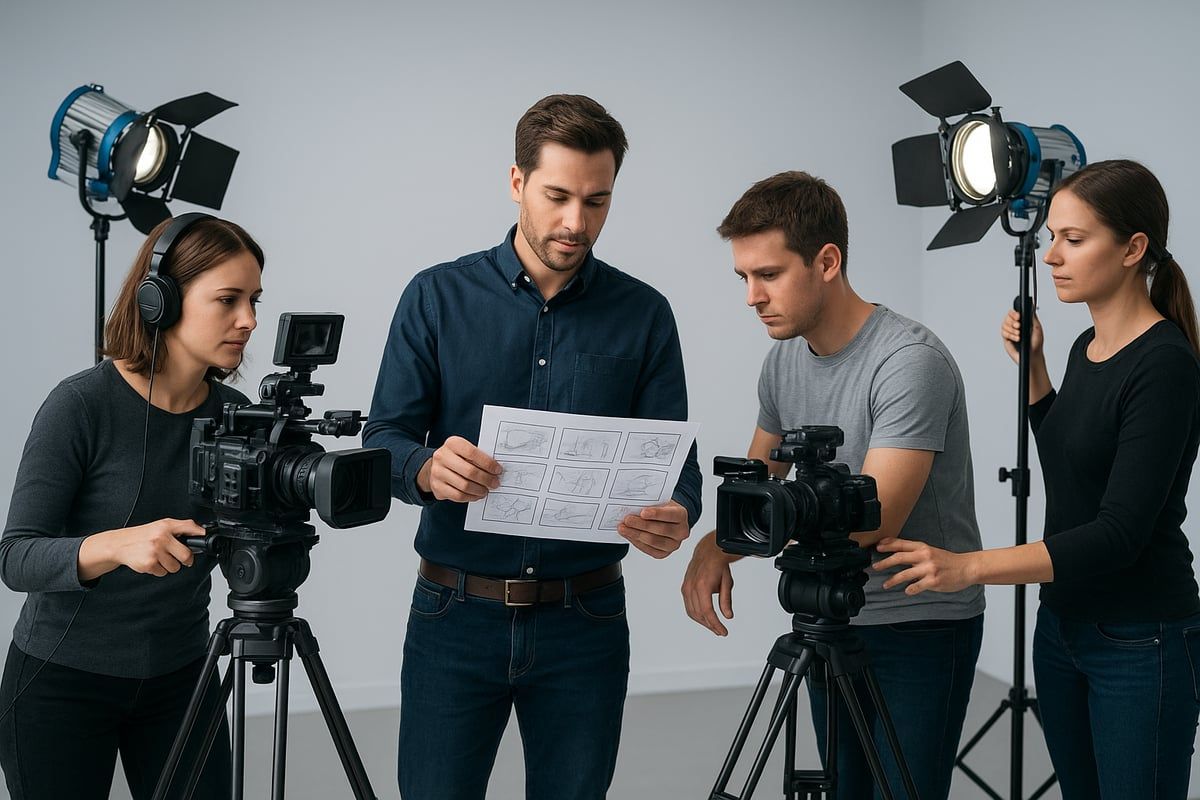
Every successful video project starts with solid pre-production. This phase covers scriptwriting, storyboarding, and creative direction. Investing here can reduce your overall video cost by preventing costly revisions later.
For example, hiring a professional scriptwriter for $500 to $5,000 ensures your message is clear and engaging. Storyboarding, which may run $1,000 to $5,000, visually maps out your shots and pacing. Market research and audience targeting also help align your vision with business goals.
If you want to learn practical ways to keep your video cost manageable from the start, check out these budget video production tips.
Strong pre-production is the foundation of a realistic and accurate video cost estimate.
Step 2: Production Execution
Production is where your plan comes to life. Assembling the right team—director, director of photography (DP), audio technician, camera operators, gaffers, and assistants—is crucial for staying on track and within budget.
Essential crew roles typically include a director ($800 to $2,500/day) and a DP ($600 to $2,000/day). Talent casting and scheduling must also be considered. Deciding which crew roles are essential versus “nice-to-have” helps control your video cost.
Efficient scheduling makes a significant difference. For instance, grouping similar scenes or shooting multiple videos in one day can optimize both budget and output.
Step 3: Studio vs. On-Location Filming
Choosing where to film impacts your video cost. Studios provide a controlled environment, often at $100 to $400/hour, while on-location shoots can range from $500 to $5,000/day depending on permits and logistics.
Remote shooting kits have become popular for brands needing flexibility or cost savings. Filming at a private residence may reduce expenses, but public spaces often require permits and insurance.
Here’s a quick comparison:
| Option | Typical Cost | Pros | Cons |
|---|---|---|---|
| Studio | $100–$400/hr | Controlled, private | Rental fees |
| On-location | $500–$5,000/day | Unique visuals | Permits, insurance |
| Remote kit | $300–$800/day | Flexible, low disruption | Technical limits |
Combining options can help tailor your video cost to your needs.
Step 4: Post-Production Workflow
Post-production includes editing, sound mixing, color grading, and final delivery. This stage often represents the largest share of your video cost.
Editing rates typically fall between $75 and $150 per hour. Adding animation, graphics, or voice-over can increase costs—voice-overs average $250 to $500 per finished minute.
You may choose to outsource animation or rely on in-house editors, depending on scale and expertise. Remember, a longer post-production timeline can raise the overall video cost, so clear communication and planning are vital.
Step 5: Distribution and Performance Tracking
Once your video is complete, distribution strategy matters. Formatting files for platforms, optimizing content, and setting up analytics all influence your final video cost.
Rendering and uploading are usually billed at $30 to $75 per hour. Creating multiple versions—like social media cutdowns or full-length edits—can add value without significantly increasing cost.
Performance tracking is essential. Using analytics tools allows you to measure ROI and adjust future budgets. The way you distribute and monitor your videos will impact the effectiveness of your video cost investment.
Step 6: Contingencies and Hidden Costs
No video budget is complete without planning for unexpected expenses. Travel, catering, insurance, and last-minute changes can all affect your video cost.
For example, weather delays may require additional crew days, and insurance typically accounts for 2 to 5 percent of the total budget. Catering is another factor, averaging $25 per person.
Always set aside a contingency fund of 10 to 20 percent of your video cost to handle surprises. Proactive planning here ensures your project stays on track and avoids budget overruns.
Pricing Secrets: Real-World Examples & Benchmarks
Understanding what drives video cost requires looking at real-world scenarios and industry benchmarks. Whether you are planning a corporate explainer or a national campaign, knowing the numbers arms you for informed decisions. Let us break down what you can expect in 2026, the impact of new tech, and how to maximize your video investment.
Sample Project Breakdowns
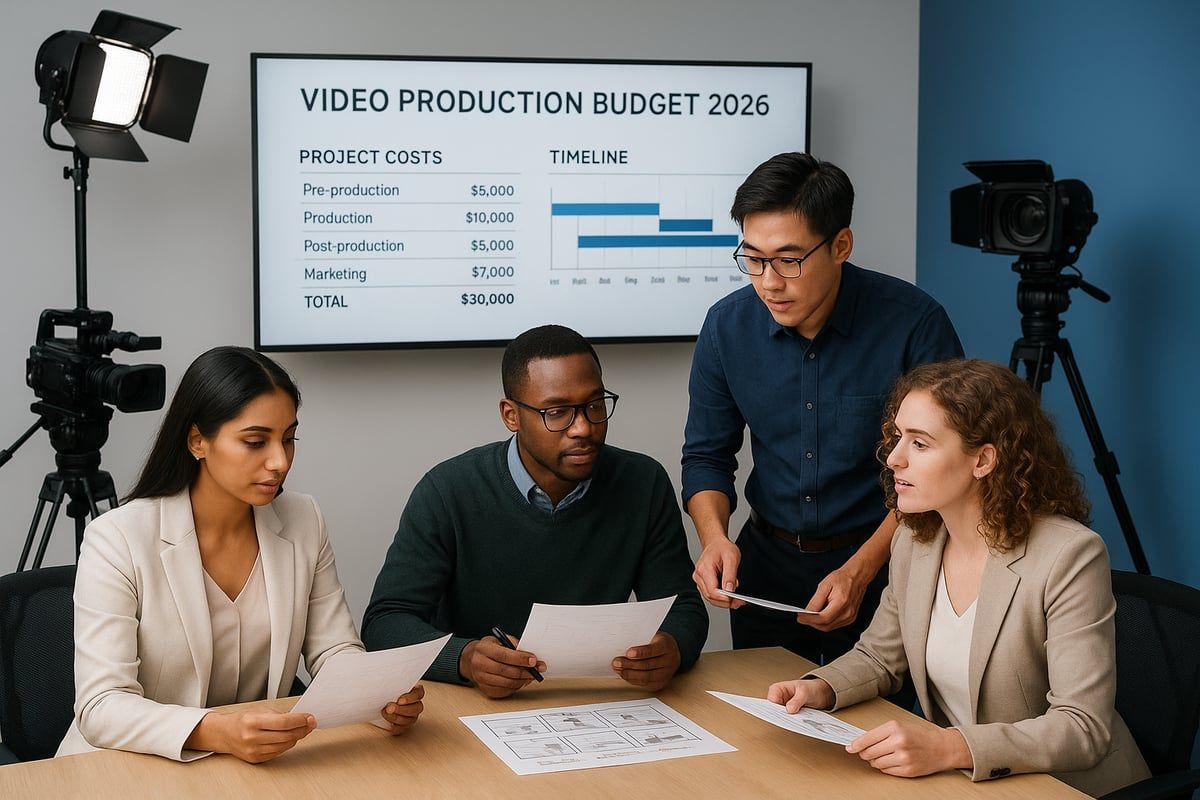
Video cost varies widely depending on the type of content, production needs, and target audience. Below is a quick comparison of common video projects and their typical price ranges for 2026:
| Project Type | Typical Video Cost | Features |
|---|---|---|
| Corporate Explainer | $7,500–$15,000 | 2-day shoot, basic animation |
| Social Media Series | $2,500–$5,000 | Single videographer, minimal editing |
| National TV Commercial | $100,000+ | Multiple locations, celebrity talent |
For example, a corporate explainer with animation and on-site interviews often falls in the mid-range. Meanwhile, a high-visibility TV spot can push video cost into six figures, especially if it involves multiple locations or famous personalities.
Matching your expectations to the right project tier is vital. Overestimating or underestimating video cost can lead to either wasted budget or missed opportunities.
Benchmarking Against Industry Standards
When comparing video cost across agencies, freelancers, and in-house teams, each model comes with distinct pros and cons. Agencies typically offer end-to-end service, including strategy, creative, and analytics, but command a premium. Freelancers can be flexible and cost-effective, though may require more oversight and project management. In-house teams provide control and familiarity but can lack specialized expertise for complex projects.
| Provider Type | Strengths | Challenges |
|---|---|---|
| Agency | Full service, reliability | Higher video cost |
| Freelancer | Flexibility, lower rates | Oversight needed |
| In-house | Control, brand familiarity | Limited specialization |
Strategic partnerships, like bundling several videos for a campaign, can help optimize video cost without sacrificing quality. Always review vendor quotes for clarity on included services and deliverables.
The Impact of AI and Automation on Pricing
Evaluate automation against the work in your actual brief. Ask which tasks it covers, what review is required and whether those choices change the estimate. The video editing cost guide helps separate footage preparation, editing, finishing and delivery requirements.
Major players are already leveraging AI for efficiency. Netflix utilizes AI for cost-effective VFX, reducing time and expenses on complex projects. However, while AI can lower video cost, it is important to balance automation with the creative human touch, especially for branded or emotionally driven content.
AI will continue to shape the video cost landscape as more companies adopt these tools for both large-scale and niche projects.
Cost-Saving Strategies for 2026
Maximizing your budget starts with smart planning. Here are actionable ways to keep video cost in check while delivering high-impact results:
- Plan for multiple deliverables in each shoot to stretch your investment.
- Use in-house talent and locations when possible.
- Repurpose footage across platforms and campaigns.
- Incorporate stock music and graphics where appropriate.
For example, capturing extra B-roll during a main shoot can supply future content needs, reducing the need for additional sessions. Careful pre-production and clear goals help prevent surprises that inflate video cost.
With the right approach, brands can achieve professional results and strong ROI, whatever their budget.
Budgeting for Success: Actionable Tips for Brands and Marketers
Budgeting for video cost in 2026 requires a strategic approach that balances creativity, business goals, and available resources. As the landscape evolves, brands and marketers who plan carefully are positioned to maximize results and minimize surprises.
Setting Realistic Expectations
A clear understanding of your actual video cost is vital from the outset. Begin by aligning your project's creative ambitions with budget realities. For example, if you are considering a cinematic brand film, compare its requirements to a straightforward testimonial series. Most corporate videos typically fall in the $7,500 to $25,000 range, so knowing this benchmark helps set achievable goals.
Open conversations with stakeholders about the intended impact and available resources prevent scope creep. By establishing clear objectives, you ensure your video cost remains predictable and your project stays on track.
Prioritizing Spend for Maximum ROI
Not every element in your video cost carries equal weight when it comes to driving results. Identify the must-haves, such as strong editing and compelling storytelling, over optional upgrades like elaborate locations. For most projects, post-production can account for 30 to 50 percent of the total video cost, making it a smart area for investment.
For more insights into how video can deliver measurable business value, review the Benefits of corporate video production. Focus your budget on aspects that directly influence viewer action and conversion.
Navigating Vendor Quotes and Contracts
Understanding what is included in each vendor's proposal is crucial for managing your video cost. Carefully review all line items, including pre-production, production, and post-production phases. Ask questions about revision policies, delivery timelines, and any additional fees.
When comparing quotes, transparency is key. A detailed contract prevents hidden charges and ensures both parties agree on expectations. Being proactive in negotiations helps you control your video cost while maintaining project quality.
Future-Proofing Your Video Investment
To stretch your video cost further, think beyond a single campaign. Plan for evergreen content and reusable assets, such as capturing extra B-roll or creating modular footage. This approach allows you to repurpose material for future projects, increasing the return on your investment.
According to industry surveys, 60 percent of marketers plan to repurpose video content in 2026. Building flexibility into your video cost strategy ensures your content remains relevant and valuable over time.
Tracking Results and Measuring Success
Effective measurement is the linchpin of a successful video cost strategy. Set clear KPIs, including views, engagement, conversions, and cost-per-lead, to track the impact of your campaigns. Leverage analytics tools on platforms to refine your approach and optimize future budgets.
Brands that use analytics report up to double the ROI on their video spend. By connecting your video cost to measurable outcomes, you create a feedback loop that drives continuous improvement and marketing success.
Now that you have a clear understanding of what drives video production costs in 2026 and how to make every dollar count, you might be wondering how to translate these insights into a video strategy that genuinely delivers results. At Viva Media, we help brands like yours move from budgeting uncertainty to strategic investment, focusing on measurable ROI and content that truly engages. If you’re ready to see how a tailored approach can unlock new value for your business, let’s connect and map out your next steps together. Book a strategy session