


Television has transformed dramatically, and in 2026, tv production is more innovative and influential than ever before. Whether you are a newcomer or a seasoned professional, understanding tv production today is essential for keeping pace with a rapidly evolving industry.
This essential guide offers the most current insights on industry trends, the full production process, emerging technologies, career pathways, education options, and the future outlook. Explore how tv production continues to shape culture and discover what it takes to succeed in this dynamic field. Let this guide spark your curiosity, deepen your knowledge, and inspire you to take the next step in your tv production journey.
The State of TV Production in 2026
The landscape of tv production in 2026 is more dynamic and innovative than ever. Rapid advances in technology, shifting audience preferences, and global events have all driven significant changes. This section explores the trends, values, and challenges shaping the industry today.

Key Industry Trends and Developments
In 2026, tv production is defined by the explosive growth of streaming and on-demand content. Hybrid models now blend remote and in-studio teams, while short-form, mobile-optimized content dominates new releases. Audiences crave live and interactive experiences, pushing producers to innovate with real-time engagement.
Statistics show a sharp rise in streaming subscriptions globally, reflecting these shifts. Platforms increasingly integrate TV and online features, creating seamless viewer journeys. Adapting to these evolving habits is essential for success. For more on the driving forces behind these changes, see the 7 Media Trends Redefining Entertainment in 2026.
Diversity and Inclusion Initiatives
Diversity is a central pillar in tv production today. Studios and networks have launched targeted efforts to ensure broader representation on-screen and within production teams. New policies support underrepresented creators through dedicated funding and mentorship opportunities.
Many productions now implement diversity quotas, establishing minimum standards for team composition. These steps not only foster equity but also drive audience growth by delivering more authentic, inclusive storytelling. As a result, the industry is building stronger connections with viewers from all backgrounds.
Regulatory and Ethical Considerations
With the digital expansion of tv production, regulatory and ethical issues are more complex. Updated copyright and licensing rules now govern digital content across borders. Producers must also address privacy concerns, especially when handling viewer data or participant information.
International streaming laws have introduced new compliance requirements. For example, global releases may require region-specific edits or data safeguards. Staying informed about these evolving regulations is crucial to avoid legal pitfalls and protect the integrity of every production.
Sustainability in TV Production
Eco-friendly practices are now a competitive advantage in tv production. Leading studios focus on green set design, renewable energy, and digital workflows to minimize environmental impact. Data shows a measurable reduction in carbon footprints across major players, thanks to smarter resource management.
Efforts include recycling materials, reducing travel, and leveraging virtual sets. By prioritizing sustainability, studios not only reduce costs but also appeal to environmentally conscious audiences and partners.
The Impact of Global Events
Recent health and geopolitical events have permanently changed tv production methods. Remote collaborations, cloud-based editing, and virtual production teams are now standard. These adaptations ensure projects continue smoothly, even amid disruptions.
Studios have embraced cloud solutions for editing and directing, making teams more flexible and resilient. Flexibility and adaptability are now core industry values, ensuring that productions can thrive regardless of external challenges.
The TV Production Process: Step-by-Step in 2026
The tv production landscape in 2026 is more dynamic than ever, requiring a structured yet flexible process to meet evolving demands. Each stage, from creative planning to distribution, plays a crucial role in delivering compelling content to audiences worldwide.

Step 1: Development and Pre-Production
Every successful tv production begins with a strong concept. In this phase, teams brainstorm ideas, develop scripts, and conduct thorough market research to align with viewer trends. AI-powered tools now assist in scriptwriting and trend analysis, enabling producers to predict what will resonate most with audiences.
Budgeting and securing financing are also core activities at this stage. By analyzing target demographics and potential ROI, teams can make informed decisions early. Effective pre-production planning reduces risks, ensuring that the rest of the tv production process proceeds smoothly and efficiently.
Step 2: Assembling the Production Team
The next phase in tv production is building a skilled and diverse team. Key roles include:
- Producers and directors
- Camera operators and lighting technicians
- Audio engineers and script supervisors
Remote collaboration has become standard in 2026, allowing access to global talent pools. The rise of freelance and contract-based crew members has expanded opportunities and flexibility. Team composition directly affects the quality of the final product, making careful selection essential for modern tv production projects.
Step 3: Studio and Location Preparation
Preparing sets and selecting locations are pivotal for tv production success. Today’s productions often blend traditional set design with virtual environments, incorporating AR and VR elements for immersive storytelling. The use of LED walls for dynamic, real-time backgrounds has revolutionized visual possibilities.
Producers increasingly rely on On-Set Virtual Production Techniques to create realistic scenes without extensive travel or physical builds. This innovation streamlines workflows and reduces costs. Innovative set design, both physical and digital, gives each tv production a unique visual identity.
Step 4: Filming and Production Operations
Filming is where the vision of tv production becomes reality. Modern studios use advanced cameras, jib arms, and sophisticated lighting rigs to capture high-quality footage. Operations now often involve real-time multi-camera setups, allowing for both live and pre-recorded broadcasts.
Sound recording and live editing are managed by specialized technicians, ensuring seamless integration of all elements. New equipment and digital workflows have increased efficiency, enabling crews to deliver polished content faster. Technical proficiency is now a baseline requirement for any tv production team.
Step 5: Post-Production and Editing
In post-production, the creative vision of tv production truly comes to life. Editors use advanced software like Adobe Premiere Pro and After Effects for video compositing, sound mixing, and visual effects. Cloud-based collaborative editing allows teams to work together from anywhere, streamlining the process.
This stage is critical for refining the narrative, correcting errors, and enhancing the overall aesthetic. By leveraging cutting-edge tools, post-production professionals ensure that every tv production meets high industry standards and audience expectations.
Step 6: Distribution and Broadcast
The final phase of tv production focuses on delivering content to viewers. Multi-platform release strategies are standard, with simultaneous premieres on traditional TV, streaming services, and social media. Each platform has unique technical and compliance requirements, requiring careful planning.
A well-executed distribution strategy maximizes audience reach and return on investment. In 2026, success often depends on the ability to adapt quickly to changing viewer behaviors, making this step vital for every tv production.
Essential Skills and Roles in Modern TV Production
Modern tv production demands a blend of technical expertise, creativity, and adaptability. As the industry evolves, professionals must develop a versatile skill set to succeed in fast-paced studio environments and on innovative digital platforms. Let us explore the most important skills and roles defining tv production in 2026.

Core Technical Skills
Technical proficiency forms the backbone of tv production. Key skills include camera operation, lighting, sound mixing, and advanced video editing. Mastery of industry-standard tools, such as Adobe Premiere Pro and After Effects, is essential for producing high-quality content.
Many studios now require certification, making it crucial for entry-level professionals to pursue credentials in these areas. Studio technicians often expand their capabilities by cross-training in multiple disciplines, ensuring flexibility during live broadcasts or remote shoots. To avoid common pitfalls and deliver seamless results, review guidance such as the 7 Video Production Mistakes article for practical tips on what to watch out for.
Continuous upskilling keeps teams current and competitive in the ever-changing landscape of tv production.
Creative and Storytelling Abilities
While technology is vital, creativity remains at the heart of successful tv production. Strong scripting, compelling direction, and visual storytelling set standout productions apart. Professionals must adapt stories for a variety of formats, from short-form mobile content to immersive live shows.
Writers increasingly use AI-assisted tools to develop dialogue, brainstorm plot ideas, and analyze viewer trends. This blend of traditional storytelling and digital innovation helps create memorable audience experiences.
In tv production, creativity is not just an asset, but a necessity for building engaging narratives that resonate across platforms.
Project and Production Management
Effective management ensures tv production projects stay on schedule and within budget. Production managers handle logistics, coordinate resources, and oversee team communication. Leadership skills are vital, especially during complex live shoots or when quick decisions are required.
A typical workflow involves detailed scheduling, real-time problem-solving, and maintaining clear lines of accountability. Floor managers play a key role in orchestrating multi-camera setups and managing transitions during live events.
Strong project management in tv production means projects are completed efficiently, with high production values and minimal disruptions.
Emerging Roles in 2026
The tv production landscape in 2026 features a host of new roles shaped by digital transformation. Virtual production specialists, data analysts, and digital asset managers are now in high demand. These professionals support advanced workflows such as cloud-based editing and remote collaboration.
Hybrid roles blend creative and technical skills, reflecting the need for agility in a rapidly evolving industry. Social media content strategists and platform liaisons bridge the gap between traditional tv production and digital distribution.
As new technologies emerge, roles within tv production will continue to diversify, creating opportunities for adaptable professionals.
Training and Certification Pathways
Formal training is increasingly important for launching a career in tv production. Leading technical colleges and specialized programs offer hands-on experience, allowing students to work with real tv stations and equipment.
Industry-recognized certifications, such as Adobe Certified Professional for Premiere Pro or After Effects, validate essential skills. Many programs report high placement rates for certified graduates, highlighting the value of targeted education.
A strong foundation in both theory and practice accelerates career growth and ensures readiness for the demands of modern tv production.
Technology and Innovation Shaping TV Production
The landscape of tv production in 2026 is defined by rapid advancements in technology and a constant drive for innovation. Studios and professionals are adopting new tools and workflows to meet changing audience expectations and remain competitive. Let us explore how technology is reshaping every aspect of tv production, from the studio floor to the editing suite.
Cutting-Edge Production Tools
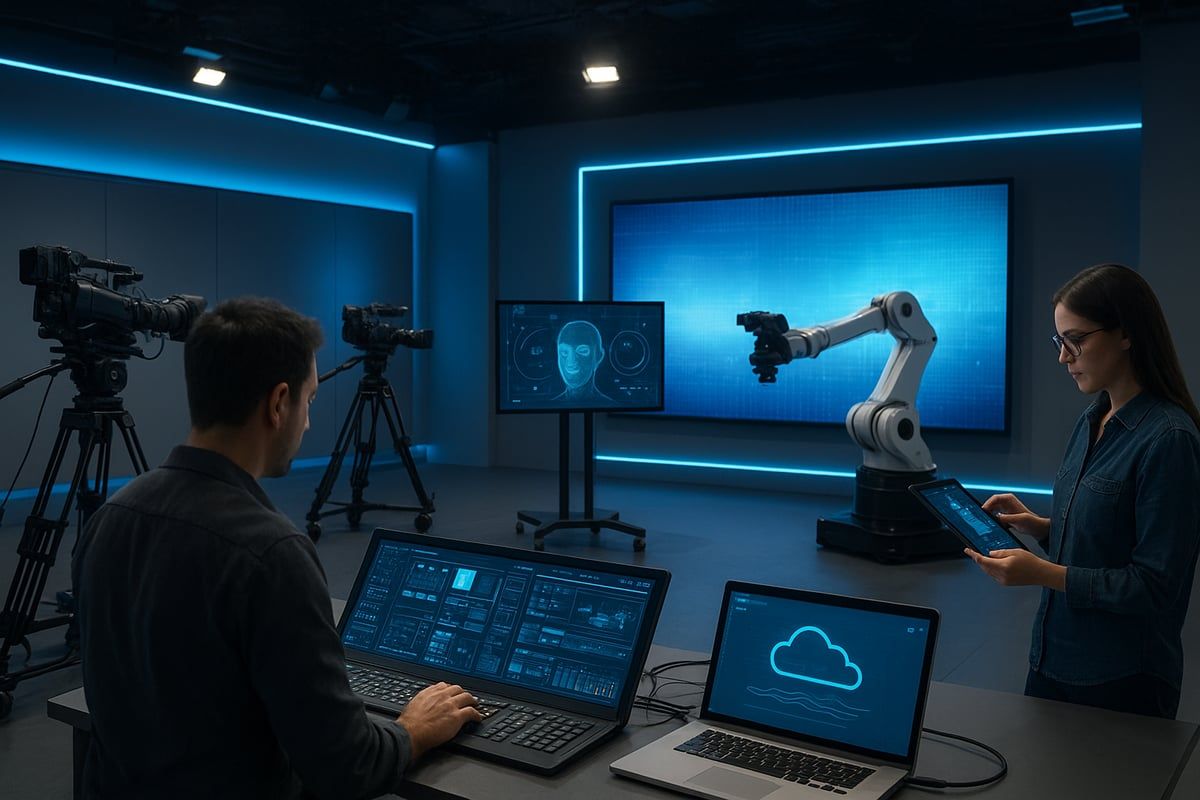
In 2026, studios are investing in cutting-edge equipment to stay ahead in tv production. The latest cameras deliver 8K resolution, while advanced lighting rigs offer precise control and energy efficiency. Robotic cameras and drones now capture dynamic shots that were once impossible. Many studios are also integrating AI-powered video tools that automate tasks and enhance image quality.
For a comprehensive overview of essential equipment, explore the Video Production Equipment Guide. Staying updated on advancements is crucial, as the adoption rate of new technology directly impacts production value and workflow efficiency in tv production.
The Role of Software and Digital Platforms
Software innovation is at the core of modern tv production. Editing suites like Adobe Premiere Pro and After Effects remain industry standards, supporting cloud-based workflows for real-time collaboration. Teams can now work together from different locations, sharing assets and feedback instantly.
Cloud storage ensures secure, global access to large video files. Real-time collaboration tools streamline communication, making tv production more flexible and adaptable than ever before. Software proficiency is now a fundamental requirement for anyone entering the industry.
Virtual and Augmented Reality in TV
Virtual and augmented reality are transforming the visual storytelling of tv production. Studios are using VR for immersive set design and AR to add interactive elements to live broadcasts. These technologies engage audiences in new ways, allowing for real-time overlays and enhanced viewer participation.
A growing percentage of productions now incorporate at least one VR or AR element, reflecting the industry's shift toward immersive experiences. As tv production continues to evolve, mastering these tools is becoming essential for both creative and technical teams.
Automation and AI in Production
Automation and artificial intelligence are optimizing nearly every step of tv production. Automated editing systems accelerate post-production, while AI-driven analytics help teams target content to specific audiences. Scheduling and asset management are now handled by smart tools, reducing administrative workload and minimizing human error.
AI is also used for live captioning and translation, making content more accessible. These innovations not only increase efficiency but also allow creative professionals to focus on storytelling, further raising the bar for tv production quality.
Security, Backup, and Data Management
With the shift to digital workflows, security and data management have become major priorities in tv production. Studios are investing in encrypted cloud solutions to protect digital assets and intellectual property. Robust backup systems and disaster recovery protocols ensure that valuable footage is never lost.
A strong focus on cybersecurity is critical, especially as remote work and cloud collaboration become standard. Effective data management safeguards the integrity of every tv production, supporting both creative output and business continuity.
Career Pathways and Opportunities in TV Production
The landscape of tv production in 2026 offers dynamic career pathways for both creative and technical professionals. Whether you are just starting out or aiming for leadership, understanding these roles and the skills required will guide your journey in this evolving industry.
Entry-Level and Technical Roles
Entry-level positions in tv production, such as studio assistants, camera operators, audio, and lighting technicians, provide foundational experience. These roles are essential for smooth operations during live broadcasts and recorded segments.
Many professionals start in hands-on roles at local stations or educational settings, gaining valuable skills in equipment setup and troubleshooting. According to industry data, technical positions in tv production are projected to grow steadily, reflecting the ongoing need for skilled crew in both traditional and digital environments.
Creative and Leadership Positions
Creative roles in tv production include producers, directors, editors, and writers. These positions require a combination of vision, storytelling ability, and technical expertise. Producers oversee the entire process, coordinating teams and managing resources. Directors shape the creative direction, while editors and writers ensure content is engaging and coherent.
Leadership roles often evolve from experience gained in technical or creative entry-level jobs. Advancement requires both creative insight and strong management skills, positioning individuals to lead complex productions and inspire teams to achieve their best work.
Certification and Higher Education Options
A solid educational foundation is crucial for success in tv production. Technical college programs, associate degrees, and university pathways offer specialized training in areas like video editing, sound design, and production management. Many programs provide hands-on experience with real-world studio environments, mirroring the workflows outlined in the Corporate Video Production Guide.
Articulation agreements between colleges and universities allow credits to transfer, supporting continued education. According to competitor data, a significant percentage of graduates pursue higher education, which often leads to advanced career opportunities in the field.
Industry Certifications and Their Value
Industry-recognized certifications, such as Adobe Certified Professional, Premiere Pro, and After Effects, have become valuable assets for tv production professionals. Studios increasingly prefer candidates with these credentials, as certification demonstrates proficiency with industry-standard tools and techniques.
Certification can also impact employability and salary. For some roles, especially in editing and post-production, studios now require specific certifications as prerequisites, according to competitor research. This trend highlights the growing importance of verified technical skills in a competitive job market.
Employment Outlook and Future Skills
The future of tv production is marked by evolving job trends, with a growing demand for multi-skilled professionals. Hiring is expanding for both traditional full-time positions and flexible roles, including freelancing and contract work. Remote and hybrid job postings are also on the rise, reflecting the industry's adaptation to digital workflows.
Market analyses, such as the TV Studio Market Growth to 2035, project continued expansion driven by digital HD and 4K content. Lifelong learning and adaptability are now essential, as professionals must stay current with new technologies and industry practices to succeed in tv production.
Education, Training, and Breaking Into TV Production
Breaking into tv production in 2026 requires more than just passion. The field is evolving, and success depends on targeted education, practical skills, and the ability to network. Whether you are starting out or seeking advancement, understanding the latest training options and career strategies is essential.
Choosing the Right Training Program
Selecting the ideal training program for tv production is a crucial first step. Consider the curriculum depth, hands-on studio experience, and the expertise of instructors. Many leading programs now offer immersive courses using real equipment, preparing students for the demands of today's industry.
Look for institutions that provide direct experience with live productions. Review placement rates and student satisfaction data from recent years, and seek programs that maintain strong connections to local broadcasters. Remember, the quality of your education will have a direct impact on your tv production career prospects.
Admissions and Financial Aid
Admission requirements for tv production programs typically include basic skills assessments and orientation sessions. Understanding these criteria helps you prepare strong applications and demonstrate your readiness for technical training.
Financial aid options are widely available and can include grants, scholarships, and work-study opportunities. Leading schools often publish tuition breakdowns and financial aid statistics, making it easier to plan your education path. Careful financial planning ensures that you can focus on learning and developing your tv production skills without unnecessary stress.
Gaining Practical Experience
Hands-on experience is invaluable for anyone entering tv production. Many programs offer internships or apprenticeships with local tv stations or production houses. These opportunities allow students to apply classroom knowledge in real scenarios, from assisting on live shoots to editing segments for broadcast.
Participating in live productions or working on campus-run channels builds confidence and technical proficiency. This practical exposure complements theoretical study, making you more attractive to future employers in the tv production industry.
Building a Professional Portfolio
A strong professional portfolio is your ticket to standing out in the competitive tv production job market. Include demo reels, project showcases, and proof of certifications. Many students produce content for actual broadcasts, demonstrating their ability to deliver high-quality work under real-world conditions.
Understanding the value of professional video work is critical. For further insights on how impactful video content can be, see this post on Video Production for Businesses. A well-rounded portfolio not only highlights your talent but also your readiness to contribute effectively in any tv production environment.
Networking and Industry Connections
Building a robust professional network is essential for success in tv production. Attend industry events, participate in workshops, and join relevant associations to meet experienced professionals. These connections can provide valuable job leads, mentorship, and advice as you navigate your career.
Studies have shown that networking significantly increases job placement rates for graduates. Strong relationships within the tv production community can open doors to opportunities and help you stay updated on industry trends. Never underestimate the impact of community and collaboration in advancing your career.
As you’ve explored the evolving landscape of TV production—from the latest technology and hybrid workflows to the vital skills shaping tomorrow’s industry—it’s clear how dynamic and rewarding this field can be. If you’re feeling inspired to bring your own ideas to life or want to see how leading brands are already making an impact, I encourage you to see our work. Discover real examples of high-performance video content and imagine what’s possible for your next project. Let’s turn your vision into reality together.