
Creating video content that captures attention and drives results requires more than just pointing a camera and pressing record. The difference between amateur footage and professional-grade content lies in understanding and implementing the technical standards, production elements, and strategic decisions that define quality video. For businesses investing in video marketing, knowing what separates exceptional content from mediocre material can mean the difference between campaigns that convert and budgets that disappear without impact.
Technical Foundations of Professional Video Production
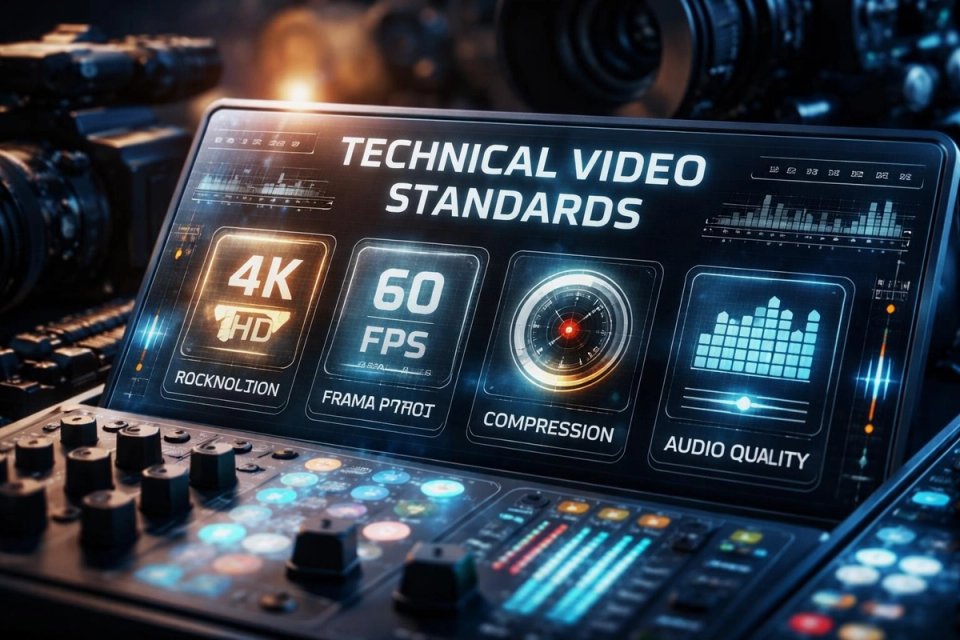
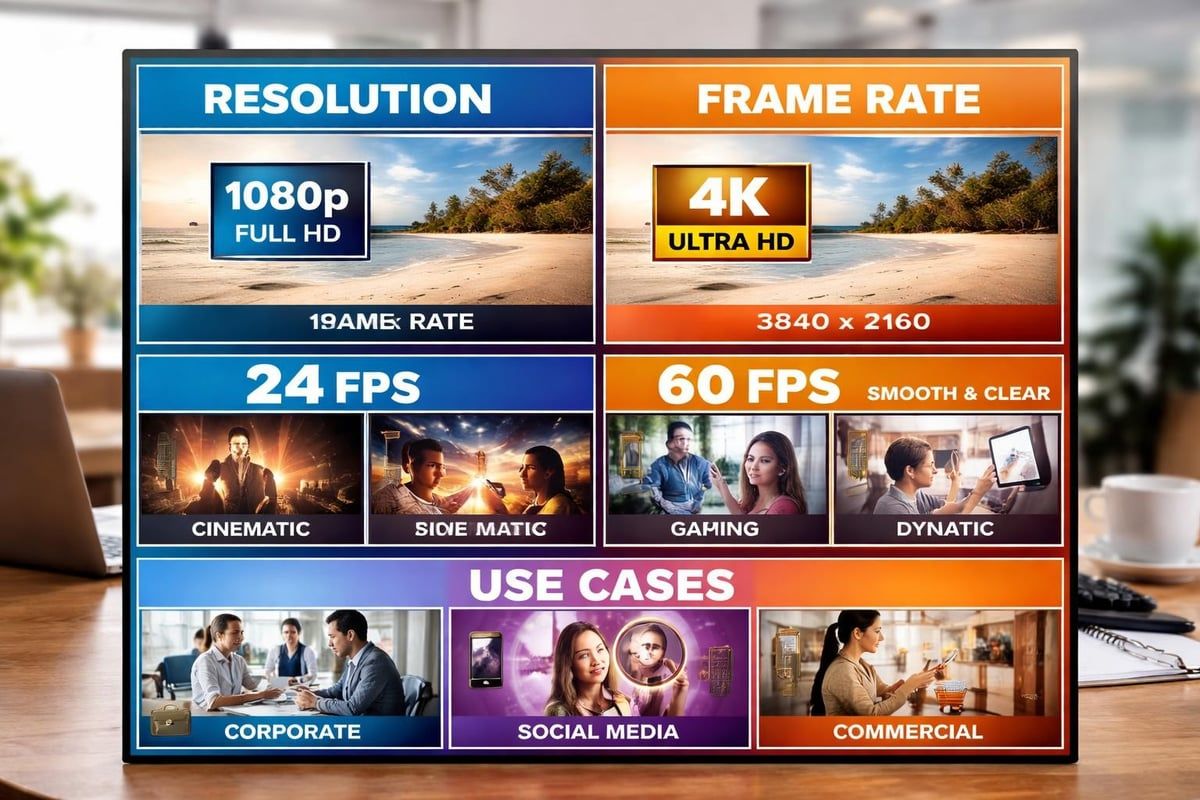
The foundation of any quality video starts with resolution, frame rate, and aspect ratio specifications that meet modern viewing standards. In 2026, 1080p HD resolution at minimum has become the baseline expectation, with many brands adopting 4K formats for future-proofing and enhanced detail. According to California Department of Education video standards, professional content should maintain a 16:9 aspect ratio and utilize 24fps or higher frame rates depending on the intended platform and viewing context.
These technical specifications aren't arbitrary requirements. They directly impact how audiences perceive your brand's credibility and professionalism.
Resolution and Frame Rate Considerations
Different platforms and content types demand varying technical approaches:
- Corporate presentations: 1080p at 24fps or 30fps provides cinematic quality without excessive file sizes
- Social media content: 1080p at 60fps delivers smooth motion for fast-paced promotional material
- Commercial advertisements: 4K resolution future-proofs content for multiple distribution channels
- Training materials: 1080p at 30fps balances clarity with manageable bandwidth requirements
The technical production standards established by professional institutions emphasize that frame rate selection should align with content purpose rather than simply maximizing numbers.
Compression and Encoding Excellence
Even perfectly captured footage loses value if compression and encoding compromise visual fidelity. Advanced Video Coding (H.264) remains the industry standard codec, offering exceptional compression efficiency while maintaining quality video output across devices and bandwidth conditions.
Modern compression requires balancing file size against quality preservation. Bitrate selection determines this equilibrium, with higher bitrates preserving more detail but creating larger files that challenge streaming capabilities.
| Content Type | Recommended Bitrate | Typical File Size (per minute) |
|---|---|---|
| Social Media | 5-8 Mbps | 40-60 MB |
| Corporate Web | 8-12 Mbps | 60-90 MB |
| Broadcast Quality | 15-25 Mbps | 115-190 MB |
| Archive Master | 50+ Mbps | 375+ MB |
Professional video production services maintain multiple export versions optimized for different platforms, ensuring quality video delivery regardless of viewing context. This approach prevents the common mistake of using a single export for all distribution channels, which inevitably compromises either quality or accessibility.
Audio Quality as a Quality Indicator
While visual elements attract initial attention, audio quality often determines whether viewers remain engaged. Poor audio quality undermines even the most visually stunning footage, creating cognitive dissonance that drives audiences away.
Professional audio standards require:
- Minimum 48kHz sample rate with 16-bit depth for web content
- Balanced audio levels between -6dB and -12dB to prevent distortion
- Background noise reduction maintaining clarity without introducing artifacts
- Consistent volume across all segments and transitions
The videography standards outlined by professional institutions emphasize that audio capture deserves equal priority with visual composition during production planning.
Lighting Techniques That Define Quality
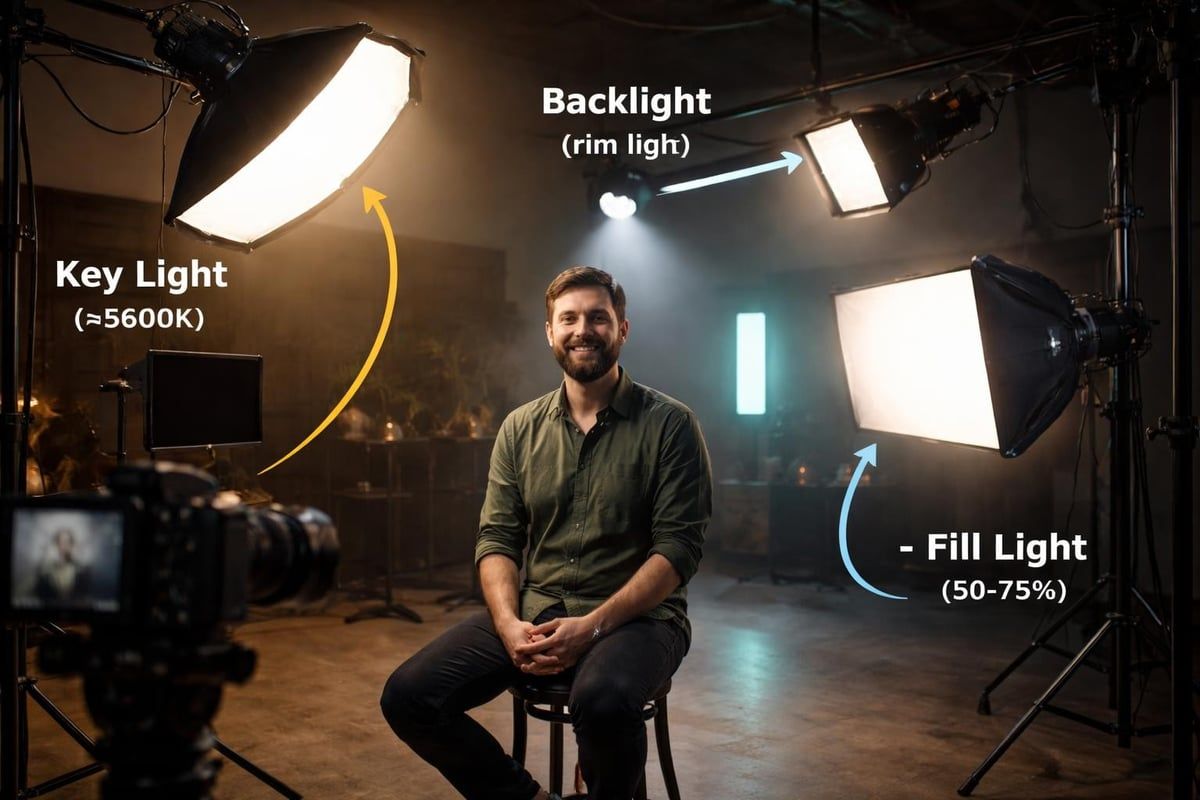
Lighting separates amateur video from quality video more definitively than any other single factor. Professional lighting creates depth, directs attention, and establishes mood while ensuring subjects remain clearly visible and properly exposed across varying viewing conditions.
Three-point lighting remains the foundational approach, utilizing key lights, fill lights, and backlights to create dimensional imagery. However, modern quality video production often employs more sophisticated setups that respond to specific environmental conditions and creative requirements.
Natural light presents both opportunities and challenges. When properly managed, it delivers authentic, cost-effective results. Without control, it creates inconsistent exposure and color temperature shifts that undermine professional appearance. The video production guidelines from ARSC recommend supplementing natural light with controlled sources to maintain consistency.
Color Temperature and White Balance
Maintaining proper color temperature ensures quality video appears natural across different viewing devices:
- Daylight filming requires 5600K color temperature settings
- Indoor tungsten lighting demands 3200K compensation
- Mixed lighting situations benefit from manual white balance calibration
- Color grading in post-production corrects minor inconsistencies
Professional production teams measure and adjust color temperature throughout filming sessions, preventing the blue or orange color casts that immediately signal amateur production values.
Composition and Framing Standards
Visual composition transforms ordinary footage into quality video by applying artistic principles that guide viewer attention and create aesthetic appeal. The rule of thirds provides foundational guidance, positioning key elements along imaginary grid lines rather than dead center.
Leading lines, symmetry, and depth layering add sophistication to compositions. These techniques create visual interest that holds attention beyond the initial seconds when most viewers decide whether to continue watching or scroll away.
Professional framing maintains adequate headroom and looking space, preventing the claustrophobic feeling amateur productions often create. Technical video standards specify maintaining 10-15% buffer space around subjects to accommodate different aspect ratios and platform-specific cropping.
Camera Movement and Stability
Stability separates quality video from shaky, disorienting content that viewers reject instinctively. Even intentional movement requires controlled execution:
- Tripod shots provide rock-solid stability for interviews and static scenes
- Gimbal movements deliver smooth motion for dynamic sequences
- Slider shots add production value through controlled horizontal movement
- Handheld footage requires stabilization in post-production or specialized equipment
The comprehensive video requirements outlined by NREL emphasize that camera stability directly impacts accessibility, as unstable footage can cause discomfort or disorientation in sensitive viewers.
Storytelling Structure and Pacing
Technical excellence means nothing without compelling storytelling that maintains engagement from opening frame to final call-to-action. Quality video employs narrative structures that create emotional connections while delivering information efficiently.
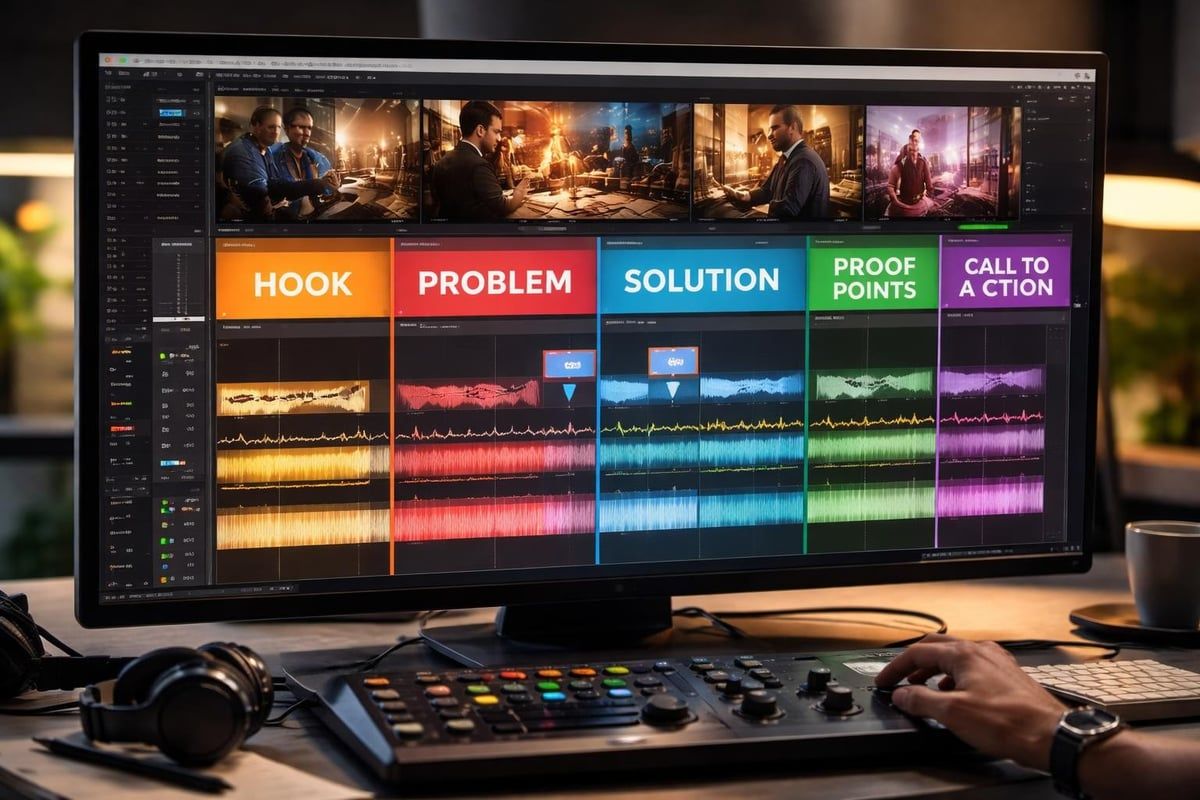
Hook-develop-resolve frameworks work effectively across commercial, corporate, and educational contexts:
- Opening hook (3-5 seconds) captures attention immediately
- Problem identification (10-15 seconds) establishes relevance
- Solution presentation (30-60 seconds) delivers core message
- Proof points (20-40 seconds) build credibility
- Call-to-action (5-10 seconds) drives desired response
This structure adapts to different video lengths while maintaining engagement through controlled pacing that respects viewer attention spans. Understanding these elements helps create content that performs across distribution channels.
Editing Rhythm and Transitions
Editing pace determines whether quality video maintains momentum or loses viewers to boredom. Professional editing balances information density with visual variety:
| Content Segment | Typical Shot Length | Purpose |
|---|---|---|
| Opening Hook | 1-3 seconds | Create urgency |
| Establishing Shots | 3-5 seconds | Provide context |
| Interview Clips | 5-15 seconds | Build credibility |
| B-roll Coverage | 2-4 seconds | Maintain energy |
| Call-to-Action | 5-8 seconds | Drive response |
Transitions should enhance rather than distract from content. While jump cuts and simple dissolves suit most corporate applications, creative video production sometimes benefits from more dynamic transitions that align with brand personality.
Platform-Specific Optimization
Quality video adapts to platform requirements without compromising core production values. What works for LinkedIn differs fundamentally from Instagram or YouTube specifications, requiring strategic adjustments to formatting, length, and presentation style.
Platform optimization extends beyond simple resolution adjustments:
- Instagram Reels demand vertical 9:16 format with text overlays for sound-off viewing
- YouTube content performs best at 16:9 with detailed descriptions and timestamps
- LinkedIn videos benefit from subtitles and professional presentation
- TikTok requires immediate hooks and fast-paced editing
The challenge lies in maintaining brand consistency while respecting platform-specific viewer expectations. Working with experienced production teams helps navigate these requirements without creating entirely separate content for each channel.
Quality Assessment and Measurement
Objective quality measurement prevents subjective opinions from derailing production decisions. Video Multimethod Assessment Fusion (VMAF) provides data-driven quality scoring that predicts viewer perception based on technical analysis of compression artifacts, resolution, and encoding efficiency.
Professional production workflows incorporate quality checks at multiple stages:
- Pre-production testing validates equipment and settings
- On-set monitoring ensures proper exposure and focus
- Post-production review catches technical issues before export
- Platform testing confirms proper playback across devices
- Performance analysis measures engagement and completion rates
These checkpoints prevent expensive reshoots and ensure consistent quality video delivery across all projects. Corporate video production processes benefit particularly from systematic quality assurance that maintains brand standards.
Measuring Business Impact
Technical quality metrics matter only when they translate into business results. Quality video drives measurable outcomes:
- Engagement rates indicate whether content holds attention
- Completion percentages reveal whether messaging resonates
- Conversion tracking connects video views to desired actions
- Share metrics demonstrate content value to audiences
- ROI calculations justify continued investment
Understanding how to evaluate these metrics helps businesses make informed decisions about production investments and content strategies.
Accessibility and Inclusive Design
Quality video serves all audiences, regardless of abilities or viewing conditions. Accessibility features enhance rather than detract from production values when implemented thoughtfully.
Captioning and subtitles benefit everyone, not just hearing-impaired viewers. Studies show 85% of social media video plays without sound, making text overlays essential for engagement. Professional captioning maintains readability without obscuring important visual elements.
Color contrast requirements ensure text remains legible across devices and lighting conditions. Audio descriptions for vision-impaired users demonstrate commitment to inclusive communication that strengthens brand reputation while expanding audience reach.
Production Team Expertise
The difference between adequate and exceptional quality video often comes down to team expertise. Professional videographers, audio engineers, lighting specialists, and editors bring specialized knowledge that elevates every production element.
When evaluating video production companies, assess their understanding of technical standards, creative capabilities, and business impact focus. Teams that discuss ROI alongside artistic vision deliver content that serves strategic objectives rather than simply looking impressive.
Portfolio evaluation should examine:
- Consistency across different project types
- Technical execution quality
- Storytelling effectiveness
- Platform-appropriate variations
- Client success metrics
Reviewing completed work reveals whether production partners maintain standards across varying budgets and timeframes, ensuring your investment delivers consistent results.
Budget Allocation for Maximum Impact
Quality video doesn't necessarily require unlimited budgets, but it does demand strategic resource allocation. Understanding where investment creates the most significant impact helps maximize return on production spending.
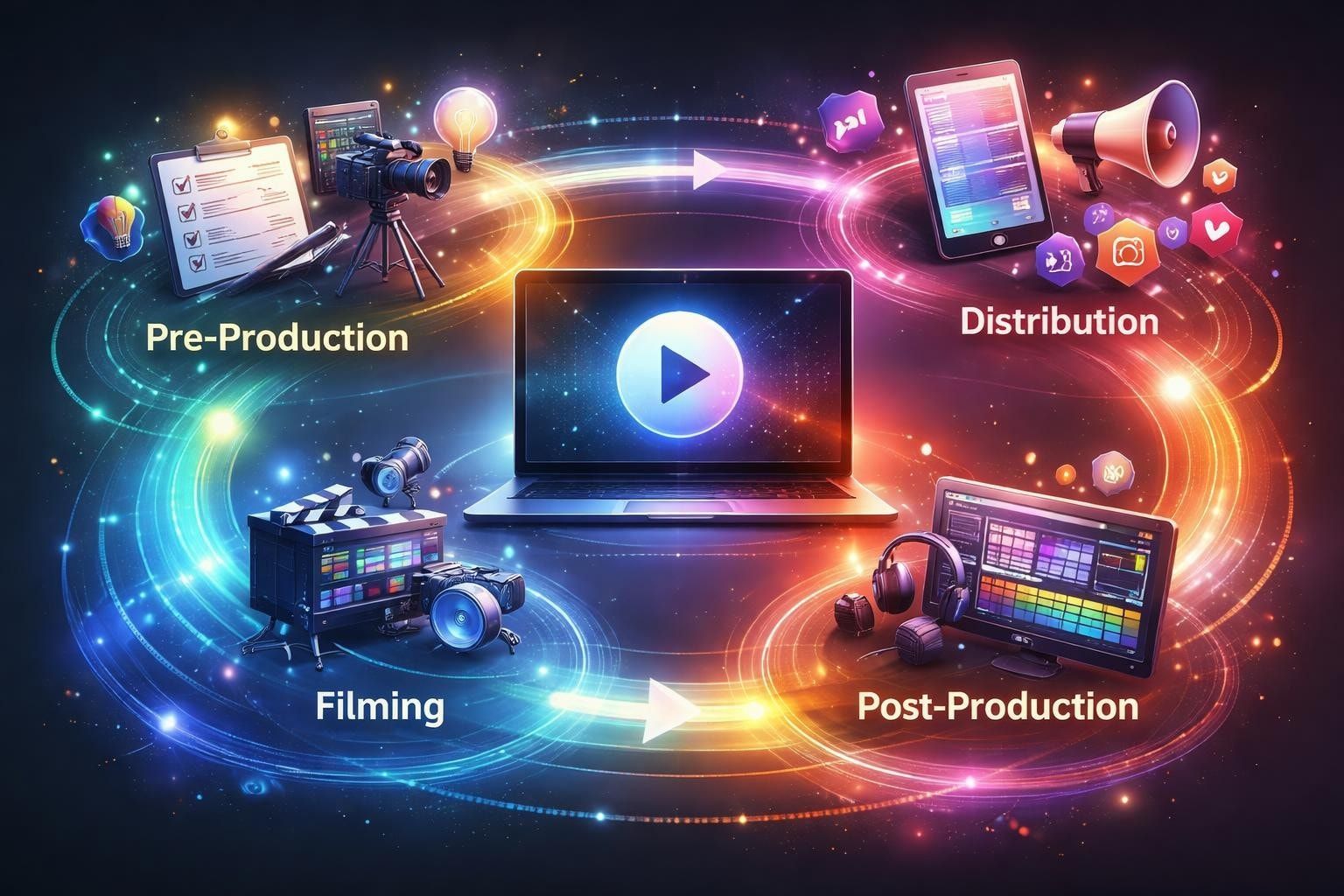
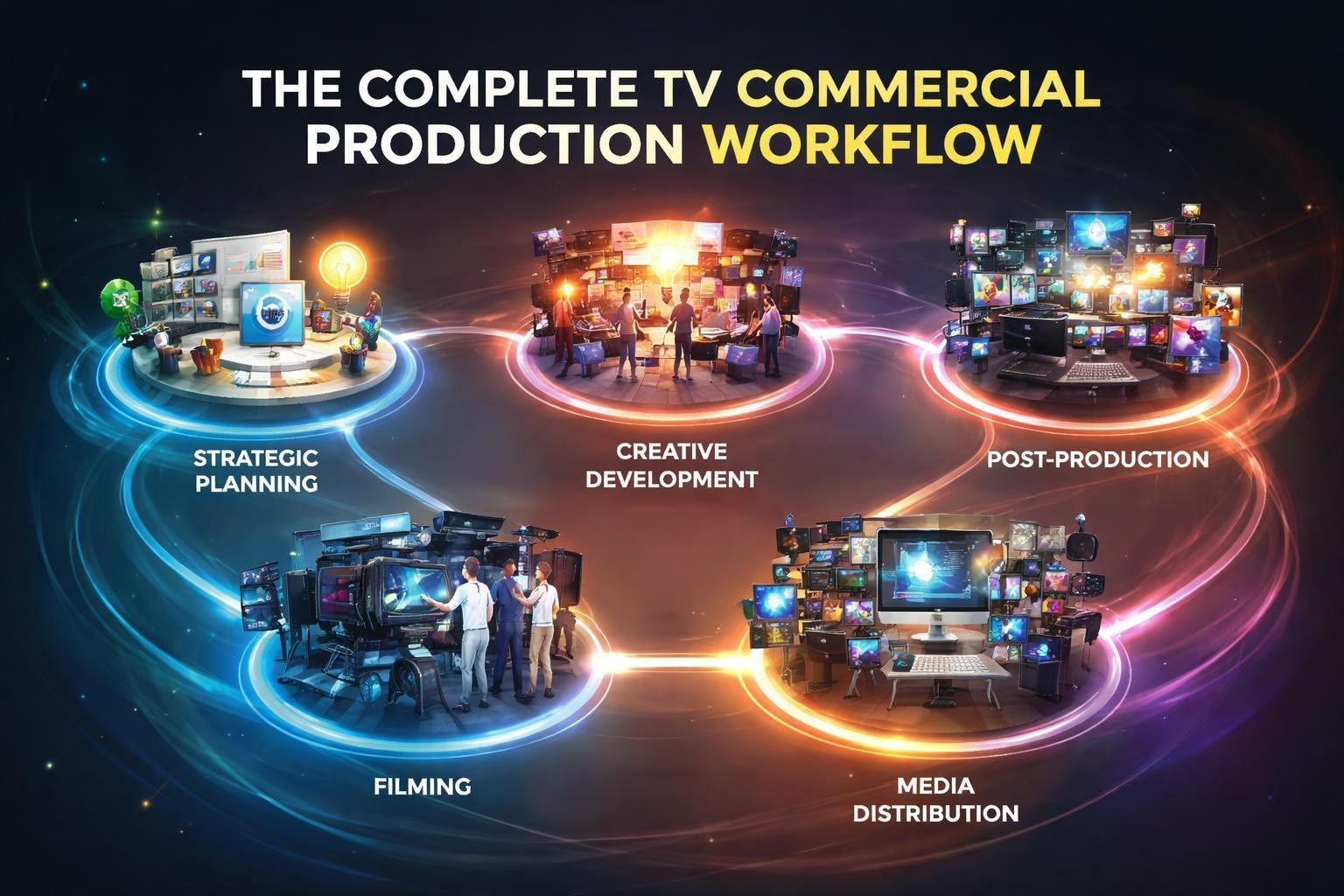
Pre-production planning often delivers the highest ROI by preventing expensive mistakes and ensuring efficient shooting schedules. Scripting, storyboarding, and location scouting reduce on-set improvisation that wastes time and money.
| Production Phase | Budget Allocation | Impact on Quality |
|---|---|---|
| Pre-Production | 15-20% | Prevents costly mistakes |
| Production | 40-50% | Captures raw material |
| Post-Production | 25-35% | Refines final product |
| Distribution | 10-15% | Ensures visibility |
Many businesses underinvest in post-production, limiting the polish that transforms good footage into quality video. Professional color grading, sound design, and motion graphics require time and expertise that budget allocations must accommodate.
Creating quality video requires balancing technical excellence, creative storytelling, and strategic business focus to deliver content that drives measurable results. Success depends on understanding industry standards, implementing professional production practices, and maintaining consistency across all content touchpoints. Whether you're developing commercial advertisements, corporate communications, or social media content, partnering with experienced professionals ensures your video investments generate real ROI. Viva Media specializes in creating high-performance video content that meets exacting quality standards while delivering the business results that matter most to forward-thinking brands throughout the Greater Toronto Area.