

Video content has transformed how organizations train, communicate, and showcase their project management capabilities. A project manager video serves multiple strategic purposes: onboarding new team members, demonstrating methodologies to stakeholders, documenting processes for consistency, and marketing professional expertise. For businesses in the Greater Toronto Area seeking to streamline operations and improve team performance, understanding how to leverage project manager video content delivers measurable advantages in 2026's competitive landscape.
Understanding Project Manager Video Content
Project manager video encompasses several distinct formats, each serving specific organizational needs. Training videos introduce project management fundamentals to new hires or team members transitioning into leadership roles. Documentary-style content showcases day-in-the-life perspectives that demystify the role for aspiring professionals. Process documentation videos create reusable resources that maintain consistency across projects and teams.
Educational institutions and professional development platforms have recognized the power of video for teaching complex concepts. Resources like Coursera's project management basics video demonstrate how visual learning accelerates comprehension of frameworks, methodologies, and strategic thinking patterns that define successful project leadership.
Key Benefits for Organizations
Organizations implementing project manager video strategies report significant improvements across multiple metrics:
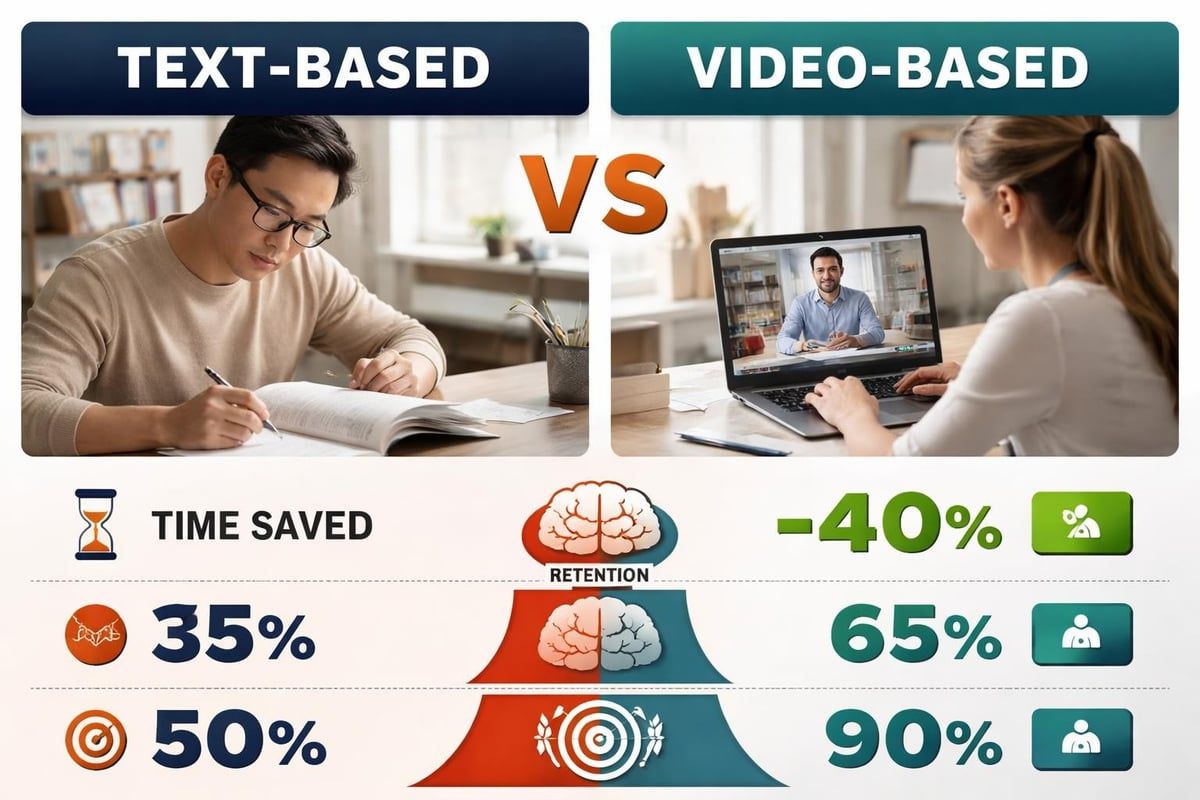
- Reduced onboarding time by 40-60% through standardized video training modules
- Increased knowledge retention compared to text-based documentation alone
- Consistent messaging across departments and geographic locations
- Scalable training programs that grow with the organization
- Enhanced stakeholder communication through visual project updates
Video content also serves recruitment and employer branding purposes. Companies showcasing their project management culture through authentic video content attract higher-quality candidates who understand the organization's values and working environment before applying.
Types of Project Manager Video Content
Different business objectives require distinct video approaches. Understanding these categories helps organizations invest resources strategically.
Educational and Training Videos
Corporate training videos teach specific methodologies like Agile, Scrum, Waterfall, or hybrid approaches. These productions typically range from 5-20 minutes and break complex topics into digestible segments. Many corporate video services now incorporate interactive elements, knowledge checks, and scenario-based learning.
Effective training video components:
- Clear learning objectives stated upfront
- Visual demonstrations of concepts
- Real-world examples relevant to the industry
- Actionable takeaways viewers can implement immediately
- Supplementary resources for deeper learning
Role Overview and Recruitment Videos
Organizations seeking to attract project management talent create videos explaining the project manager role, including responsibilities, required skills, and career progression opportunities. These videos humanize the position by featuring current team members discussing challenges, achievements, and daily workflows.
| Video Type | Primary Audience | Typical Length | Key Elements |
|---|---|---|---|
| Training Module | Internal teams | 10-15 minutes | Methodology, tools, processes |
| Recruitment | Job candidates | 2-5 minutes | Culture, role expectations, benefits |
| Client-Facing | Stakeholders | 3-7 minutes | Approach, past successes, value proposition |
| Process Documentation | Project teams | 5-12 minutes | Step-by-step workflows, templates |
Process Documentation Videos
Teams create screen-recorded walkthroughs demonstrating project management software, workflow sequences, and standard operating procedures. These reference materials reduce repetitive questions and ensure consistency across projects. Unlike live training sessions, documented processes remain accessible for team members working across different time zones or schedules.
Creating Effective Project Manager Video Content
Production quality directly impacts viewer engagement and information retention. While sophisticated equipment enhances results, focusing on content clarity and structure delivers greater value than expensive production alone.
Planning and Scripting
Successful project manager video production begins with thorough planning. Define specific learning outcomes or communication goals before scripting content. Outline key points, supporting examples, and visual elements that reinforce verbal information.
Pre-production checklist:
- Identify target audience and their current knowledge level
- Establish 3-5 core messages or learning objectives
- Gather relevant data, screenshots, or case study materials
- Create detailed script with visual cues
- Plan B-roll footage or graphics that support narration
- Schedule subject matter experts for interviews or presentations
Many organizations partner with video production companies to ensure professional results that reflect their brand standards. Professional teams bring technical expertise in lighting, audio, editing, and storytelling that elevates content quality significantly.
Visual Storytelling Techniques
Project management concepts often involve abstract processes that benefit from visual representation. Flowcharts, timelines, Gantt charts, and animated diagrams transform verbal explanations into comprehensible visuals. Screen recordings with highlighted cursor movements and annotations guide viewers through software interfaces or digital workflows.
Consider incorporating these visual elements:
- Animated process flows showing project phases
- Split-screen comparisons of different methodologies
- Real project timelines with actual milestones
- Team interviews providing diverse perspectives
- Before-and-after scenarios demonstrating impact

Technical Considerations
Audio quality matters more than visual perfection in educational content. Viewers tolerate moderate video quality but quickly abandon content with poor audio. Invest in quality microphones, record in quiet environments, and edit out background noise during post-production.
Lighting ensures subjects appear professional and content remains visually clear. Natural window light works well for simple setups, while three-point lighting configurations create polished results for formal presentations. The benefits of professional video production include access to equipment and expertise that optimize these technical elements.
Distributing and Implementing Video Content
Creating excellent project manager video content represents only half the equation. Strategic distribution ensures target audiences access, engage with, and apply the information effectively.
Internal Distribution Channels
Organizations typically host training videos on learning management systems (LMS), intranet portals, or project management platforms. Integration with existing workflows increases adoption rates. For example, embedding relevant process videos directly within project templates ensures team members access guidance precisely when needed.
Distribution best practices:
- Create organized video libraries with clear categorization
- Implement searchable metadata and transcripts
- Track viewing metrics to identify knowledge gaps
- Update content regularly as processes evolve
- Solicit feedback for continuous improvement
External Marketing Applications
Companies leverage project manager video content for thought leadership and client acquisition. Publishing educational content on YouTube, LinkedIn, and company websites establishes expertise while providing value to potential clients. Resources explaining project management responsibilities demonstrate organizational competence and transparency.
Professional services firms particularly benefit from this approach. When prospective clients search for project management expertise, video content showcasing methodology, team capabilities, and successful project outcomes builds credibility faster than text-based marketing materials alone.
Measuring Video Effectiveness
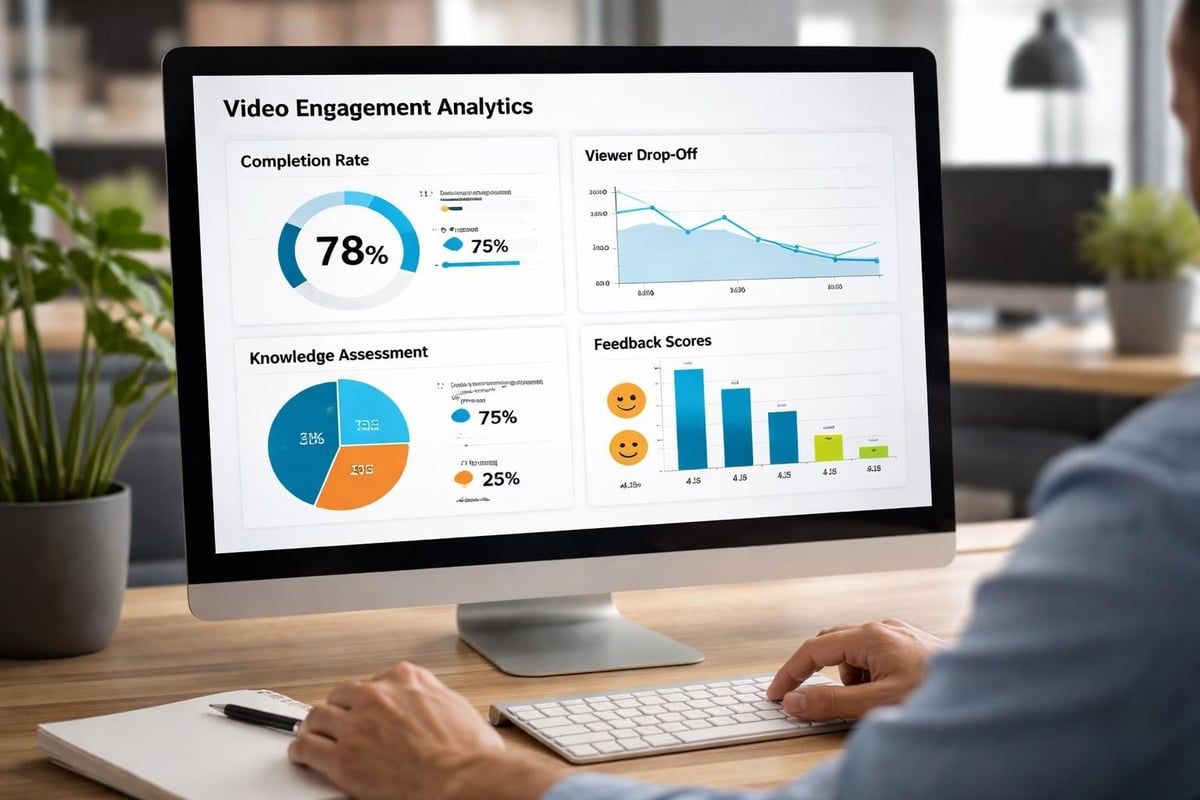
Data-driven organizations track project manager video performance across multiple dimensions. Analytics reveal which content resonates, where viewers lose interest, and how video consumption correlates with business outcomes.
Key Performance Indicators
| Metric | What It Measures | Target Benchmark |
|---|---|---|
| View completion rate | Content engagement | 60-80% for training videos |
| Knowledge assessment scores | Learning effectiveness | 15-25% improvement post-video |
| Time-to-productivity | Onboarding efficiency | 30-40% reduction |
| Employee satisfaction | Training quality perception | 4.0+ out of 5.0 |
| Stakeholder engagement | Client communication impact | Measured through feedback surveys |
Advanced platforms provide heatmaps showing exactly where viewers rewind, pause, or abandon content. These insights guide content refinement and identify topics requiring additional explanation or alternative presentation approaches.
Continuous Improvement Cycles
Leading organizations treat project manager video content as living resources requiring regular updates. Schedule quarterly reviews assessing content relevance, accuracy, and effectiveness. Technological changes, methodology updates, and organizational evolution necessitate corresponding video revisions.
Industry-Specific Applications
Different industries apply project manager video content in unique ways that reflect sector-specific challenges and regulatory requirements.
Technology and Software Development
Technology companies create videos documenting Agile ceremonies, sprint planning processes, and retrospective best practices. Development teams benefit from recorded standups and demo sessions that remote team members can review asynchronously. Videos explaining technical project management tools like Jira, Asana, or Monday.com reduce support tickets and accelerate tool adoption.
Construction and Manufacturing
These sectors use project manager video for safety training, equipment operation documentation, and site coordination protocols. Drone footage provides stakeholders with visual project progress updates more compelling than written status reports. Time-lapse videos compress months-long projects into minutes, demonstrating timeline adherence and milestone achievement.
Professional Services and Consulting
Consulting firms leverage video to standardize client onboarding, explain engagement processes, and showcase successful project outcomes. Client testimonials discussing the project manager's role in delivering results provide powerful social proof. Many firms exploring how to pivot industries as a project manager use video content to demonstrate transferable skills and cross-sector expertise.
Future Trends in Project Manager Video
Emerging technologies continue reshaping how organizations create and consume project manager video content. Staying ahead of these trends positions forward-thinking companies for competitive advantage.
Interactive and Personalized Content
Interactive videos allow viewers to choose their learning path based on experience level or specific interests. Branching scenarios present decision points where selections determine subsequent content, creating personalized learning experiences. Assessment questions embedded within videos ensure comprehension before progression.
Artificial intelligence enables automatic video personalization based on viewer role, department, or previous viewing history. New project managers receive foundational content while experienced practitioners access advanced strategy discussions.
Virtual and Augmented Reality Integration
Industries with complex spatial or equipment considerations increasingly adopt VR and AR for project management training. Construction project managers walk through digital building models, manufacturing supervisors practice line changeovers in virtual facilities, and event coordinators preview venue setups before physical installation.
These immersive experiences accelerate learning for visual and kinesthetic learners while reducing training costs associated with physical mockups or on-site practice sessions.
Short-Form and Mobile-Optimized Content
Attention spans continue fragmenting, driving demand for concise, mobile-friendly video content. Resources like project management basics explained in under three minutes demonstrate effective information compression. Organizations now create video series with 2-4 minute episodes rather than comprehensive 20-minute presentations.
Mobile optimization ensures content displays properly on smartphones and tablets, accommodating teams who increasingly access training materials during commutes, between meetings, or in field locations. Vertical video formats, once considered unprofessional, now dominate platforms where project management professionals consume content.
Production Resources and Partnerships
Organizations face a fundamental decision: develop internal video production capabilities or partner with specialized providers. Each approach offers distinct advantages depending on content volume, quality requirements, and available resources.
Internal Production Capabilities
Companies producing regular project manager video content often build internal expertise. Basic equipment investments-quality webcams, microphones, lighting kits, and editing software-enable subject matter experts to create serviceable content independently. This approach works well for process documentation, quick updates, and informal training materials.
Internal production advantages:
- Immediate content creation without external scheduling
- Lower per-video costs for high-volume production
- Direct control over messaging and revisions
- Organizational knowledge remains in-house
- Faster turnaround for time-sensitive content
Professional Production Partnerships
High-stakes content benefiting from professional polish-recruitment videos, client-facing presentations, comprehensive training programs-justifies professional production investment. Experienced teams bring diverse video solutions that internal resources typically cannot match.
Professional producers contribute strategic guidance beyond technical execution. They help refine messaging, identify compelling stories, and structure content for maximum impact. The collaborative process often reveals opportunities organizations hadn't considered, transforming basic concepts into strategic assets.
Maximizing Return on Investment
Project manager video content represents a significant organizational investment deserving strategic planning and measurement. Companies maximizing ROI approach video as integrated business tools rather than isolated marketing assets.
Content Repurposing Strategies
Extract maximum value from each production by repurposing content across multiple formats and channels:
- Edit long-form training videos into social media clips highlighting key concepts
- Extract audio for podcast distribution to reach auditory learners
- Generate transcripts for blog posts and written documentation
- Create animated GIFs from visual demonstrations for email campaigns
- Compile testimonial segments into recruitment highlight reels
Integration with Broader Initiatives
Video content achieves greatest impact when integrated with comprehensive organizational strategies. Align project manager video production with corporate video production initiatives, ensuring consistent branding, messaging, and quality standards across all visual communications.
Coordinate video release schedules with training calendars, product launches, or organizational changes. Strategic timing increases relevance and engagement while demonstrating how project management supports broader business objectives.
Project manager video content has evolved from nice-to-have supplementary materials into essential business tools that drive measurable improvements in training efficiency, team alignment, and stakeholder communication. Organizations that strategically invest in high-quality video production position themselves for competitive advantage in 2026's talent market and client landscape. Viva Media specializes in creating professional project manager video content that resonates with Toronto businesses seeking to elevate their training programs, strengthen their employer brand, and communicate complex project management concepts with clarity and impact.