
In 2026, product videos are setting a new standard for how brands engage and convert audiences. Businesses of all sizes are discovering that product videos not only capture attention but also drive measurable results in a crowded digital landscape.
This ultimate guide will reveal why product videos are now essential for success, covering the latest trends, proven ROI, must-have formats, a step-by-step creation process, optimization strategies, and ways to future-proof your video approach.
You will learn about innovative technologies reshaping the field, creative strategies that boost engagement, and actionable steps to craft videos that captivate and convert. Ready to transform your marketing for 2026? Dive in and lead the way with a video strategy built for tomorrow.
The Rise of Product Videos in 2026: Trends and Data
Product videos have become the cornerstone of digital marketing strategies in 2026. Businesses are leveraging these dynamic tools to engage audiences, simplify complex messages, and drive measurable results. As consumer habits evolve and technology advances, product videos are reshaping how brands connect with shoppers across every stage of the buyer journey.

Why Product Videos Dominate Modern Marketing
Choose between video, text and still images based on the product question the buyer needs answered. Show the product detail, physical action or screen sequence that answers that question.
Social media and ecommerce platforms are prioritizing video formats, making it easier for brands to feature product videos prominently. Major companies report higher engagement rates and increased sales when they use product videos on their websites and social feeds. These trends show that product videos are not just a passing fad, but a primary driver of business growth in 2026.
Key 2026 Trends Shaping Product Video Success
Several breakthrough trends are defining the success of product videos in 2026. AI-powered personalization enables brands to deliver dynamic video content tailored to individual viewer preferences, increasing relevance and engagement. Interactive and shoppable video experiences allow consumers to click on products within videos, streamlining the path to purchase.
Short-form vertical videos, optimized for mobile-first platforms like TikTok and Instagram Reels, are dominating attention spans and delivering higher conversion rates. Augmented reality and virtual reality are transforming product demonstrations, letting shoppers experience virtual try-ons or 3D product walkthroughs. For example, beauty and fashion brands are using AR try-ons to help customers make confident decisions.
Before planning a shoppable or interactive video, confirm that the intended account, region and placement support the feature. Include a fallback destination for viewers who cannot use it.
Consumer Expectations and Behaviors
Today’s consumers expect authenticity, transparency, and efficiency from product videos. Shoppers seek quick, informative, and visually compelling content that offers real value.
Popular formats include unboxing and real-user demo videos, which provide genuine insights into how products perform in real life. This demand for relatable, trustworthy content is driving brands to prioritize user-generated product videos and customer testimonials. By meeting these expectations, businesses can foster stronger relationships and turn viewers into loyal customers.
The Competitive Advantage of Early Adoption
Before adopting an interactive format, choose one product and one buyer question to test. Record the production and publishing costs, then compare the measured outcome with the baseline you agreed before launch.
Use the result to decide whether to expand, revise or stop the test. Record other changes to the offer, audience or website that could explain a difference.
The ROI of Product Videos: Conversions, Engagement, and Brand Lift
Product videos are proving to be one of the most effective marketing tools for driving business results in 2026. Their ability to combine storytelling, demonstration, and direct calls to action makes them essential for any brand focused on measurable impact.
How Product Videos Drive Conversions
Use a product video to show the feature or task that visitors need to understand. Test whether it helps them take the intended next step. A conversion lift must be measured for the actual page, audience and offer; it is not a fixed effect of adding video.
Visual storytelling helps simplify complex concepts, especially for SaaS and tech companies. A short explainer video can walk viewers through key features, leading to more sign-ups and demo requests. Product videos also allow brands to address common pain points and objections directly within the content.
For example, SaaS businesses often use product videos to highlight unique selling points and demonstrate real-life use cases. This approach not only informs the audience but also builds confidence in the product, leading to higher conversion rates.
Engagement Metrics That Matter
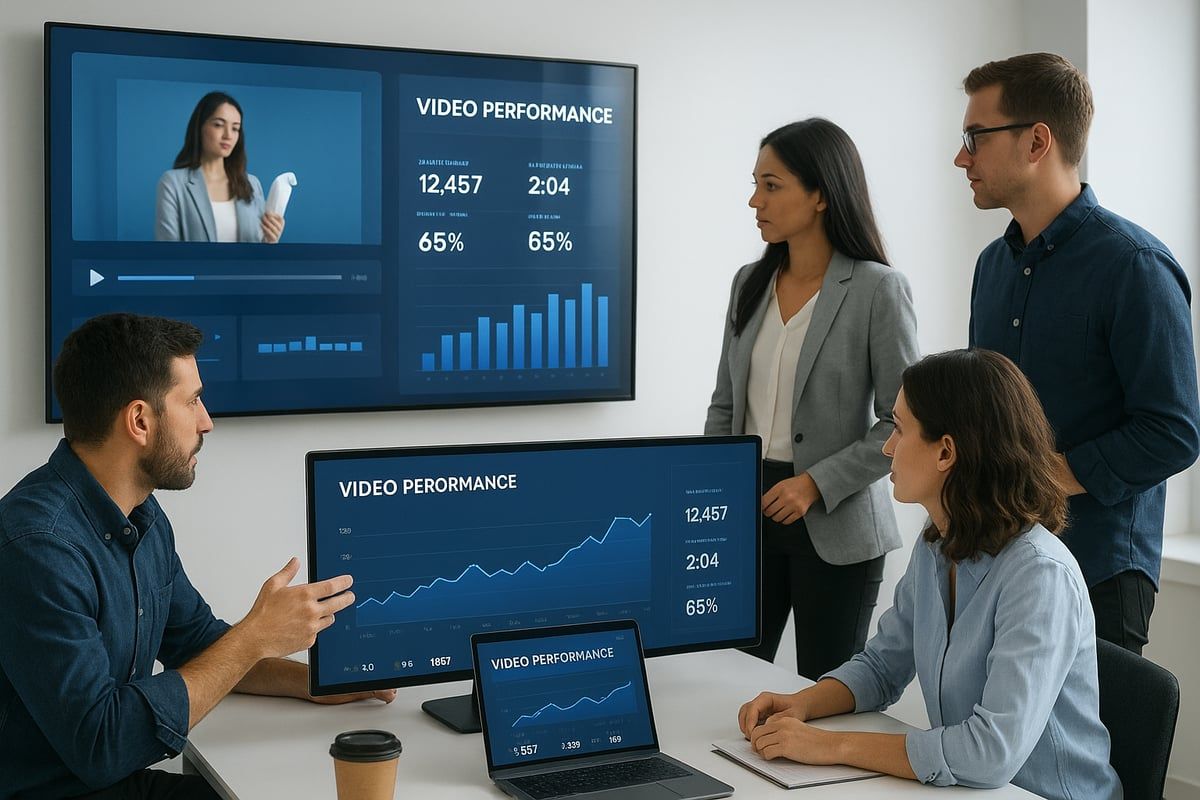
The success of product videos goes beyond conversions. Engagement metrics tell a compelling story about audience interest and interaction. Pages featuring product videos consistently see higher average watch times and lower bounce rates compared to those with only static images or text.
Record shares, comments and likes separately, using the platform definition and reporting period for each. Metrics such as likes, comments, and shares are strong indicators of content resonance and brand reach. For a deeper dive into these key benefits, explore our detailed guide on the benefits of video marketing.
Read the responses as well as the totals. Note the questions viewers ask and which ones the next video or product page needs to answer.
Building Trust and Brand Authority
Trust is a critical factor in purchase decisions, and product videos play a central role in building that trust. Authentic footage of products in real-world scenarios helps consumers understand exactly what they are buying. This transparency reduces uncertainty and positions the brand as reliable.
User-generated content (UGC) is another trust-building asset. When customers share their own product videos, it serves as social proof, validating the brand’s claims. Many successful brands now incorporate customer testimonials and real-user demo videos directly into their marketing strategies.
By showcasing genuine experiences and feedback, product videos elevate a brand’s authority and credibility in a crowded marketplace.
Measuring Product Video ROI
To maximize the impact of product videos, brands must choose performance indicators and their definitions. Key metrics include:
Total views
Average watch time
Click-through rate (CTR)
Conversion rate
Sales lift
Using analytics tools like Google Analytics or built-in platform insights provides real-time feedback on video performance. Many brands use A/B testing to compare different video placements, lengths, and calls-to-action, optimizing for the best results.
Consistently measuring these KPIs helps brands refine their strategies and ensure that product videos deliver measurable ROI.
Essential Product Video Formats for 2026
The landscape for product videos in 2026 is more dynamic than ever. Brands are embracing an array of video formats to engage audiences, boost conversions, and guide buyers at every stage. By mastering these essential product videos, your business can stay ahead of the curve and drive real results.
Overview of High-Impact Video Types
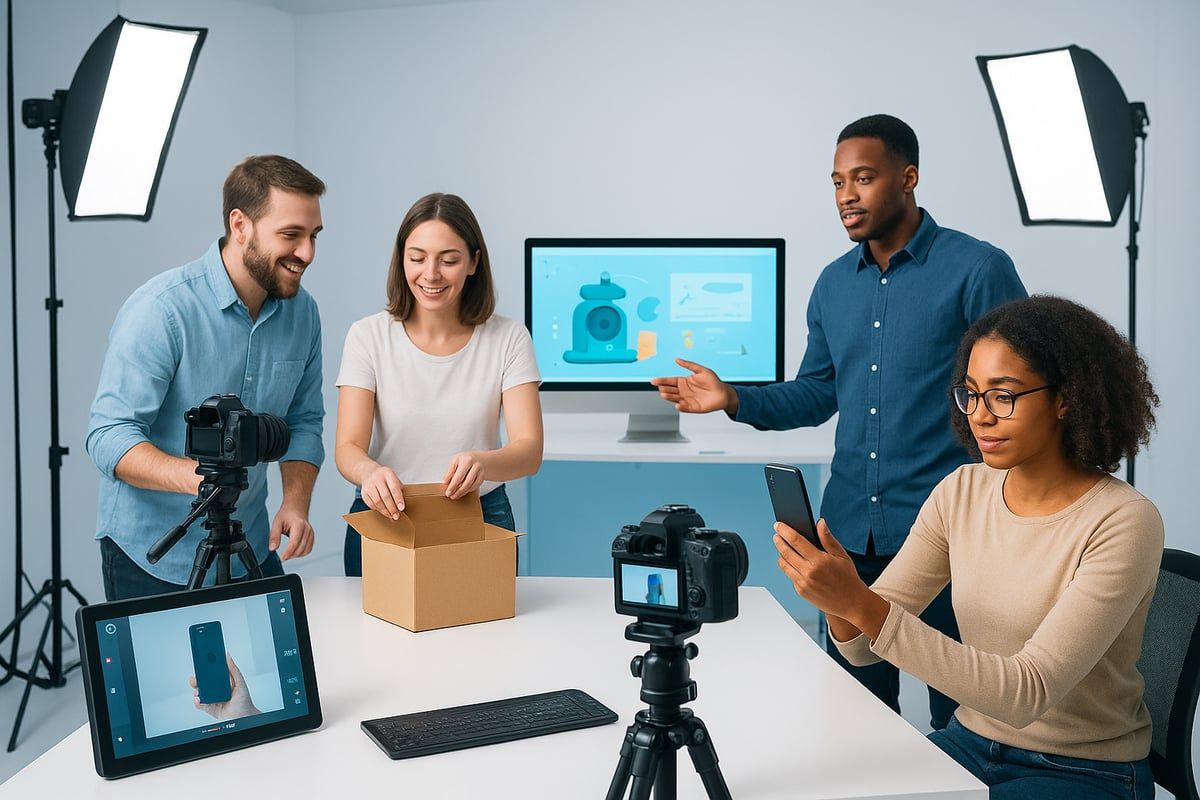
Product videos come in many forms, each tailored to specific buyer needs. The most effective types in 2026 include:
Demos: Showcasing real-time product use
Explainer videos: Breaking down features and benefits
Unboxings: Offering an authentic first-look experience
Testimonials: Sharing real user stories
Shoppable videos: Enabling direct purchases
Each format supports a stage in the buyer journey. Demo product videos build awareness, while testimonials and shoppable videos help drive conversions. For example, a skincare brand might use unboxing videos to highlight packaging and first impressions, then feature testimonials to build trust.
Blending these product videos keeps your content strategy robust and relevant.
Short-Form vs. Long-Form Product Videos
Short-form product videos, typically under 60 seconds, are ideal for social media feeds and paid ads. They capture attention quickly and deliver concise messages, making them perfect for mobile-first audiences. Long-form videos, on the other hand, provide detailed walkthroughs and in-depth education, which is especially valuable for complex products.
Statistically, short-form product videos see higher completion rates on mobile platforms. Use short clips for teasers or highlights, and reserve longer videos for product pages or YouTube channels. Finding the right balance between short and long-form content ensures you reach viewers at every stage of engagement.
Interactive and Shoppable Videos
Interactive product videos are transforming ecommerce in 2026. Features like clickable hotspots, embedded links, and real-time product info let viewers explore details and make purchases without leaving the video. This seamless experience increases engagement and shortens the purchase path.
For instance, fashion retailers use interactive and shoppable videos to let users tap on clothing items and buy instantly. Platforms such as Instagram and select ecommerce sites now support these advanced features. Brands that invest in interactive product videos can expect higher conversion rates and deeper customer engagement.
Vertical and Mobile-First Video Formats
With mobile usage at an all-time high, vertical product videos have become essential. Platforms like TikTok, Instagram, and Snapchat prioritize vertical video, delivering a more natural viewing experience for mobile users.
Best practices include using bold visuals, clear calls to action, and ensuring all key information fits within the vertical frame. Optimizing for mobile not only improves reach but also aligns with how today’s consumers browse and shop.
Animation and Motion Graphics in Product Videos
Animation and motion graphics play a crucial role when demonstrating complex or intangible products. Tech and SaaS brands often rely on animated product videos to visualize features that are difficult to show with live footage.
Animated explainers can simplify technical concepts, making them accessible and engaging. For more insights on how animation can drive business growth, visit this guide on animated explainer videos for business.
By incorporating animation, your product videos can stand out and communicate value with clarity.
Step-by-Step Guide: Creating Product Videos That Convert
Creating high-performing product videos requires a strategic approach. Follow this step-by-step guide to develop compelling videos that consistently drive engagement and conversions.

Step 1: Define Your Goals and Audience
Begin by clarifying the purpose behind your product videos. Are you aiming to increase brand awareness, drive sales, or educate your audience? Setting clear objectives helps shape every decision throughout the process.
Identify your target audience. Consider their demographics, preferences, and pain points. Knowing your viewers enables you to tailor messaging that resonates and addresses their needs. For example, B2B product videos may focus on ROI and efficiency, while B2C content often highlights lifestyle benefits and emotional appeal.
Outline key performance indicators early, such as click-through rates or sales lift. This ensures your product videos remain focused on measurable outcomes.
Step 2: Script and Storyboard Your Video
A strong script is the backbone of effective product videos. Focus on storytelling that highlights benefits and solves problems for your audience. Keep language clear and persuasive, and ensure each scene communicates value.
Use a storyboard to visualize the flow of your product videos. Sketch key scenes, transitions, and calls to action. This planning tool helps align your team and streamlines production. A storyboard also reveals pacing issues and ensures your message remains concise and engaging.
Collaborate with stakeholders during this stage to gather feedback and refine your narrative. Well-prepared scripts and storyboards set the stage for smooth filming.
Step 3: Choose the Right Video Format and Platform
Select the most suitable format for your product videos based on your objectives and where your audience spends time. Short-form videos under 60 seconds are ideal for social media and ads, while long-form content works well for in-depth tutorials or product walkthroughs.
Research the platforms that best align with your audience, such as YouTube, Instagram, TikTok, or your ecommerce site. Use your audience and referral reports to decide which channels deserve a test.
Match your product videos’ style and length to each channel’s requirements. This increases visibility and maximizes the chance of reaching potential customers.
Step 4: Production Best Practices
Invest in proper lighting, clear audio, and stable camera work to ensure your product videos appear professional. Incorporate your brand elements, such as logos and colors, to reinforce recognition throughout the video.
Add strong calls to action that guide viewers toward the next step. Depending on your budget, decide between DIY production or hiring professionals. Both options can yield excellent results when executed well.
Consider reviewing Video production tips for a global audience for detailed advice on adapting your product videos for diverse markets and ensuring your content resonates globally.
Step 5: Post-Production and Editing
Editing is where your product videos come to life. Trim footage for clarity, maintain a dynamic pace, and remove distractions. Add captions to improve accessibility and reach a wider audience.
Incorporate background music and graphics to enhance engagement. Test multiple versions of your product videos to determine which edits resonate best with viewers. Use feedback and analytics to refine your final cut before publishing.
A polished edit can be the difference between a forgettable video and one that drives action.
Step 6: Optimize and Distribute Your Video
Optimize your product videos by crafting clear, keyword-rich titles, descriptions, and tags. This improves search visibility across platforms and increases discoverability.
Distribute your product videos across multiple channels for maximum reach. Use scheduling tools to publish at peak times and coordinate promotional efforts across social, email, and your website.
Track performance using analytics tools. Adjust your approach based on data to ensure each product video continues to deliver strong results.
Optimization Strategies: Maximizing Reach and Impact
Unlocking the full potential of product videos requires more than just great visuals. Strategic optimization ensures your content reaches the right audience and drives measurable results. Explore actionable techniques to boost discoverability, engagement, and global impact.
Video SEO and Discoverability
Effective video SEO is essential for ensuring your product videos appear in search results and attract viewers. Start by researching targeted keywords that reflect your audience's intent. Incorporate these keywords into your video titles, descriptions, and metadata.
Design eye-catching thumbnails and craft compelling titles to increase click-through rates. Follow Google’s video search guidance to check whether the page and video can be discovered and indexed. For a deep dive into best practices, read these Video SEO and discoverability strategies.
Focus on keyword-rich metadata.
Use high-resolution, relevant thumbnails.
Write concise, engaging titles.
Social Media Algorithms and Placement
Social platforms like TikTok, Instagram, and YouTube prioritize video content in their feeds. To maximize reach, understand each platform's algorithm and post timing. Frequent, high-quality uploads are rewarded with increased visibility.
Analyze when your audience is most active and schedule product videos accordingly. For example, TikTok favors creators who consistently share engaging content. Testing different posting times can reveal optimal windows for engagement.
Research platform-specific algorithm updates.
Experiment with posting schedules.
Monitor engagement rates by time of day.
A/B Testing and Performance Analytics
Continuous improvement is key to successful product videos. Use A/B testing to compare different video lengths, formats, and calls-to-action. Track performance metrics such as watch time, drop-off rates, and conversion rates.
Compare thumbnail variants against a defined outcome, using enough comparable observations to assess the result. Use analytics tools to pinpoint what resonates with viewers and refine your strategy accordingly.
Metric | What to Track | Why It Matters |
|---|---|---|
Watch Time | Average duration | Indicates engagement |
Conversion Rate | Completed actions | Records completed actions; use the post-launch evidence checklist before drawing a financial conclusion. |
CTR | Click-through rate | Shows effectiveness |
Leveraging User-Generated Content (UGC)
User-generated content is a powerful trust signal for product videos. Encourage customers to create and share their own experiences.
Integrate UGC into your marketing campaigns to foster authenticity and community. Feature real customers using your products in video testimonials or reviews. This not only builds credibility but also expands your brand's reach organically.
Launch UGC contests or challenges.
Showcase customer stories on your channels.
Respond and engage with user creators.
Accessibility and Localization
Making product videos accessible and localized ensures you reach the widest possible audience. Add captions for viewers who are deaf or hard of hearing, and provide translations for global markets. Include audio descriptions for visually impaired users.
Global brands that localize their video content see significant boosts in engagement and retention. Accessibility is not just a best practice, it is a necessity for inclusive marketing.
Provide subtitles in multiple languages.
Ensure clear audio and descriptive narration.
Adapt visuals and messaging for cultural relevance.
Future-Proofing Your Product Video Strategy for 2026 and Beyond
Staying ahead in digital marketing means building a resilient and adaptable approach to product videos. As technology evolves and consumer expectations shift, future-proofing your video strategy ensures your brand remains visible, credible, and competitive.
Embracing Emerging Technologies
The landscape of product videos is rapidly changing as AI and immersive technologies become mainstream. AI-generated video content speeds up production and provides personalized experiences for viewers. Augmented and virtual reality tools allow users to interact with products virtually, offering features like 3D product views or virtual try-ons.
Brands using AR for product demos or introducing viewers to VR showrooms are already seeing higher engagement. By integrating these innovations, you position your product videos as cutting-edge, making a lasting impression on tech-savvy audiences.
Data-Driven Personalization
Personalization is now a core expectation. With access to real-time viewer data, brands can tailor product videos to individual preferences, boosting relevance and engagement. Dynamic video ads use customer behavior and demographics to deliver customized messages that resonate.
If you test different messages for audience segments, record what changed, how viewers were assigned and which outcome you measured. Keep the result tied to that test and its limits.
Sustainability and Ethical Storytelling
Consumers are increasingly drawn to brands that prioritize sustainability and ethical practices. Product videos that highlight eco-friendly materials, responsible sourcing, or zero-waste processes help build trust and differentiate your brand.
Showcasing transparency in your production methods through video not only informs but also inspires viewers. Ethical storytelling in product videos encourages deeper connections and aligns your brand with the values of modern shoppers.
Building a Scalable Video Content System
Scalability is essential for maintaining a consistent product videos strategy. Develop a library of approved, reusable video assets and templates that can be quickly adapted for campaigns across multiple platforms. Modular content allows for faster updates and efficient repurposing.
Successful brands create a system where product videos can be refreshed or localized with minimal effort, ensuring your message is always relevant and timely.
Measuring Long-Term Impact and Iteration
Continuous measurement is key to refining your product videos approach. Set up feedback loops using analytics tools to track performance over time. Monitor metrics like lifetime value, watch time, and engagement to understand the true impact of your content.
By analyzing results and iterating on your strategy, you ensure your product videos continue to deliver value as trends and platforms evolve. This ongoing process helps future-proof your investment and keeps your brand ahead of the curve.
As you’ve seen throughout this guide, the future of product videos is dynamic—combining innovation, strategy, and measurable results to propel your brand’s success in 2026 and beyond. If you’re ready to turn these insights into a real competitive edge, let’s connect. At Viva Media, we specialize in crafting high-performance video content that resonates with audiences and drives ROI. Whether you want to showcase your products, boost engagement, or future-proof your video strategy, we’re here to help you achieve your goals. Take the next step and Talk with a producer with our team today.