

The explosive growth of product video advertisement is transforming digital marketing, offering brands unmatched ROI and engagement. In this guide, discover proven strategies to create, optimize, and leverage product video advertisement for success in 2026.
Explore the latest video trends, essential production steps, platform-specific tactics, measurement methods, and future innovations. Data-driven insights and actionable tips pave the way for mastering every aspect of product video advertisement.
Ready to elevate your brand? Let this roadmap lead you to video ad excellence in the evolving digital landscape.
The Evolution of Product Video Advertising: Trends Shaping 2026
The landscape of product video advertisement is transforming rapidly, with digital video now leading the charge in customer engagement and brand storytelling. As we approach 2026, brands must understand these key shifts to remain competitive and relevant.

The Shift from Traditional to Digital-First Campaigns
Static ads are steadily losing ground as product video advertisement becomes the dominant force in digital marketing. By 2026, video ads are projected to account for 82% of all consumer internet traffic (Cisco). Brands are reallocating budgets from print and TV to digital-first campaigns, recognizing video’s ability to capture attention and drive measurable results. According to the Video Advertising Market Analysis, this shift is boosting global market growth and reshaping advertising strategies.
Rise of Short-Form and Vertical Video Content
Short-form video platforms like TikTok, Instagram Reels, and YouTube Shorts are redefining the product video advertisement format. Audiences now prefer quick, visually engaging stories that fit seamlessly into their mobile experiences. HubSpot reports that short-form videos achieve 2.5x higher engagement rates than longer formats. Direct-to-consumer brands are excelling with 15-second product demos, making every second count and maximizing impact in a crowded digital space.
Personalization and AI-Driven Video Ads
AI technology is revolutionizing product video advertisement by enabling hyper-personalized content tailored to individual viewers. Dynamic video ads now adjust visuals, messaging, and offers in real time based on user data and behavior. For example, a video ad might showcase different product colors depending on a viewer’s browsing history. According to Think with Google, this level of personalization increases purchase intent by 20%, making AI-driven video campaigns a must-have for forward-thinking brands.
Interactive and Shoppable Video Experiences
Product video advertisement is becoming more interactive, with clickable product tags, in-video calls-to-action, and augmented reality try-ons. Retailers are using shoppable videos on Instagram and TikTok to let consumers purchase directly from the ad experience. These innovations turn passive viewers into active shoppers, boosting conversion rates and streamlining the path from discovery to purchase. As a result, brands are seeing measurable lifts in sales and engagement.
Emphasis on Authenticity and User-Generated Content (UGC)
Modern consumers crave authenticity, making user-generated content a cornerstone of effective product video advertisement. Brands are featuring real customer stories, reviews, and testimonials within their ads to build trust and credibility. According to Stackla, 79% of consumers say UGC strongly influences their buying decisions. By integrating genuine voices into campaigns, brands foster deeper connections and increase the likelihood of conversion.
Sustainability and Social Responsibility in Video Messaging
The demand for ethical and transparent storytelling in product video advertisement is at an all-time high. Consumers want to support brands that align with their values, prompting companies to highlight sustainability efforts and social responsibility in their videos. Eco-friendly product launches and behind-the-scenes content showcasing responsible sourcing are resonating with audiences, building brand loyalty and trust.
Key Takeaways for 2026
In summary, the evolution of product video advertisement is defined by digital-first strategies, short-form content, AI-powered personalization, interactive shopping, authenticity, and a commitment to ethical storytelling. Brands that embrace these trends will be best positioned for success in 2026, capturing audience attention and driving meaningful results in an increasingly competitive digital world.
Step-by-Step Guide: Creating High-Performance Product Video Ads
Creating a high-performance product video advertisement in 2026 requires a strategic approach. Each stage, from goal-setting to testing, plays a critical role in ensuring your video captivates, converts, and delivers a strong ROI. Let us break down the process into actionable steps for your next campaign.
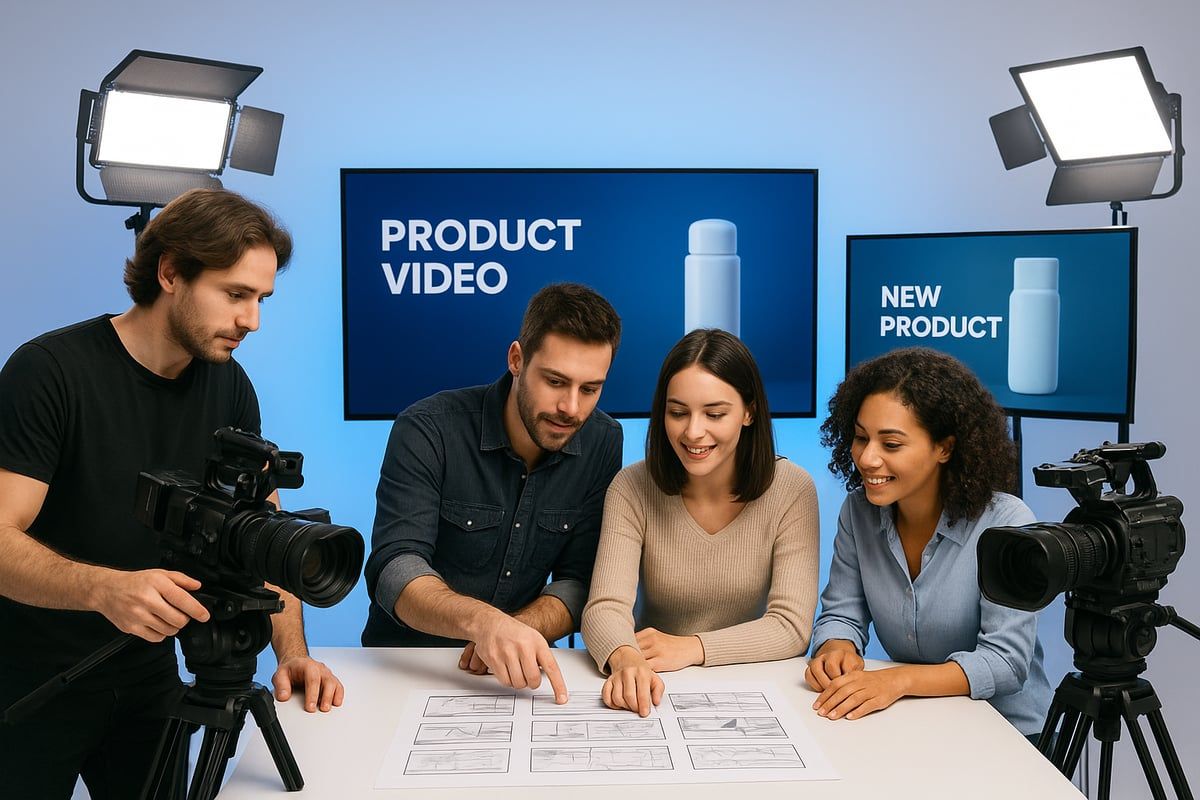
Step 1: Define Objectives and Target Audience
Every successful product video advertisement starts with clear objectives. What do you want to achieve—brand awareness, lead generation, or direct sales? Setting measurable goals enables you to track progress and optimize your strategy.
Next, identify your target audience. Develop detailed personas based on demographics, interests, and online behavior. This ensures your messaging resonates and increases the likelihood of engagement.
For example, a tech company launching a wearable might target Gen Z with interactive, fast-paced content. Aligning your product video advertisement to audience needs boosts relevance and impact.
Step 2: Craft a Compelling Script and Storyboard
The script and storyboard form the creative backbone of your product video advertisement. Focus on concise messaging that highlights your product’s value proposition within the first few seconds.
Use storytelling elements that evoke emotion or solve a problem. Consider before-and-after scenarios to visually demonstrate transformation. Include a clear call to action so viewers know what to do next.
Break the narrative into simple, visual scenes. This approach streamlines production and ensures your product video advertisement remains engaging from start to finish.
Step 3: Select the Right Video Format and Style
Choosing the ideal format is crucial for your product video advertisement. Popular options include explainer videos, product demos, testimonials, and lifestyle clips.
Use the table below to compare formats:
| Format | Best For | Key Feature |
|---|---|---|
| Explainer | SaaS, Tech | Simplifies concepts |
| Demo | E-commerce, Gadgets | Shows functionality |
| Testimonial | Services, Retail | Builds trust |
| Lifestyle | Fashion, Wellness | Inspires aspiration |
Explainer videos, for instance, can increase conversion rates by 34 percent. Match the style of your product video advertisement to your brand and audience preferences.
Step 4: Production Best Practices for 2026
Modern production techniques elevate your product video advertisement. Prioritize high-quality lighting, crisp audio, and steady camera work to create a professional look.
Leverage remote production and virtual sets to streamline workflows and reduce costs. Brands are increasingly using 3D animation for dynamic product visualization.
For more in-depth guidance, explore Essential video production tips to ensure your product video advertisement stands out. Investing in quality enhances viewer trust and engagement.
Step 5: Optimize for Each Platform and Device
Tailor your product video advertisement to suit the requirements of each platform. Instagram, TikTok, and YouTube all have unique video specs, aspect ratios, and audience behaviors.
Focus on mobile-first design and vertical orientation for social platforms. For e-commerce sites, use landscape or square formats to maximize product visibility.
E-commerce brands have found success with vertical videos in social ads, as they fill the screen and drive higher engagement. Always preview your product video advertisement on multiple devices before launch.
Step 6: Incorporate Interactive and Shoppable Elements
Enhance your product video advertisement with interactive features. Add clickable CTAs, product tags, and AR experiences directly within the video.
For example, beauty brands now offer virtual try-ons, allowing viewers to test products in real time. Shoppable videos on Instagram and TikTok make the path from discovery to purchase seamless.
Integrating these elements transforms your product video advertisement from passive viewing to active engagement, increasing both conversion rates and customer satisfaction.
Step 7: Test, Analyze, and Iterate
Continuous improvement is vital for a winning product video advertisement strategy. Conduct A/B tests on creative elements, calls to action, and video length to see what resonates with your audience.
Use analytics tools to track key metrics, such as view rates, click-through rates, and conversions. Retailers often optimize thumbnails and video intros to boost engagement.
Review results regularly and refine your product video advertisement based on data-driven insights. Iterative testing ensures your campaigns stay relevant and effective in a rapidly changing landscape.
Platform-Specific Strategies: Maximizing Reach and ROI
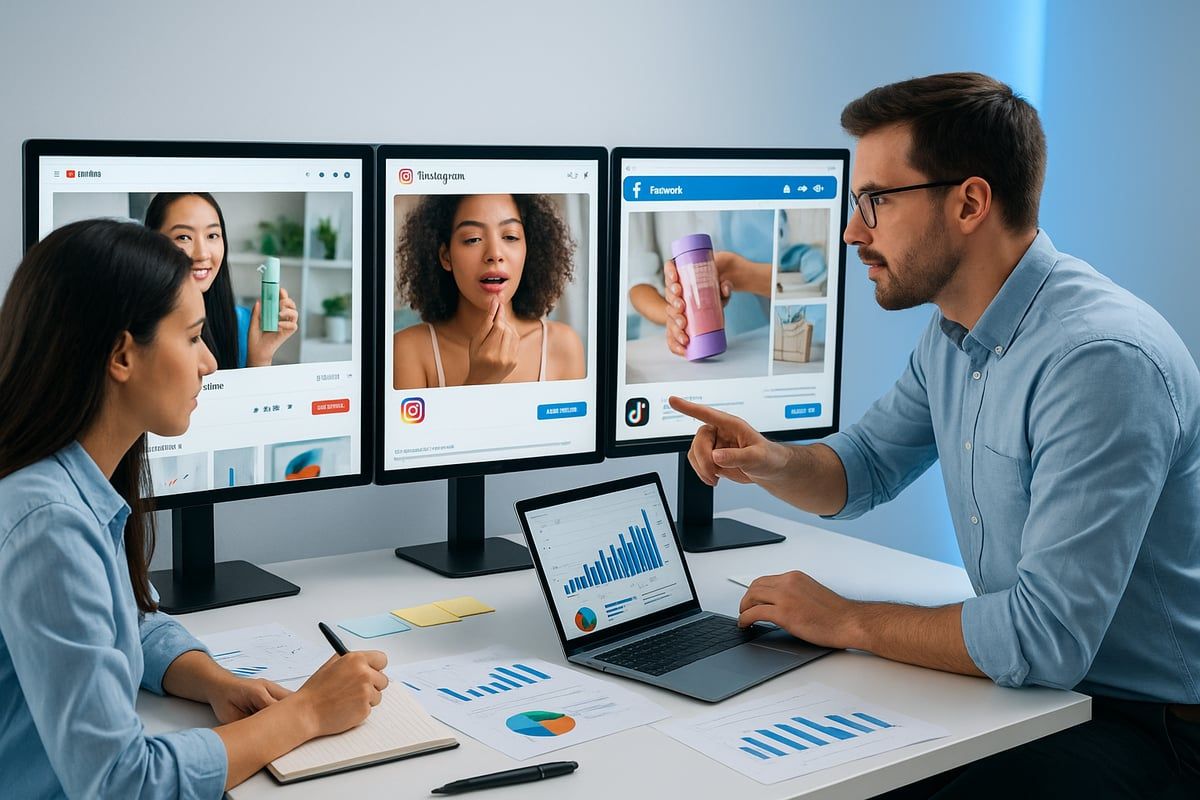
To maximize your product video advertisement results in 2026, it is essential to tailor your approach to each platform’s unique features and audience behaviors. Each channel offers distinct opportunities for reach, engagement, and ROI. Let’s break down the strategies that drive measurable success on the most influential platforms.
YouTube Product Video Ads
YouTube remains a powerhouse for product video advertisement campaigns, offering a range of ad formats such as skippable, non-skippable, and bumper ads. Brands launching tech products often use YouTube pre-roll ads to generate buzz before a release. According to Google, YouTube ads deliver 20% higher recall compared to traditional TV, making them ideal for both awareness and conversion goals.
To maximize ROI, customize your product video advertisement to align with YouTube’s best practices. Use concise messaging, engaging visuals in the first five seconds, and clear calls-to-action. A/B test different ad formats and leverage YouTube Analytics to track watch time, click-through rates, and conversions. This data-driven approach ensures your investment in product video advertisement yields measurable results.
Instagram and TikTok Video Ads
Short-form content dominates Instagram Reels and TikTok, making these platforms perfect for creative, high-impact product video advertisement. Fashion and beauty brands thrive by using influencer-led Reels or TikTok videos, often featuring quick product demos or storytelling. TikTok reports that users are 1.7x more likely to purchase products they discover on the platform.
For best results, keep your product video advertisement under 30 seconds, use vertical video, and incorporate trending audio or effects. Leverage platform-specific features like shoppable tags and interactive stickers. For more actionable tactics, explore optimizing social media video ads to improve reach and maximize ROI on these channels. Always monitor engagement metrics like shares, saves, and completion rates to fine-tune your strategy.
Facebook and Meta Platforms
Facebook’s suite of ad placements, including in-feed, Stories, and Marketplace video ads, provides robust targeting for product video advertisement. Local businesses and global brands alike can segment audiences by demographics, interests, and behaviors for precision marketing. Marketplace videos, in particular, help products stand out in a crowded shopping environment.
To succeed, ensure your product video advertisement is visually engaging even without sound, as many users watch with audio muted. Use captions, bold graphics, and a clear value proposition upfront. Test different placements and creative variations to identify what resonates most with your target audience. Consistent analysis of ad performance will help drive higher ROI and sustained campaign growth.
E-commerce and Marketplace Integration
Integrating product video advertisement directly within e-commerce platforms like Amazon and Shopify is a proven way to boost conversions. Product demo videos on Amazon listings, for example, can increase sales by up to 30% according to Amazon’s internal data. These videos provide shoppers with visual proof, build trust, and reduce purchase hesitation.
For maximum impact, tailor your product video advertisement to highlight unique selling points and address common customer questions. Use lifestyle footage, close-up shots, and on-screen text to showcase product features. On your own DTC website, position videos above the fold for immediate engagement. Continually review analytics to identify which video content drives the most conversions and adjust your strategy accordingly.
Emerging Platforms and Channels
The landscape for product video advertisement continues to expand with the rise of Connected TV (CTV), streaming services, and in-app video ads. Brands are increasingly experimenting with interactive ads on platforms like Roku and Hulu, enabling viewers to engage directly with products from their living rooms.
To stay ahead, adapt your product video advertisement for large screens and interactive elements. Test new channels early, monitor performance, and be ready to shift budgets to emerging opportunities that best fit your audience. Remaining agile in this evolving environment will ensure your brand capitalizes on every channel that delivers measurable reach and ROI.
Measuring Success: Metrics, Analytics, and Optimization
To maximize the impact of your product video advertisement campaigns, it is crucial to measure performance with precision. Understanding what works, optimizing based on data, and benchmarking against industry standards will help refine your strategy for ongoing success.

Key Performance Indicators (KPIs) for Video Ads
When evaluating a product video advertisement, focus on KPIs that reveal true campaign effectiveness. Core metrics include view count, average watch time, click-through rate (CTR), conversion rate, and overall ROI.
Comparing pre- and post-campaign metrics provides a clear picture of improvement. For instance, tracking increases in CTR or conversion rate after creative changes can highlight what resonates with your audience.
Attribution Models and Multi-Touch Tracking
Attribution models help you understand how each touchpoint influences the customer journey in a product video advertisement campaign. Multi-touch tracking assigns value to every interaction, not just the final click.
Using tools such as Google Analytics or Facebook Pixel, you can map the path users take before converting. This comprehensive view enables smarter budget allocation and improved targeting.
Tools and Platforms for Video Analytics
Robust analytics tools are essential for extracting actionable insights from your product video advertisement data. Platforms like YouTube Analytics and TikTok Insights offer detailed breakdowns of viewer demographics, engagement, and retention.
For deeper analysis, third-party solutions like Vidyard or Wistia can provide granular data on individual viewer behavior, helping brands refine their messaging and creative choices.
Continuous Optimization Strategies
Continuous optimization is key to maintaining high performance for your product video advertisement. Start with A/B testing elements such as thumbnails, intros, and calls-to-action to identify what drives engagement.
Leverage insights from analytics to refresh creative assets and retarget audiences. For more actionable tactics, explore Effective video ad strategies to boost your campaign success.
Benchmarking Against Industry Standards
Benchmarking ensures your product video advertisement results are competitive. For example, the average video ad CTR is 1.84% (Wordstream, 2023), serving as a baseline for performance evaluation.
| Metric | Industry Average |
|---|---|
| CTR | 1.84% |
| Conversion | 2-5% |
| Watch Time | 15-30 sec |
Stay informed on evolving benchmarks by referencing resources like the Digital Video Advertising Forecast, which highlights emerging trends and performance standards.
Innovations and Future-Proofing Your Product Video Strategy
As the digital landscape rapidly evolves, future-proofing your product video advertisement strategy is essential to maintain a competitive edge. Brands must embrace new technologies, ethical standards, and evolving privacy norms. The following innovations are reshaping how businesses create, deliver, and optimize product video advertisement campaigns for 2026 and beyond.
AI and Automation in Video Creation
Artificial intelligence is revolutionizing the way product video advertisement content is produced. Automated editing tools, AI-powered storyboarding, and scalable personalization enable brands to generate dozens of video ad variants quickly. According to the IAB Report on GenAI in Video Ads, nearly 90 percent of advertisers will use generative AI for video ad creation by 2026.
Brands now leverage AI to:
- Edit footage efficiently
- Personalize messaging at scale
- Localize content for global audiences
This shift allows for faster turnaround and more targeted product video advertisement strategies.
AR, VR, and Immersive Video Experiences
Augmented reality and virtual reality are transforming the viewer experience. Product video advertisement campaigns now incorporate AR features, such as interactive 3D models and virtual try-ons. Retailers in the furniture and beauty sectors use AR to let customers visualize products within their own environments.
VR brings immersive storytelling, letting viewers explore digital showrooms or experience products firsthand. These technologies increase engagement and can drive higher conversion rates, making them vital for brands looking to stand out in 2026.
Data-Driven Personalization and Predictive Analytics
Personalization remains a top priority for product video advertisement success. Using predictive analytics and large language models, brands can deliver tailored video content to specific audience segments. The LLM-Generated Ads Study demonstrates how AI can craft persuasive, custom ad elements in real time.
Benefits include:
- Higher engagement rates
- Improved targeting efficiency
- Increased purchase intent
Data-driven strategies ensure each product video advertisement resonates with viewers, maximizing ROI.
Sustainability and Ethical Storytelling
Consumers are increasingly prioritizing brands that demonstrate ethical practices and environmental responsibility. Product video advertisement campaigns now highlight sustainable sourcing, eco-friendly packaging, and transparent supply chains.
Effective approaches include:
- Behind-the-scenes videos showing sustainable processes
- Storytelling that emphasizes social impact
- Certifications or third-party validations
Brands that embrace sustainability in their messaging build trust and long-term loyalty.
Preparing for Privacy Changes and Cookie-Less Targeting
With new privacy regulations and the decline of third-party cookies, brands must rethink how they target audiences. Product video advertisement strategies now rely on first-party data, contextual targeting, and privacy-compliant analytics.
Key tactics:
- Collecting consent-based data
- Leveraging CRM and loyalty program insights
- Adapting creative for contextual relevance
Staying proactive ensures compliance and maintains effective audience targeting.
Staying Ahead: Continuous Learning and Adaptation
Innovation in product video advertisement is ongoing. Brands must commit to continuous learning, monitoring market trends, and adapting to new technologies. Investing in team training, creative experimentation, and regular platform updates is essential.
By remaining agile and open to change, businesses can future-proof their product video advertisement efforts and sustain growth in an ever-evolving landscape.
As you’ve seen, creating high-performing product video ads for 2026 means blending the latest trends, smart strategy, and authentic storytelling to drive real business results. If you’re ready to put these strategies into action and want a partner who understands how to turn attention into measurable ROI, let’s take the next step together. At Viva Media, we specialize in crafting video content that not only stands out but delivers for your brand. Ready to discuss your vision and goals? Book a strategy session and let’s start building your success story.