
In 2026, motion graphics video production is transforming how brands connect, educate, and inspire across every digital platform. The possibilities for creativity and engagement have never been greater.
This guide gives you a complete, step-by-step blueprint to master the process, from first idea to final delivery. Whether you are a marketer, creative, or business leader, you will discover how to use the latest techniques for measurable impact and ROI.
Explore what motion graphics are, why they matter for business, and how to navigate each stage of production. Get ahead with key tools, trends, real-world examples, and proven tips to ensure your success in the evolving digital landscape.
What Are Motion Graphics? Defining the Medium in 2026
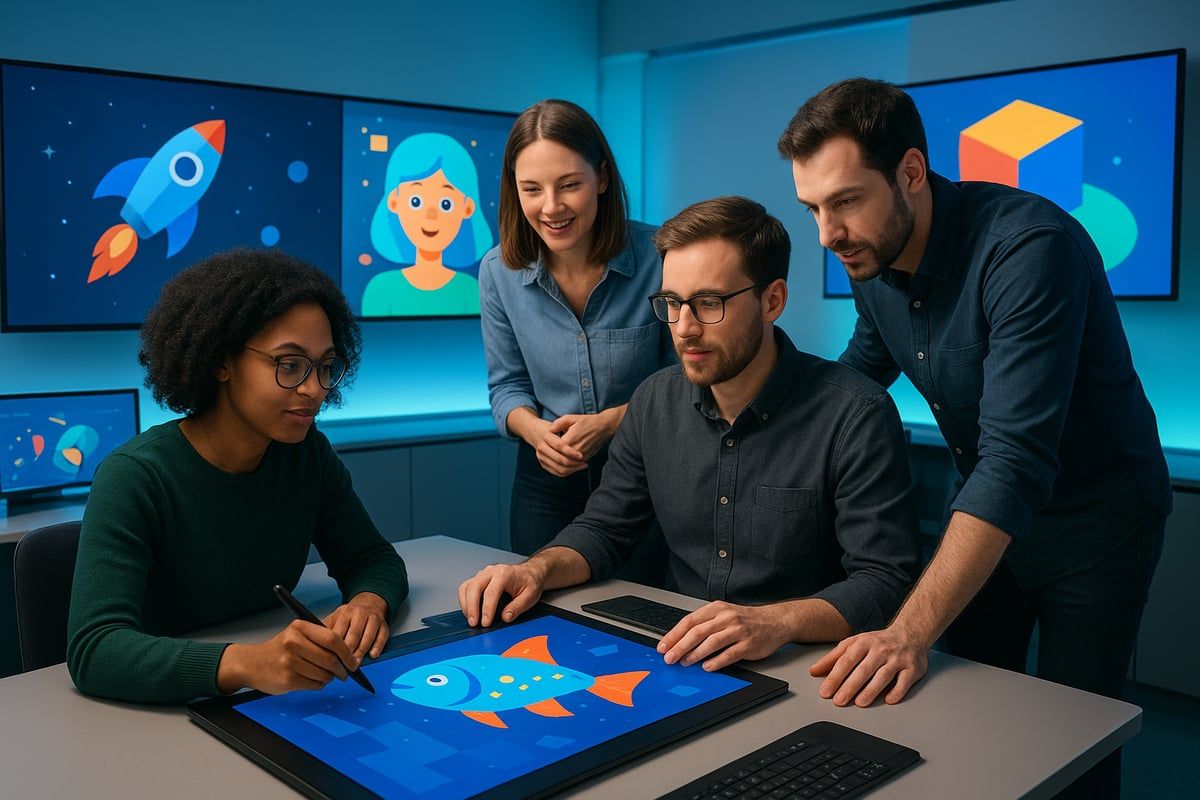
Motion graphics video production has become a cornerstone of visual communication in 2026, blending design, animation, and storytelling to captivate audiences. Unlike static graphics, motion graphics add energy and movement, making messages more memorable and engaging across digital platforms.
The Evolution of Motion Graphics
Motion graphics originated as simple animated shapes and text, evolving into a sophisticated medium used by brands worldwide. Over the past decade, motion graphics video production has shifted from basic transitions to AI-driven, real-time visuals that adapt to data and audience behavior.
This evolution is closely tied to advances in digital marketing and storytelling. Today, brands use motion graphics in explainer videos, product demonstrations, and digital ads to simplify information and drive results. In 2026, the integration of AI and real-time rendering tools has made it possible to create dynamic, personalized content at scale.
The convergence of 2D, 3D, and mixed media animation continues to push creative boundaries, ensuring motion graphics video production remains at the forefront of brand communication.
Types and Styles of Motion Graphics Videos
Motion graphics video production encompasses a wide range of types and styles, each suited for different goals. The two main categories are 2D and 3D motion graphics. While 2D is perfect for flat, vector-based designs and infographics, 3D brings depth and realism to product demos and immersive brand stories.
Emerging in 2026 are styles like photorealistic animation, AR-integrated graphics, and interactive elements that invite viewers to participate. Popular techniques include isometric layouts, character-driven stories, and kinetic typography for impactful messaging.
Use cases span explainer videos, brand campaigns, commercials, and animated infographics, especially in sectors like healthcare and technology. Aligning the visual approach with brand identity ensures every video resonates with its intended audience.
Business Impact: Why Motion Graphics Matter
Motion graphics can present diagrams, text and product details in sequence. Compare the design, animation, sound and review work with the filming needs of a live-action approach before choosing a format.
Use the video pricing and scope worksheet to compare estimates for the same deliverables.
Motion graphics video production offers a cost-effective way to stand out in crowded digital spaces, delivering clear messaging and lasting brand impact.
Motion Graphics vs. Other Video Formats
Motion graphics video production stands apart from live-action, traditional animation, and static content in several key ways. The time and budget depend on the designs, animation, supplied assets and review requirements.
A hybrid approach is gaining popularity in 2026, where motion graphics are layered over live-action footage or combined with other animation styles. For example, event highlight videos often feature animated overlays to emphasize key moments and data points.
Choosing the right format depends on campaign objectives. While motion graphics excel at visualizing abstract ideas, live-action may be better for emotional storytelling. The trend toward mixed media ensures brands can leverage the strengths of each format as part of a comprehensive motion graphics video production strategy.
The Complete Motion Graphics Video Production Process
Navigating the motion graphics video production process in 2026 requires a blend of creativity, strategy, and technical mastery. Each phase, from initial discovery to final delivery, builds on the last to ensure a seamless and impactful result. Let us explore each step, offering best practices and actionable insights for professionals and teams in the evolving digital landscape.
Step 1: Discovery & Strategy
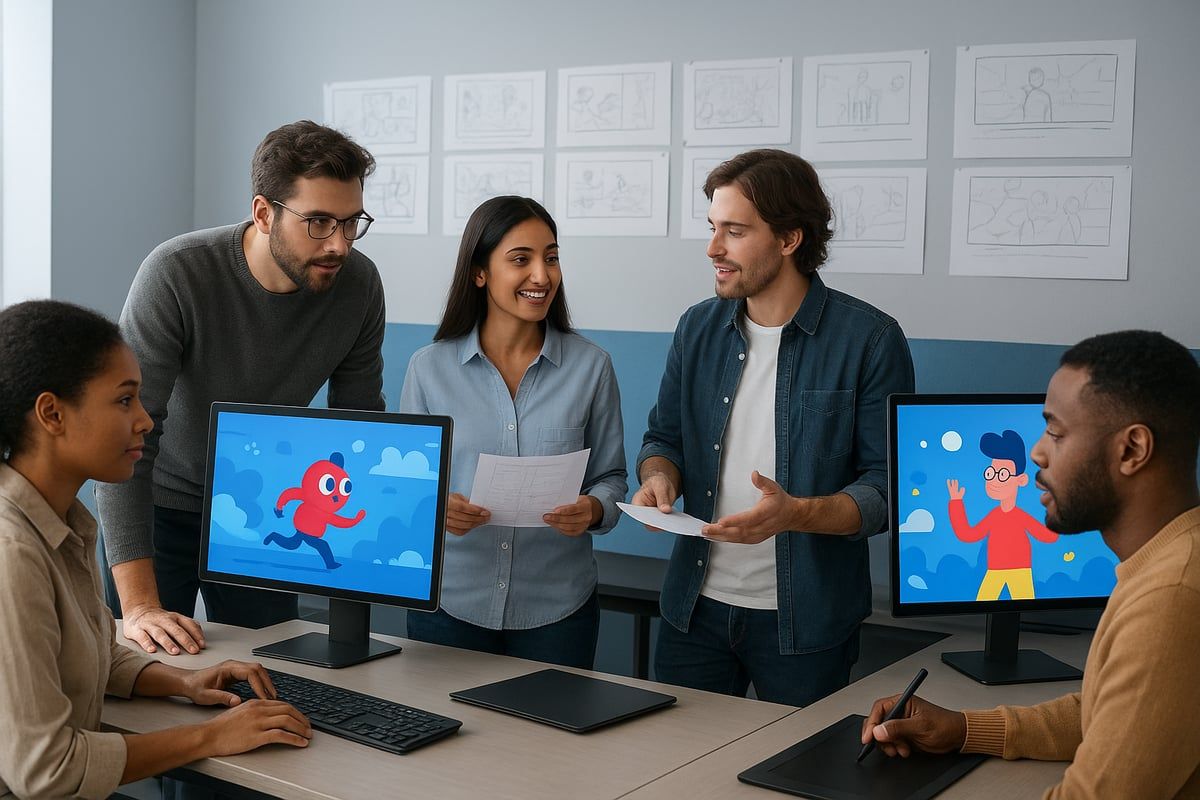
Every successful motion graphics video production begins with a thorough discovery phase. Here, teams meet with clients to clarify goals, target audiences, and messaging priorities.
During strategy sessions, it is essential to consider which platforms the video will appear on, such as social media, websites, or broadcast. Competitive analysis and inspiration gathering help shape a unique creative direction.
For example, a discovery call identifies the brand’s tone and visual style, aligning everyone before production starts. Strategic alignment during this phase is crucial, as it reduces revision cycles and increases client satisfaction. By laying this groundwork, motion graphics video production projects are set up for efficient success.
Step 2: Concept Development & Scripting
The concept development stage transforms initial ideas into compelling narratives. Creative brainstorming generates multiple approaches, while scriptwriting brings clarity, pacing, and the right tone to the story.
A well-crafted script reflects the brand voice and addresses key objectives. In motion graphics video production, especially for explainer videos in fintech or SaaS, involving stakeholders early ensures feedback is integrated and approvals are timely.
Remember, the script is the backbone of engagement and retention. Teams that prioritize strong scripting in motion graphics video production consistently see higher audience impact and smoother downstream production.
Step 3: Styleframes & Visual Design
Visual identity comes to life in the styleframes and design phase. Designers develop sample frames using specific color palettes, typography, and graphic motifs to preview the end look of the motion graphics video production.
Consistency with brand guidelines is non-negotiable. For example, a tech company may prefer clean, modern colors, while a nonprofit opts for warm, inviting visuals. Early feedback loops with stakeholders help avoid surprises later.
By aligning visual direction at this stage, teams streamline the rest of the motion graphics video production process, minimizing costly revisions and ensuring a cohesive final product.
Step 4: Storyboarding
Storyboarding is the blueprint for motion graphics video production. Each scene, transition, and key visual moment is mapped out in sequence.
Annotations clarify timing, motion cues, and where voiceover or music will enter. For animated infographics, storyboards show how data will flow visually, making complex ideas easy to understand.
Stakeholder review at this stage is critical. Detailed storyboards reduce miscommunication and prevent expensive rework. In motion graphics video production, a solid storyboard ensures everyone shares the same vision before animation begins.
Step 5: Animation & Motion Design
Here, static designs are transformed into captivating movement. Animators use advanced software like After Effects, Cinema 4D, and AI tools to create kinetic text, character animation, and seamless transitions.
Synchronizing visuals with audio and script is key for engagement. For product demos, dynamic transitions highlight features and benefits.
For those seeking to refine their skills, Animation tips for professionals offers practical guidance directly applicable to motion graphics video production. Mastery at this stage defines the video’s impact and polish.
Step 6: Sound Design & Post-Production
Sound design breathes life into motion graphics video production. Adding music, voiceovers, and sound effects elevates emotional resonance and storytelling power.
Audio is carefully mixed and mastered for clarity and balance. Visual effects, color grading, and technical polish complete the post-production phase. Award-winning sound design can turn brand stories into memorable experiences.
Rigorous quality control ensures the video performs flawlessly across all intended platforms. In motion graphics video production, investing in sound and finishing touches is what sets standout content apart.
Step 7: Review, Feedback, and Delivery
The final stage of motion graphics video production emphasizes collaboration and efficiency. Multiple review cycles with stakeholders ensure all feedback is addressed, minimizing last-minute revisions.
Efficient implementation of changes leads to timely delivery in various formats, such as HD, vertical, or social media snippets. Confirm the permitted uses of each third-party asset with the responsible rights holder.
Record the required exports, languages and caption treatments in a version matrix before delivery.
Tools, Software, and Technologies for Motion Graphics in 2026
The rapid evolution of motion graphics video production in 2026 demands mastery of both creative and technical tools. Staying ahead means choosing the right software, leveraging new technologies, using quality assets, and optimizing workflows. Here is what you need to know to succeed in this dynamic field.
Essential Motion Graphics Software
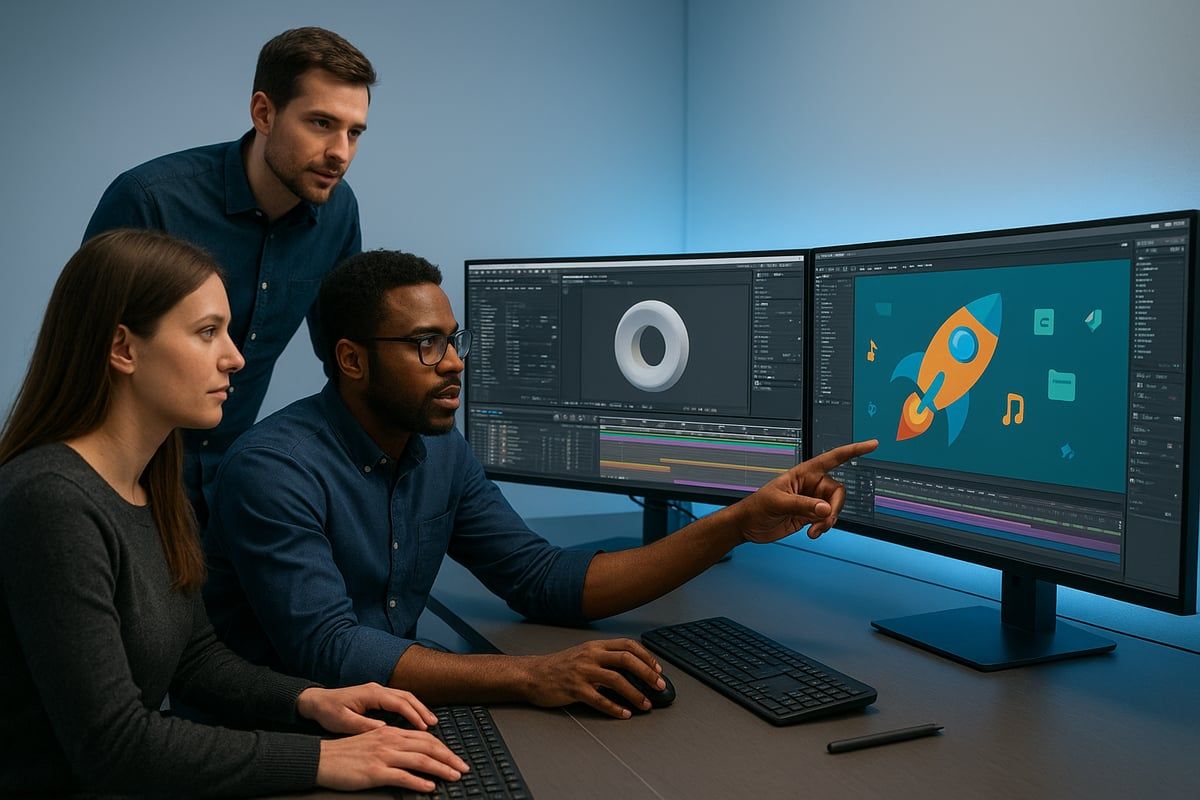
Selecting the right tools is foundational for motion graphics video production. Industry leaders like Adobe After Effects remain the go-to for 2D and 3D animation, offering a blend of power and flexibility. Cinema 4D and Blender are favored for advanced 3D motion graphics, while AI-powered animation tools automate repetitive steps and enable rapid style exploration.
Integration with design platforms such as Photoshop and Illustrator streamlines asset creation and editing. Your software choices shape your workflow, creative range, and final output quality. Investing in the right solutions ensures your motion graphics video production stands out in a crowded marketplace.
| Software | Best For | Key Feature |
|---|---|---|
| After Effects | 2D/3D Animation | Deep integration |
| Cinema 4D | Advanced 3D Motion Graphics | Procedural modeling |
| Blender | Free, Open Source 3D | Versatile toolset |
| AI Animation | Automation, Prototyping | Fast style generation |
New Technologies and Trends
Motion graphics video production in 2026 is powered by innovations like real-time rendering and seamless cloud collaboration. AI-driven character animation and auto lip-syncing speed up production, while AR and VR integration enables immersive, interactive experiences. These trends are transforming how teams collaborate and how stories are told.
Ask how the team will share project files, record feedback and identify the approved version.
Asset Libraries and Creative Resources
A robust asset library accelerates motion graphics video production by providing ready-made animations, icons, transitions, and soundtracks. Creative teams often balance custom asset creation for originality with pre-built resources for speed. Stock animation and music libraries offer professional-grade options, while custom assets ensure brand uniqueness.
For rapid campaign deployment, licensed assets can be a game changer. Choosing the right mix of resources helps control costs, maintain quality, and adapt quickly to shifting project needs. The right assets directly impact the efficiency and creativity of motion graphics video production.
- Stock animations for quick turnarounds
- Custom icons for brand alignment
- Licensed soundtracks for professional polish
Workflow Automation and Efficiency Tools
Efficient workflows are critical for scaling motion graphics video production. Project management platforms like Trello and Asana keep teams organized, while version control and feedback tools such as Frame.io streamline collaboration and review. Automation plugins handle repetitive animation tasks, freeing up time for high-value creative work.
Keep a record of requested changes, the person responsible and the version approved for delivery.
Motion Graphics Video Applications: Use Cases & Industry Examples
Motion graphics video production has become a cornerstone for brands seeking innovative ways to connect, inform, and inspire. Its versatility enables organizations to craft engaging narratives across a wide range of industries and objectives. Below, we explore how motion graphics video production is driving measurable results in marketing, corporate training, education, healthcare, non-profit, and event experiences.
Marketing & Advertising
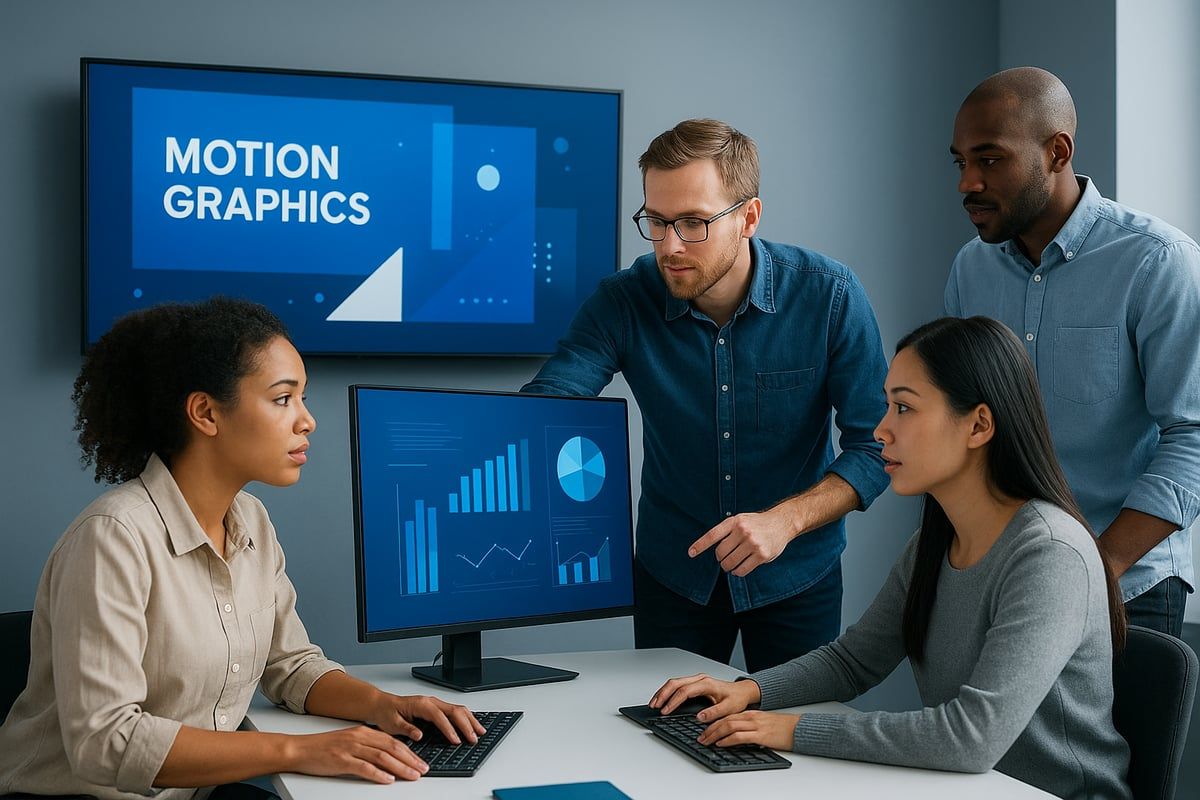
In 2026, motion graphics video production is a powerful driver for marketing and advertising. Brands leverage eye-catching explainer videos, social media ads, and animated product launches to stand out in crowded feeds. These visuals boost recall and click-through rates, making campaigns more memorable and persuasive.
Choose the result to measure before release. The video measurement worksheet separates attention, enquiries and other outcomes.
To maximize impact, brands often turn to animated explainer videos for business, which remain one of the most effective applications of motion graphics video production today.
Corporate Communications & Training
Motion graphics video production is transforming corporate communications and training. Organizations use animated infographics for financial reports, onboarding modules, and executive messages. With motion graphics, even complex data can be distilled into engaging, comprehensible visuals.
This approach enhances retention and makes internal announcements more appealing. Animated sequences simplify compliance topics or product updates, helping employees grasp key points quickly. Companies also rely on motion graphics for virtual presentations and all-hands meetings.
By integrating motion graphics video production into their workflow, businesses streamline training, improve communication, and foster a more informed workforce.
Education, Healthcare, and Non-Profit
Education and healthcare sectors benefit significantly from motion graphics video production. Animated lessons and e-learning modules boost retention for students, while healthcare providers use motion graphics to explain treatments or public health initiatives.
Non-profits harness storytelling power with animated campaigns, increasing donor engagement and awareness.
For an educational video, ask learners to complete the task or answer the question the animation is meant to explain. Watch time alone does not establish understanding.
Events, Product Demos, and Beyond
Live and virtual events increasingly rely on motion graphics video production for dynamic openers, highlight reels, and interactive displays. Product demos come alive with animated feature breakdowns, helping audiences understand new technology or services quickly.
Event organizers utilize motion graphics to enhance both in-person and hybrid experiences. Animated visuals keep viewers engaged, whether at tech conferences or online product launches.
By adopting motion graphics video production, organizations elevate their event presence, deliver memorable demos, and maintain audience attention across multiple platforms.
Trends and Best Practices for Motion Graphics Video Production in 2026
The landscape of motion graphics video production is rapidly evolving in 2026. Staying ahead means embracing innovation, following proven creative and technical practices, and learning from industry results. Here, we break down the trends, strategies, and pitfalls every marketer and creative should know.
Top Motion Graphics Trends for 2026
In 2026, motion graphics video production is shaped by transformative trends. AI-assisted animation streamlines workflows, allowing teams to focus on creative vision. Hyper-personalized video content adapts to user data, boosting engagement and relevance.
AR and VR motion graphics bring immersive experiences to marketing campaigns. Real-time, data-driven storytelling enables brands to update content instantly, reacting to market shifts.
For a deeper dive into how AI is changing animation, see AI's Impact on Animation Production. Embracing these trends ensures your motion graphics video production strategy remains future-ready.
Creative Best Practices
Success in motion graphics video production depends on creativity grounded in strategy. Align every visual style and message with your brand identity to reinforce recognition. Prioritize simplicity and clarity so your audience can absorb information quickly.
Kinetic typography draws attention to key points, while consistent color grading and visual motifs unify multi-platform campaigns. Consider this table of creative essentials:
| Creative Principle | Why It Matters |
|---|---|
| Brand alignment | Builds trust, consistency |
| Simplicity | Enhances comprehension |
| Kinetic typography | Emphasizes key messages |
| Color consistency | Strengthens brand recall |
Cohesive design, applied across channels, helps your motion graphics video production stand out.
Technical Best Practices
Check the aspect ratios and resolutions required by the actual destinations. Plan captions, descriptions and other accessibility needs using W3C’s audio and video guidance.
Efficient compression and export settings preserve quality and speed up delivery. Deliver in multiple formats for social, web, and broadcast. For example, a SaaS brand might require both vertical and horizontal versions for different networks.
A focus on technical details maximizes reach, making sure your motion graphics video production performs wherever your audience is.
Measuring Success: Analytics & ROI
Data-driven decision-making is fundamental in motion graphics video production. Track KPIs such as engagement, conversion, and retention to evaluate impact. Utilize analytics tools to monitor performance and identify areas for improvement.
Review the results for the actual audience and placement. The post-launch evidence checklist explains what to collect before making an ROI claim.
Use the findings to choose a specific change to examine in the next version.
Common Mistakes and How to Avoid Them
Many motion graphics video production projects encounter avoidable setbacks. Overcomplicated visuals or messaging dilute the core message. Ignoring platform-specific requirements leads to poor performance.
Sound design should never be an afterthought, as it dramatically impacts viewer emotion. Skipping stakeholder feedback and testing often results in revision bottlenecks and delays. Proactive planning and clear communication help prevent costly errors.
Bring your script, visual references, existing assets and delivery requirements when you talk with a producer.