

When Product Launch Season Turns Into A Knife Fight For Attention
Product launch season feels a bit like rush hour on the Gardiner in freezing rain. Everyone is trying to squeeze into the same lane, at the same time, in the same grey light.
Every team has a launch. Every CMO has a big idea. Every channel is packed. Your buyers are half watching with sound off between meetings, kids, and flights. Their inbox is a blur of subject lines. Their feed is one long wall of colour.
And you get a tiny window to hit real numbers.
For enterprise and Fortune 500 brands, this is not about pretty views or a pat on the back. It is about the pipeline created, deals moved, and how clearly you outclass your category before the quarter ends. You are not just trying to be seen. You are trying to be chosen, fast.
That is where video stops being a nice accessory and becomes the main stage.
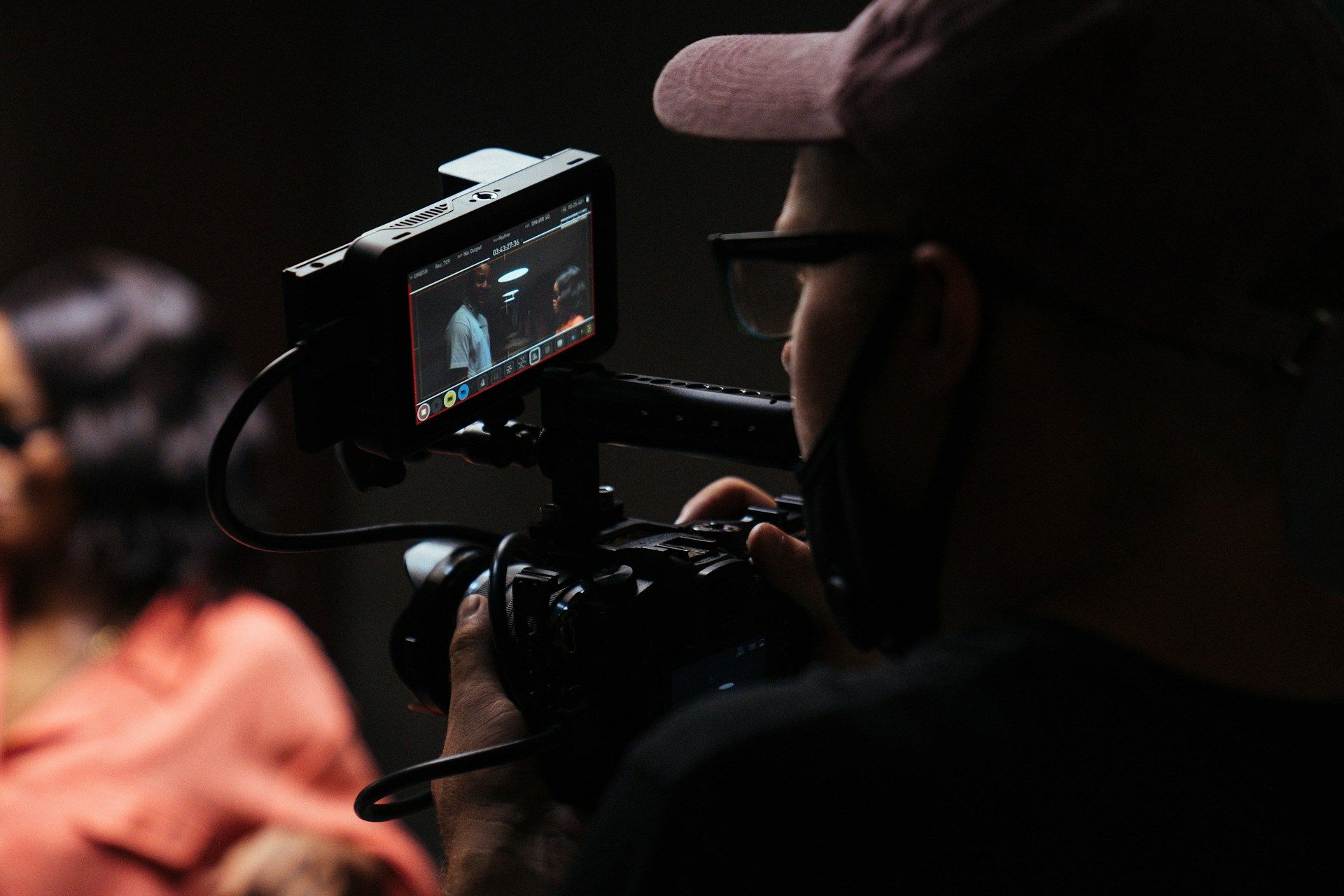
Strategic, cinematic video can pull all the moving parts of launch season into one clear story. It can give global teams one message, not twenty versions. It can turn a short launch window into something sales can work with for months.
The shift is simple: stop ordering a single “launch video.” Start building a launch playbook where every frame has a job to do.
Designing A Launch Video Strategy That Actually Moves Revenue
A strong launch video plan starts where revenue lives, not where the brief starts.
Think of the launch like a funnel.
At the top, you need attention:
- Hero launch films that feel big enough for a boardroom screen
- Short teasers that break the scroll, even on mute
- Motion-led snippets that work in cramped mobile feeds
In the middle, you need proof:
- Clear product explainers that show what is real, not just the dream
- Comparison videos that quietly but firmly show why you win
- Customer use cases that match how your buyers actually work
At the bottom, you need confidence:
- Step-by-step demo walkthroughs
- ROI breakdowns that line up with real KPIs
- Objection handling clips that answer the tough questions head-on
Each format should be tied to a number that matters. Not “engagement.” Numbers like influenced opportunities, meetings booked, and deals that hit “proposal” faster.
Then there is the real world of big companies. Multiple regions. Legal and compliance review. Internal politics. Different sales teams who all want their “version.”
That is where a modular video system pays off. You build one cinematic master, then cut it into:
- Local market versions with language and examples that fit
- Channel-specific edits for paid social, owned, and internal
- Short sales-friendly clips for email, decks, and live demos
Timing is its own weapon. Treat launch like a campaign, not a one-day drop:
- Before launch: internal hype films, sales training videos, partner previews
- Launch week: hero reveal, product demo content, retargeting creative
- After launch: early win recaps, feature spotlights, adoption nudges
A partner who thinks in playbooks can help you plan this whole ecosystem, not just the hero spot.
From Views To Boardroom Proof: Measuring Video ROI Like An Adult
“Engagement” sounds nice, but it does not hold up in a board meeting.
Real success sounds more like:
- Influenced pipeline tied to specific videos
- Faster opportunity movement between stages
- Higher win rate when certain clips are used
- Increased product adoption after launch
- Shorter sales cycles in accounts that watched key assets
That means every launch video needs a trackable role. Clear calls to action. Links and tags are tied into the CRM and marketing automation. A clear link from the watch to the next step.
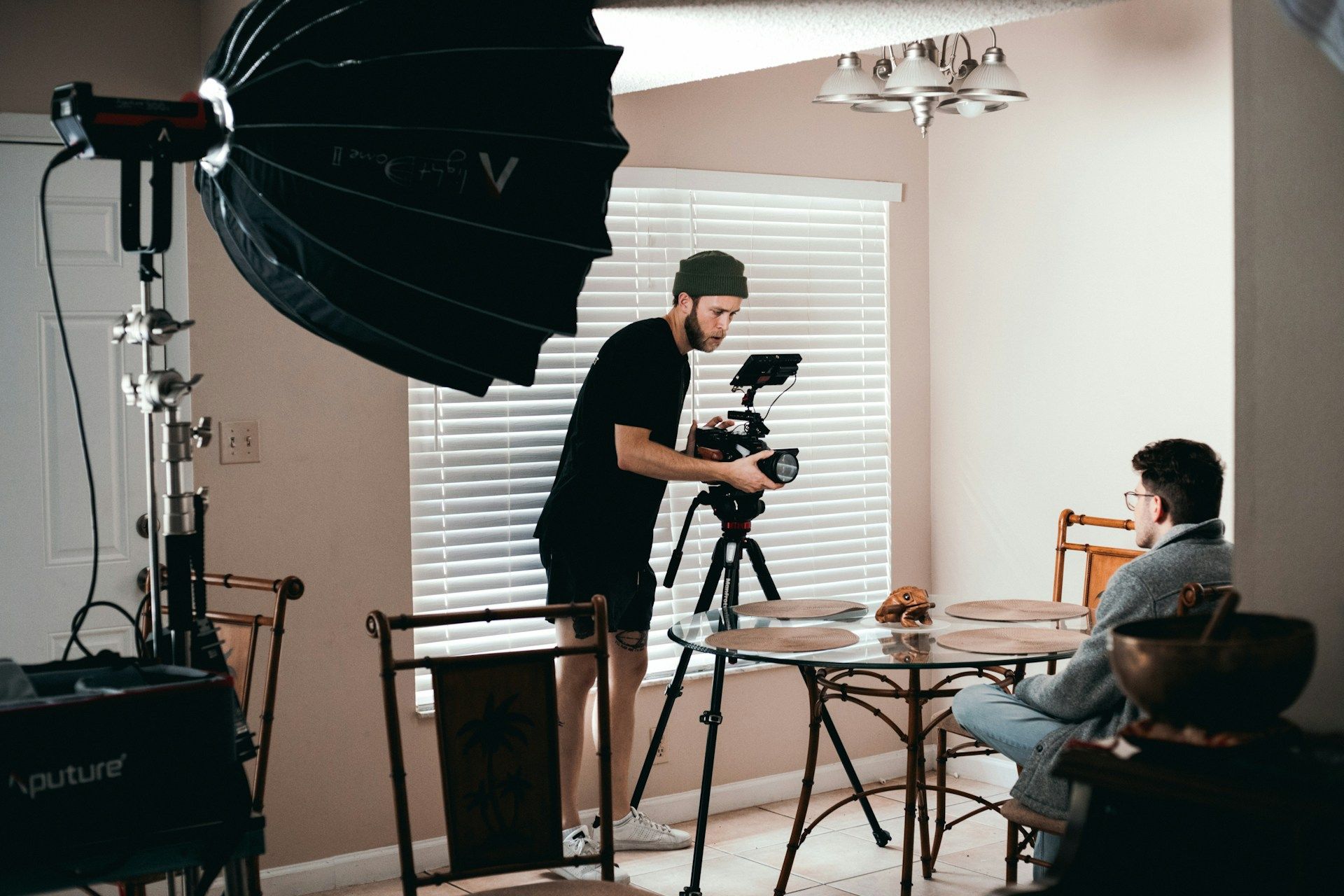
Good enterprise video production in Toronto can be planned as a set of experiments. Different hooks and openings are ready to A/B test. Platform-specific cuts that keep people watching to the end. Creative that stays cinematic but still clicks into the way algorithms and humans behave.
Then, when launch season is done, the real fun starts. You can look at:
- Where viewers dropped off
- Which messages got people to click
- Which formats helped deals close
Those insights feed the next launch. New hooks. Sharper scripts. Smarter media plans. The work gets better with every season when the feedback loop is closed on purpose.
Turning Video Into A Sales Weapon, Not Just A Brand Moment
If your launch videos end their life filed in a shared drive, something went wrong.
Sales teams need video that works in actual deal moments:
- Short clips that slot into follow-up emails
- Objection-focused snippets for late-stage calls
- Industry-specific versions for key accounts
- Walkthroughs built for screen share demos
The best time to align everyone is before buyers see a single frame. Internal launch films and quick enablement videos can get marketing, sales, and product saying the same thing in the same way. When that happens, the first prospect call already feels more confident.
Video should be part of the sales playbook, not just an attachment.
For example:
- Early stage: a sharp 90-second “why change, why now” piece
- Mid stage: a technical deep dive for IT and procurement
- Late stage: a tight, visual piece for the executive sponsor who only has five minutes
When video is built around real sales workflows, it keeps working long after launch day is over.
Industry Specific Playbooks: One Launch Season, Very Different Battlefields
Not every product fights the same fight.
Tech and SaaS teams need to make complex systems feel simple and fast. Video can show real workflows, not just screens. It can use animation to visualise data flows, integrations, and backend power that buyers cannot “see” in a still slide. A modular demo system lets you show only what a specific buyer cares about.
Financial services and other regulated industries walk a tightrope between compliance and confidence. With the right plan, launch content can be bold and human while still fitting the rules. Think trust-building explainers, scenario-based clips that show outcomes, and partner-focused assets that make advisors and resellers look sharp in front of their own clients.
Manufacturing, logistics, and industrial brands often live in warehouses, plants, or are spread across huge supply chains. That is fertile ground for cinematic on-site shoots, process visualisation, and story arcs built around reduced downtime, faster setup, and stronger SLAs. Those are the metrics executives talk about in real reviews.
Enterprise video production in Toronto also has to respect the seasons. Launching on a snowy January morning hits differently than a sunny June afternoon. Travel, locations, and on-site crews all need to roll with lake effect snow, surprise thaws, and grey skies. Planning for that keeps your launch calendar tight.
Your Product Launch Season Deserves A Battle-Tested Video Playbook
Ordering “a launch video” is a bit like asking for “some sales.” It sounds simple, but it ignores how enterprise buying really works.
The shift is to think in systems. One integrated playbook that matches your revenue targets, sales reality, and internal politics, not a pile of disconnected clips.
This is where we come in. At Viva Media, we build strategic, cinematic video ecosystems for launch season. We work as a partner in the planning room, lining up creative, analytics, and sales enablement into one clear plan. For brands serious about enterprise video production in Toronto and beyond, that is how launch season stops feeling like a knife fight and starts feeling like a controlled win.
If you are ready to elevate how your organization communicates, we can help you plan and produce enterprise video production in Toronto that aligns with your goals. Explore our full range of enterprise video services to see what is possible for your brand. To talk through your ideas or next project, contact us, and one of our producers at Viva Media will follow up with tailored recommendations.