
When Marketing Stops Buying Views and Starts Buying Revenue
Let’s be honest. Your content calendar is packed. Your feeds are full. Your brand film looks gorgeous.
And your head of sales is still saying, "We don’t have the right assets."
This is the core tension. Marketing is drowning in content while revenue teams feel under-armed. In a city like Toronto, where every enterprise brand is pushing slick video, it is easy to confuse motion and noise with progress.
The usual video spend goes into vanity views, award reels, and glossy edits that make internal teams feel good. But pipeline? Deal speed? Actual revenue? Barely a blip.
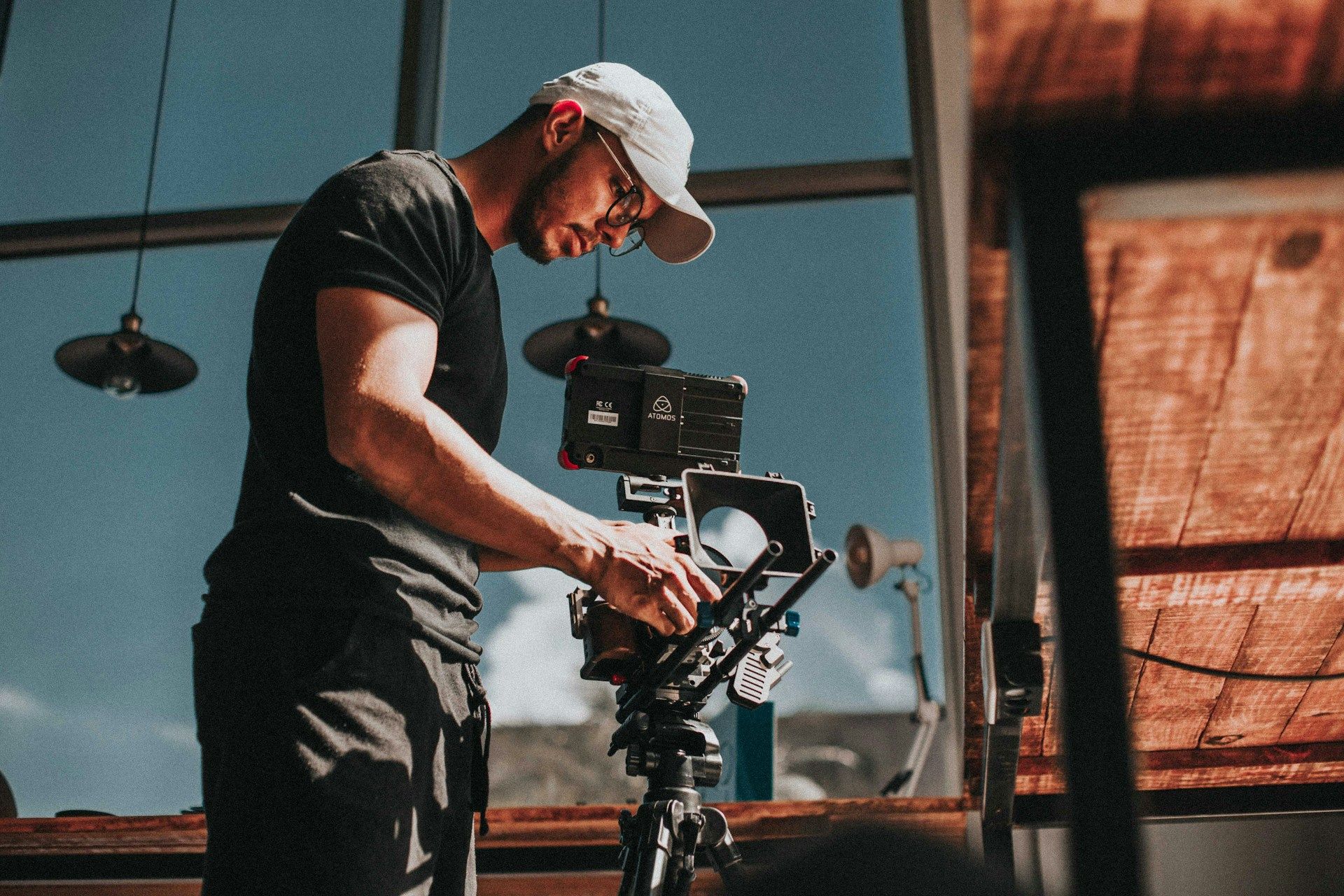
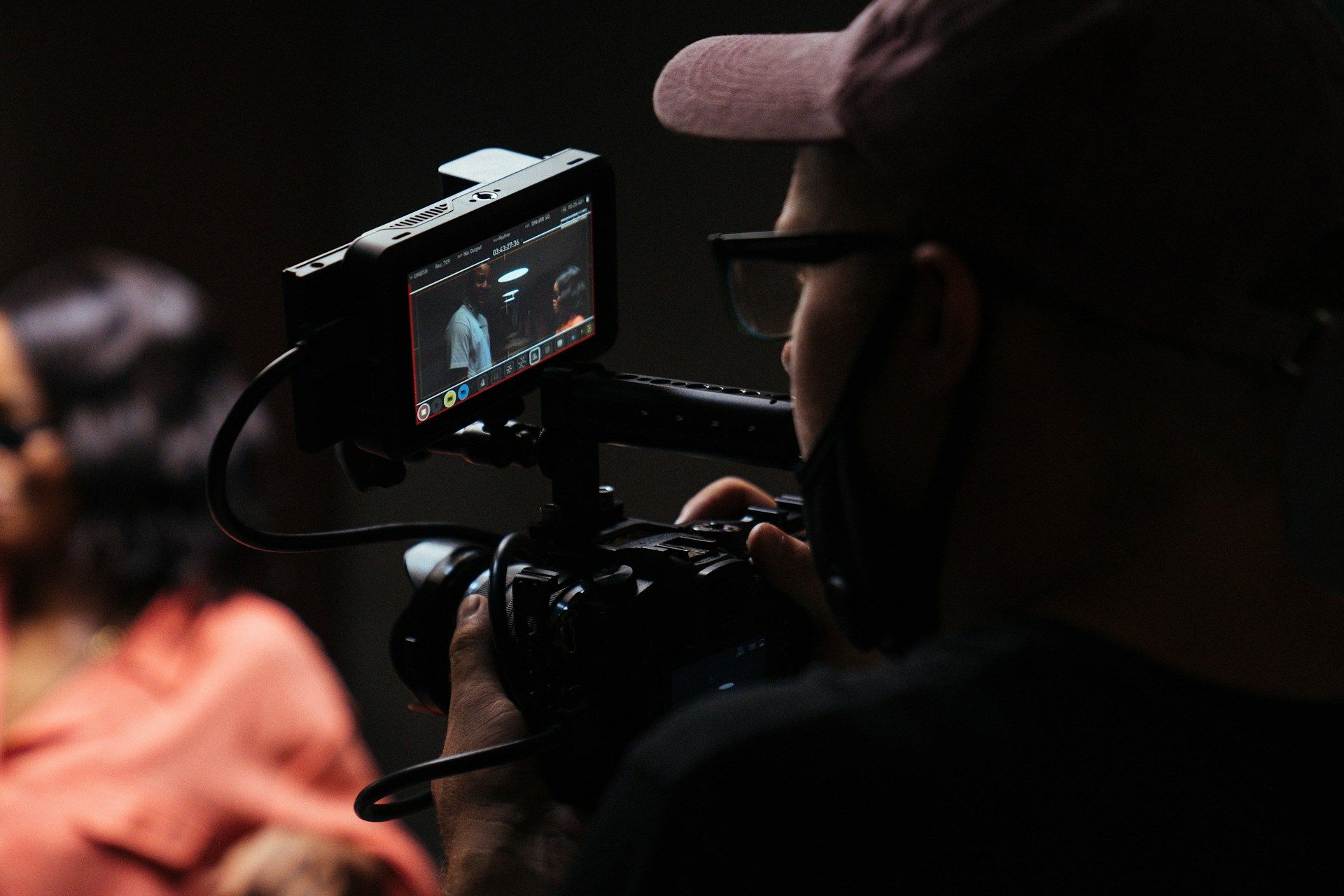
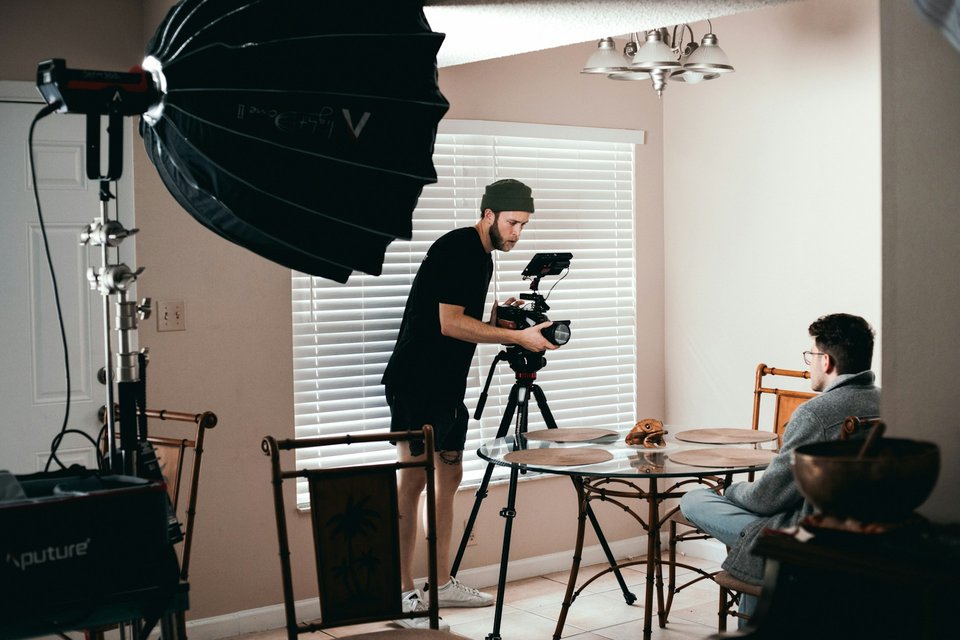
The shift happens when video stops being an item on the content list and starts working like a true revenue channel. That matters even more here, where enterprise video production in Toronto can feel like an arms race in production polish.
Planning season makes this even sharper. New year, fresh budgets, big board targets. This is when CMOs choose: video as a cost centre that eats line items, or video as a growth engine that earns its seat in the board deck.
A real enterprise video playbook is built for that second choice. Strategy, creative, and production are all locked onto revenue KPIs, not just YouTube graphs or social likes.
The Enterprise Video Gap: Why Your Content Looks Great And Underperforms Anyway
If your content looks great yet underperforms, you are not alone.
Common failure modes show up fast:
- Video ideas built as one-off campaigns, not as a system
- No clear success metrics beyond "get more views"
- Creative that ignores buying committees and long sales cycles
- Assets that thrill brand teams but confuse CFOs
Typical agency output leans hard into the big hero spot or a single explainer. But enterprise teams need something different. You need modular ecosystems of video that map to every stage of awareness, evaluation, and decision.
Views, likes, and completion rates? Those are table stakes. They tell you people watched, not that deals moved. Serious CMOs watch numbers like:
- Pipeline influenced
- Sales cycle compression
- Average contract value uplift
- Deal velocity and multi-threading
Here in Toronto, a lot of enterprise video work stops at "Does it look amazing?" and "Will people talk about it locally?" What is missing is sharp business logic that speaks to global decision groups, not just a local audience.
The fix is to shift from project thinking to portfolio thinking. Every video must have a clear job, a clear audience, and a clear definition of success.
Building a CMO-Level Video Playbook: From Boardroom Objectives To On-Screen Outcomes
A real playbook starts in the boardroom, not in the script document.
Take high-level goals: expand into a new region, claim category leadership, grow upsell, or push product adoption. From there, reverse-engineer a video roadmap that supports those outcomes.
Then map that roadmap to the revenue engine.
Top of funnel: cinematic, insight-driven pieces that plant new demand. These do more than create awareness. They frame the problem, set the stakes, and point directly at your solution.
Mid-funnel: proof-of-value content that your sales teams actually send. Think customer films, use case clips, and product walkthroughs that answer the hard questions before they land in live calls.
Bottom of funnel and post-sale: video for onboarding, training, and ongoing success. These reduce churn, cut down support tickets, and quietly push net revenue retention in the right direction.
For our enterprise clients, we follow a steady process: deep discovery with marketing, sales, and revenue ops, building a shared narrative and messaging architecture, defining a content hierarchy, then locking the distribution plan so the right video appears in the right channel.
Operational discipline is what turns this from wishful thinking into a working machine. Versioning for regions and verticals. Modular edits tuned for different decision-makers. Integration with your CRM and marketing tools so sales never have to "go look" for assets; they just appear where deals are tracked.
Q1 is the right moment to set this up, while the snow is still on the sidewalks and annual plans are not frozen solid. Architect the playbook now, so the rest of the year feels proactive, not reactive.
Sales Teams Don’t Need More Decks, They Need Cinematic Ammunition
Most sales teams are buried under decks and one-pagers. They are not starved for content. They are starved for content that actually helps them win.
Video becomes a weapon when your best reps say, "If I can just get this clip in front of the buyer, the deal moves."
A simple, powerful sales enablement kit usually includes:
- Vertical-specific problem or solution videos that look and sound like the prospect’s real world
- Short objection-handling clips for security, compliance, data, migration, and change risk
- Executive point-of-view pieces built for rushed CFOs, CIOs, and risk leads who might only give you five minutes
Then you wire these pieces into the tools your teams already use: Salesforce, HubSpot, Salesloft, Outreach. Video inside cadences, proposals, and live deal rooms, not buried in a shared drive.
Now the KPIs get interesting. You can see which videos line up with higher meeting-booked rates, stronger proposal acceptance, and more stakeholders engaging within the same account.
One Toronto enterprise client rebuilt their sales library around a focused cinematic kit like this. The pattern was clear: more decision-makers watching the right clips early, fewer stalls late in the cycle, and a cleaner path to "yes."
Industry-Specific Playbooks: Why One Size Video Fits No One
If your buyers sit in regulated or complex spaces, generic video is dead on arrival. Enterprise video production in Toronto has to respect that each industry plays by its own rules.
Financial services and insurance need storylines that keep compliance teams calm but still sell upside. Scenario-based stories, clear numbers, and low-drama visuals that feel serious, not fluffy.
Technology and SaaS buyers want clarity over hype. They need product films that simplify tricky architecture, demos that scale pre-sales, and customer proof that speaks to both technical and economic buyers at the same time.
Healthcare, pharma, and life sciences demand clinical accuracy wrapped in cinematic care. Content must reassure regulators and ethics boards while giving clinicians and admins a reason to believe and act.
For each of these, we work with enterprise and Fortune 500 teams to tune the message for both Canadian and global audiences. That means regulatory nuance, language shifts, and small cultural details that keep global stakeholders engaged instead of wary.
With 2026 launches and budgets lining up, a playbook like this can power big conference seasons, RFP waves, and board approvals, even while Toronto is still in winter mode.
Choosing An Enterprise Video Partner: Director, Strategist, Or Business Co-Pilot
Most briefs still treat video partners like production vendors. "Here is the script, make it look great."
That model breaks in the enterprise. CMOs do not just need someone who knows cameras. You need a partner who can talk ICPs, deal stages, and revenue targets with the same comfort as lenses and lighting.
When you look for a true enterprise partner, ask if they can:
- Translate complex business targets into a clear video roadmap
- Operate in rooms full of legal, compliance, IT, finance, and global brand
- Show impact in metrics that matter in your board packets
This is the space we live in. Viva Media is a Toronto-based video production agency built for enterprise and Fortune 500 teams, where cinematic craft is backed by strategy, data, and process. We design video systems that your CRO can care about, not just your social lead.
Sticking with scattered, campaign-only videos often feels safer. It is familiar. But in reality, it creates more risk to brand trust and to the P&L than a structured, measurable playbook ever will.
Turn Your 2026 Video Budget Into A Revenue Playbook
Right now, plans for 2026 are still in pencil. Campaigns, launches, earnings moments, and sales kickoffs are taking shape. This is when a video budget can quietly turn from "content spend" into "revenue engine."
A strategic playbook workshop with us pulls everything onto one table. We review your current assets, line them up against your funnel, find the revenue gaps, and outline a 12-month cinematic system that feeds every key moment: SKOs in the dead of winter, product launches in spring, investor updates all year.
In a city crowded with enterprise video production in Toronto, the edge will not come from louder content. It will come from a video that is architected, cinematic, and relentlessly tied to revenue outcomes.
If you are ready to elevate how your organisation communicates, we can help you plan and execute impactful enterprise video production tailored to your goals. Our team will work closely with you to understand your audience, refine your message, and deliver content that feels true to your brand. To explore ideas, timelines, and budget options, contact us and let Viva Media support your next project.