
The demand for professional video content has transformed how digital marketing agencies serve their clients in 2026. Every brand needs video to compete, and agencies are turning to specialized production partners to deliver high-performance content that drives measurable business outcomes. A digital marketing agency video is no longer just a nice-to-have creative asset-it's a strategic tool that generates attention, builds trust, and converts prospects into customers. Understanding how to plan, produce, and optimize these videos separates agencies that deliver real results from those that simply create pretty content.
Why Digital Marketing Agencies Invest in Professional Video Production
Video has become the primary format for digital communication across every platform. Marketing agencies recognize that their clients expect video content that performs, not just content that looks good. The shift toward video strategy that drives sales requires professional production standards and strategic planning from the initial concept.
Professional video production offers several critical advantages:
- Enhanced brand credibility through polished, high-quality visuals
- Higher engagement rates compared to static content
- Better retention of messaging and brand information
- Improved conversion rates across multiple touchpoints
- Greater social media reach and shareability
When agencies partner with production companies like those offering corporate video services, they gain access to expertise, equipment, and creative talent that would be prohibitively expensive to maintain in-house. This partnership model allows agencies to scale their video offerings without the overhead of full production teams.

The production value of a digital marketing agency video directly impacts how audiences perceive the brand being promoted. Low-quality video reflects poorly on both the agency and their client. Professional production ensures consistent brand messaging, proper lighting, clear audio, and smooth editing that maintains viewer attention throughout the entire piece.
Types of Video Content Agencies Create for Clients
Different business objectives require different video formats. Understanding which type of digital marketing agency video serves each purpose helps agencies recommend the right solution for their clients' specific needs.
| Video Type | Primary Purpose | Typical Length | Best Platform |
|---|---|---|---|
| Brand Story | Build emotional connection | 60-90 seconds | Website, LinkedIn |
| Product Demo | Explain features and benefits | 90-120 seconds | YouTube, website |
| Customer Testimonial | Provide social proof | 45-60 seconds | Landing pages, ads |
| Social Media Content | Drive engagement | 15-30 seconds | Instagram, TikTok, Facebook |
| Educational Content | Establish authority | 3-5 minutes | YouTube, blog posts |
| Event Coverage | Showcase company culture | 2-3 minutes | Multiple platforms |
Each format demands different production approaches. A 15-second social media clip requires punchy editing and immediate visual impact, while educational content needs clear explanations and thoughtful pacing. Agencies must understand the dos and don'ts of each format to deliver effective campaigns.
Planning Your Digital Marketing Agency Video Strategy
Strategic planning separates effective video content from wasted production budgets. Before cameras start rolling, agencies need clear objectives, defined target audiences, and measurable success metrics. This foundation ensures every creative decision supports business goals rather than just aesthetic preferences.
The planning phase should answer several fundamental questions:
What specific action should viewers take after watching? Every video needs a clear call-to-action that guides viewers toward the next step in the customer journey.
Who is the target audience and what are their pain points? Understanding audience demographics, challenges, and preferences shapes messaging, tone, and creative approach.
Where will the video be distributed? Platform requirements dictate aspect ratios, length constraints, and content style. A LinkedIn video follows different best practices than Instagram Reels.
How will success be measured? Establishing key performance indicators before production allows agencies to demonstrate ROI and optimize future campaigns.
What budget and timeline are available? Resource constraints affect production complexity, talent selection, and post-production polish. Clear video pricing expectations prevent scope creep and disappointment.
Successful agencies develop comprehensive creative briefs that communicate these elements to their production partners. The brief should include brand guidelines, competitive examples, messaging priorities, and technical specifications. When you know what questions to ask a video production company, you set the foundation for productive collaboration.

Collaborating Effectively with Production Partners
The relationship between marketing agencies and production companies determines project outcomes. Strong collaboration produces better results than simply outsourcing tasks. Following proven tips for working with video agencies helps ensure smooth production processes and exceptional final deliverables.
Communication throughout the production process should include:
- Regular status updates and milestone check-ins
- Open feedback channels for creative reviews
- Clear approval processes and decision-making authority
- Flexibility to adjust based on what's working
- Honest discussions about challenges and solutions
Production companies appreciate agencies that provide complete information upfront rather than trickling details throughout the project. Brand assets, previous campaign materials, competitor examples, and client preferences should be shared during kickoff meetings. This transparency allows production teams to deliver work that aligns with brand standards and campaign objectives from the first draft.
Maximizing ROI Through Video Distribution and Optimization
Creating a high-quality digital marketing agency video represents only half the equation. Distribution strategy determines whether that content reaches its intended audience and generates measurable results. Many agencies invest significantly in production but underinvest in amplification, limiting potential returns.
Platform-specific optimization ensures content performs well in each environment. A single video asset should be adapted into multiple formats rather than uploaded identically everywhere. Vertical formats work best for Instagram Stories and TikTok. Square formats maximize real estate in Facebook and LinkedIn feeds. Horizontal formats suit YouTube and website embedding.
Technical optimization elements include:
- Compelling thumbnails that stop scrolling and encourage clicks
- Captioning and subtitles for accessibility and sound-off viewing
- Mobile-friendly formatting since most social media consumption happens on phones
- Strategic file compression that maintains quality while reducing load times
- SEO-optimized titles and descriptions that improve discoverability
The ultimate video marketing guide emphasizes the importance of testing different distribution approaches and measuring performance across platforms. What works on LinkedIn may fail on Instagram, and vice versa. Data-driven optimization allows agencies to allocate budget toward channels that deliver the strongest returns for specific campaign objectives.
Measuring Video Performance and Demonstrating Value
Agencies that want to retain clients must prove video investments generate tangible business outcomes. Vanity metrics like view counts matter less than conversion metrics that tie directly to revenue. Modern attribution tools allow agencies to track the customer journey from initial video exposure through final purchase or lead submission.
Key performance indicators worth tracking include:
- View-through rates showing how much of the video audiences actually watch
- Click-through rates on calls-to-action embedded in or near videos
- Lead generation volume from video landing pages
- Sales attributed to video touchpoints in the customer journey
- Cost per acquisition compared to other marketing channels
- Brand lift metrics showing awareness and perception changes
Case studies demonstrating real-time attribution data help agencies communicate video ROI to clients skeptical about production investments. When you can show that a specific video generated 50 qualified leads at a cost per lead 40% lower than paid search, budget objections disappear.
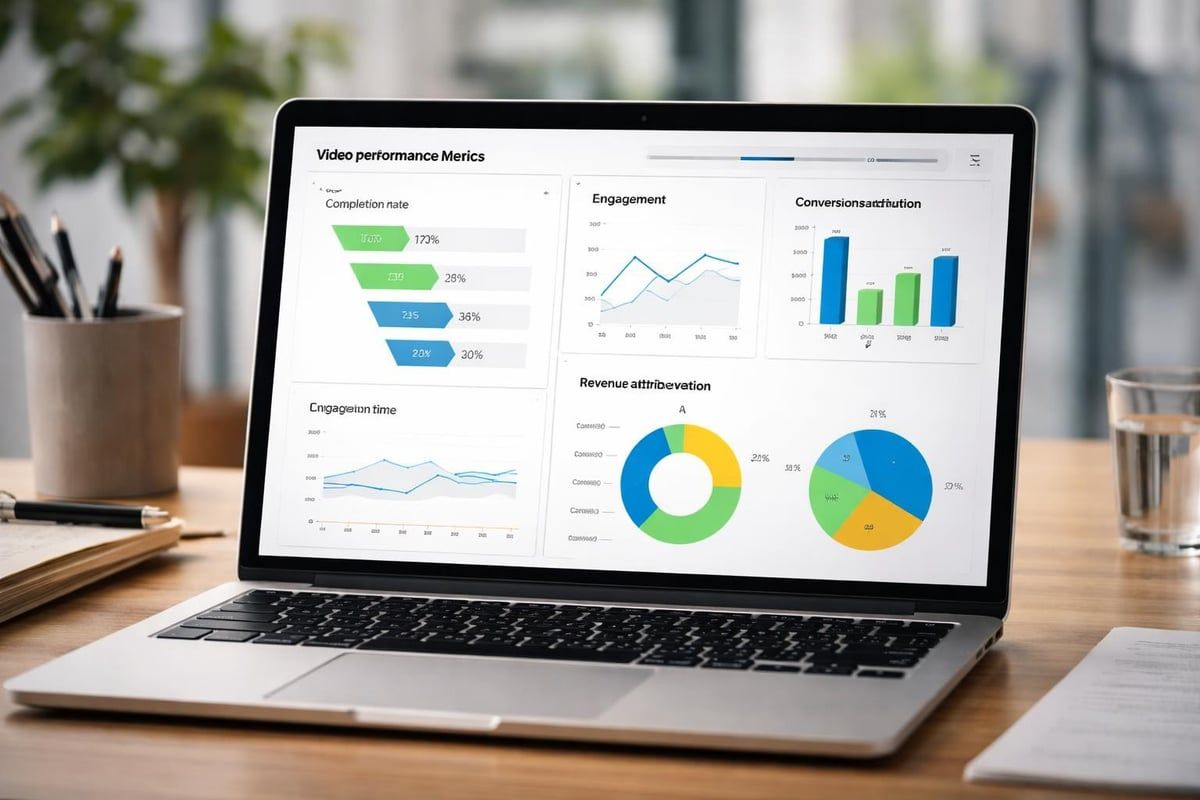
Advanced tracking setups tag video viewers with cookies or pixels that follow them through subsequent website visits. This technology reveals whether someone who watched 75% of a product demo video converted two days later. Attribution models assign appropriate credit to video touchpoints rather than defaulting to last-click attribution that often undercredits awareness-building content.
Trends Shaping Digital Marketing Agency Video in 2026
The video production landscape continues evolving as technology advances and audience preferences shift. Agencies that stay current with emerging trends position themselves as forward-thinking partners rather than vendors executing outdated tactics. Several significant developments are reshaping how digital marketing agency video content is created and consumed.
Artificial intelligence tools now assist with scriptwriting, rough-cut editing, and automated captioning, but they haven't replaced human creativity. The most successful agencies use AI to handle repetitive tasks while focusing human talent on strategic thinking and creative direction. This hybrid approach improves efficiency without sacrificing the emotional resonance that only human storytelling provides.
Short-form vertical video dominates social media consumption, with platforms actively prioritizing this format in their algorithms. Sixty-second clips optimized for mobile viewing generate more impressions and engagement than traditional horizontal videos. However, this doesn't mean long-form content is dead-it simply serves different purposes within comprehensive content strategies.
Interactive video experiences allow viewers to make choices that affect the content they see, creating personalized viewing experiences. While production complexity increases, engagement rates often justify the investment for high-value prospects or complex product lines requiring customized demonstrations.
Authentic, unpolished content continues gaining traction, especially for social media platforms where audiences value relatability over production perfection. This doesn't mean quality doesn't matter-it means the definition of quality varies by platform and objective. A polished commercial serves different purposes than behind-the-scenes social content.
Building Sustainable Video Production Workflows
Agencies that treat video as an ongoing content engine rather than individual projects achieve better results at lower costs. Developing systematic production workflows allows teams to create more content with consistent quality standards. This operational efficiency makes video accessible for clients with modest budgets rather than only enterprises with unlimited resources.
Sustainable workflows typically involve:
- Quarterly planning sessions that map video needs to campaign calendars and business objectives
- Batch production days where multiple videos are shot in single sessions to maximize efficiency
- Template systems for common video types that maintain brand consistency while reducing creative lift
- Asset libraries organizing b-roll, music, graphics, and other reusable elements
- Clear approval processes that prevent endless revision cycles and project delays
When agencies partner with production companies experienced in tips for working together effectively, they establish repeatable processes that improve with each project. The tenth collaboration runs smoother than the first because both teams understand expectations, communication preferences, and creative sensibilities.
Creating Case Studies That Showcase Video Success
Marketing agencies live and die by their ability to demonstrate results for clients. Video case studies serve dual purposes-they prove ROI to existing clients while attracting new prospects impressed by documented success. The most compelling case studies follow proven frameworks that create narratives showing measurable outcomes.
Effective video case studies include several essential components:
Challenge and context explaining the business situation before the video campaign launched. What problem needed solving? What had been tried previously? What made this moment right for video investment?
Strategic approach detailing how the team developed the video strategy. What insights informed creative decisions? How did the solution address specific pain points? What made this approach different from conventional tactics?
Execution details showing the production process and creative elements that brought the strategy to life. This section demonstrates expertise without revealing proprietary methods that competitors might copy.
Measurable results with specific numbers showing business impact. Revenue generated, leads captured, engagement rates, conversion improvements-quantifiable outcomes matter more than subjective assessments about creative quality.
Client testimonials in video format adding authenticity and emotional impact. Hearing satisfied clients describe their experience in their own words carries more weight than agency claims about their capabilities.
Video-based case studies perform significantly better than text versions because they demonstrate production quality while telling the success story. Prospective clients can assess your work while learning how you solve problems similar to theirs. These pieces should live prominently on agency websites and be shared across social platforms where potential clients conduct research. Check out examples of successful video case studies from professional firms that showcase measurable outcomes.
Avoiding Common Video Production Mistakes
Even experienced agencies make predictable mistakes that undermine video performance. Recognizing these pitfalls helps teams avoid wasting budget and disappointing clients. Prevention costs less than correction after production wraps.
Common mistakes include:
- Skipping strategy sessions and jumping straight to production without clear objectives
- Ignoring platform specifications resulting in poorly formatted content
- Overlooking audio quality despite sound being as important as visuals
- Creating videos without clear calls-to-action leaving viewers uncertain about next steps
- Failing to test content before wide distribution reveals problems
- Neglecting accessibility features like captions that expand audience reach
- Underestimating production timelines leading to rushed work and quality compromises
The relationship between agencies and production partners plays a significant role in avoiding these issues. When agencies clearly communicate objectives and constraints while production companies provide honest feedback about feasibility and timelines, projects stay on track. Knowing what to expect when hiring a video production company sets realistic expectations that lead to better outcomes.
The Business Case for Video Investment
Marketing budgets face constant pressure, and agencies must justify every expenditure. The business case for digital marketing agency video becomes easier to make when armed with industry data and client success stories. Video consistently outperforms other content formats across key metrics that matter to business leaders.
Video content generates:
- 1200% more shares on social media compared to text and images combined
- 80% higher conversion rates on landing pages featuring video
- 65% longer website session durations when video is present
- 40% higher click-through rates in email marketing campaigns
- 95% better message retention compared to text-based content
These statistics translate to real business outcomes. When a client invests in a strategic video campaign, they're not buying creative expression-they're purchasing a tool engineered to generate attention, build trust, and drive conversions. The most successful agencies position video this way from initial conversations through campaign reporting.
Budget allocation should reflect video's performance potential. While production costs more than blog posts or static graphics, the returns justify the investment when campaigns are properly planned and executed. Understanding how videos help achieve business results helps agencies build compelling proposals that clients approve enthusiastically rather than reluctantly.
Integrating Video Throughout the Customer Journey
Effective video strategies deploy different content at each stage of the buyer's journey. Awareness-stage prospects need different messages than consideration-stage shoppers or decision-stage buyers. Mapping video content to customer journey stages ensures the right message reaches people at the right time.
Awareness stage requires educational content that introduces problems and positions your client as a helpful resource. These videos should focus on building trust and demonstrating expertise rather than pushing products. Thought leadership content, industry trend analysis, and problem identification videos work well here.
Consideration stage demands comparison content, detailed product demonstrations, and customer testimonials that help prospects evaluate options. These videos should address common objections, highlight differentiators, and provide the information needed to shortlist vendors or solutions.
Decision stage benefits from case studies, implementation walkthroughs, pricing transparency, and risk-reversal content that removes final barriers to purchase. These videos should make the buying process clear and reduce anxiety about making the wrong choice.
Agencies that map comprehensive video strategies across the entire funnel deliver better results than those focused only on top-of-funnel awareness content or bottom-of-funnel sales videos. The cumulative effect of touchpoints at every stage creates momentum that individual videos cannot achieve alone.
Digital marketing agency video has evolved from experimental content to essential business infrastructure that drives measurable results across every industry. Success requires strategic planning, professional production standards, platform-specific optimization, and rigorous performance measurement that connects creative execution to business outcomes. Viva Media specializes in creating high-performance video content for agencies and brands throughout the Greater Toronto Area, partnering with forward-thinking organizations to engineer attention-grabbing experiences that deliver real ROI. When you're ready to transform your video strategy from creative expense to revenue driver, our team brings the expertise, equipment, and strategic thinking that separates content that performs from content that just exists.