
Creating a new video starts with a clear brief. Decide who it is for, what it needs to explain and where it will appear. This guide covers planning, scripting, filming, editing and distribution so your team can make those decisions before production begins.
This expert guide delivers actionable steps that cover every phase—strategic pre-production, storytelling mastery, leveraging cutting-edge technology, optimizing for each platform, and measuring real results. Discover the latest trends, tackle emerging challenges, and unlock proven methods to create new video content that leaves a lasting impact. Ready for practical tips that drive success? Let’s dive in.
Step 1: Strategic Pre-Production Planning
Effective pre-production is the foundation for every successful attempt to create new video content. As the 2026 landscape evolves, clear planning ensures your videos stand out, deliver on goals, and adapt to new trends. This step covers the essential groundwork for high-impact video creation, from audience insights to compliance.

Understanding Your Audience and Objectives
To create new video content that resonates, start by defining your precise target audience. Use advanced analytics tools to segment demographics and behaviors. Set clear, measurable objectives for each project, whether boosting engagement, driving sales, or increasing brand awareness.
Define the business goal and decide how you will assess the video. A recruitment film, a campaign ad and a product tutorial do different jobs. Use audience research and existing performance data to inform the brief, then check the results after launch.
Crafting a Compelling Video Brief
A detailed brief is essential when you create new video content. It should outline objectives, key messages, tone, style, and budget. Utilizing real-world templates can streamline this process, saving time and resources.
Top brands consistently use structured briefs to keep teams aligned and production efficient. For actionable advice, review these 7 things to remember when writing a video production brief to make sure your next project starts strong and stays on track.
Assembling the Right Team
Identify the roles your project needs, such as director, writer, camera crew, editor and on-camera contributors. Confirm who is responsible for each stage and how the team will communicate. Some work can be handled remotely; filming and specialist tasks may require people on location.
Consider leveraging project management platforms for seamless communication. Assign clear responsibilities so every member knows their role in the journey to create new video content that meets your brand's standards.
- Director: Oversees vision and execution
- Scriptwriter: Crafts compelling scripts
- Videographer: Captures high-quality footage
- Editor: Polishes the final product
- Talent: Delivers on-camera performance
Budgeting for Maximum ROI
Build the budget around the approved scope: planning, production, post-production, rights and the final versions. Distribution may need a separate media budget. There is no fixed allocation that fits every project, so ask for a breakdown before deciding where to spend.
Use modern budget tracking and optimization tools to keep spending in check. Regularly review expenses and adjust allocations to ensure every dollar supports your project's objectives.
| Budget Area | What to Scope | Tools for Tracking |
|---|---|---|
| Creative | Research, concepts, scripts and approvals | Brief and estimate |
| Production | Crew, equipment, locations and shoot days | Production budget |
| Post-production and distribution | Editing and versions; media spend quoted separately | Delivery list and media plan |
Legal and Compliance Considerations
Every time you create new video assets, legal and compliance checks are essential. Secure rights for music and visuals, obtain model releases, and follow platform-specific policies.
Check permissions, releases, licences and applicable platform requirements for your specific project. Ask qualified advisers about legal questions; a production checklist does not remove every risk. Start with these checks:
- Confirm copyright for all assets
- Collect signed releases from talent
- Review platform guidelines
- Stay updated on regional privacy regulations
Being proactive with compliance safeguards your project and reputation, ensuring your create new video efforts are both creative and secure.
Step 2: Scripting and Storytelling Mastery
Mastering how to create new video content that captivates audiences is more crucial than ever in 2026. Effective scripting and storytelling are the foundation for videos that resonate, inspire action, and drive results. This step guides you through narrative structure, scriptwriting, storyboarding, brand alignment, and accessibility, ensuring every video you produce stands out.

Building a Narrative that Resonates
Choose a narrative structure that suits the message. A problem-and-solution story may work for a product explanation; a more direct demonstration may be better for a practical task. Test whether the sequence is clear to someone unfamiliar with the subject.
Look at recent viral campaigns—each leveraged a relatable character or compelling conflict to draw audiences in. For brands aiming to boost their visual storytelling, consider exploring Boost your brand's visual storytelling for expert strategies that can help your next project stand out.
Writing for Engagement and Clarity
Clarity and engagement are non-negotiable when you create new video scripts. Start with concise sentences, use active voice, and include emotional hooks early in your script. Brevity keeps attention, while clear calls to action guide viewers through your content.
AI-assisted writing tools can help generate or organise draft ideas, but the team remains responsible for facts, tone and permissions. Read the script aloud, check every claim and remove lines that sound unnatural. Review it against the brief before it reaches production.
Visual Storyboarding Techniques
A detailed storyboard is essential when you create new video projects. Storyboarding helps you visualize each scene, maintain consistency, and avoid costly revisions in post-production. Digital storyboard apps now allow for real-time collaboration, letting teams update visuals and notes instantly.
For example, brands using visual storyboards report fewer last-minute changes and faster turnaround times. Consider outlining key shots, transitions, and on-screen text to keep everyone aligned. This visual roadmap sets the stage for a smoother production process.
Incorporating Brand Voice and Values
Define the brand's tone, visual style and key message before writing. Use examples from existing approved content to guide the script. Keep language consistent with how the company actually speaks to customers, and check that any promises match the offer.
Showcase real stories, use consistent language, and highlight what makes your brand unique. Leading companies create emotional connections by weaving their mission and vision into every frame, building trust and loyalty with their audiences.
Planning for Accessibility and Inclusion
Plan accessibility before filming. Provide accurate captions and a text alternative where appropriate. If important information is only visual, consider how it can be described in the audio or an alternative version. Review access needs with the people who will use the video.
Use automated tools to generate subtitles and check color contrast for clarity. Include multiple language options where possible. By designing with accessibility in mind, your content becomes welcoming and impactful for every viewer.
Step 3: High-Impact Production Techniques for 2026
Mastering production is essential if you want to create new video content that stands out in 2026. This step focuses on the tools, techniques, and workflows that ensure your videos are both visually stunning and strategically effective. By integrating the latest advancements and maintaining robust workflows, you position your content for maximum impact.

Leveraging Cutting-Edge Equipment and Technology
Choose equipment around the shots, location and delivery requirements. Resolution, lenses, camera support and audio all affect how you capture the material. A higher-resolution camera is useful for some projects, but it is not a requirement for every effective video.
When evaluating upgrades, consider both creative potential and budget. Compare features and costs with a table:
| Equipment | Use | Planning Question |
|---|---|---|
| Camera | Capture the required footage | What resolution and framing do the delivery versions need? |
| Drone | Capture an aerial view | Is the shot useful, permitted and safely achievable? |
| 360-degree rig | Capture an immersive view | Does the intended player and audience need this format? |
To make informed choices, review A comprehensive guide to video production equipment for the latest industry insights before you create new video assets.
Lighting and Audio: Getting Professional Results
Effective lighting and audio are non-negotiable when you create new video projects. Natural light works well for authenticity, while LED panels offer control in studio settings. Always check for harsh shadows and adjust white balance for consistency.
Plan microphone placement and listen for background noise before recording. Monitor sound during the take and capture a test before the interview or scene begins. Editing tools can help with some problems, but they do not replace a usable recording.
Filming for Multiple Platforms
To create new video content that maximizes reach, film with different platforms in mind. Decide early if your main format will be vertical for mobile, horizontal for web, or square for social feeds. This choice affects framing, shot composition, and editing.
Many brands now shoot in 4K or higher, allowing easy cropping for various aspect ratios. Plan your shots to be adaptable, making it seamless to repurpose footage for Instagram Stories, YouTube, or emerging platforms. This flexibility is key to every successful create new video campaign.
Directing On-Camera Talent
Strong direction brings out authentic performances in every create new video session. Guide talent with clear, actionable feedback and encourage natural delivery. If working with influencers or user-generated content, let their unique style shine while aligning with your vision.
To manage nerves, keep the set positive and provide rehearsal time. In 2026, remote directing tools allow real-time coaching even when talent is offsite. These practices help ensure that every create new video shoot produces compelling, relatable content.
Efficient Production Workflows
Streamlined workflows are essential when you create new video projects at scale. Start with detailed shot lists and production schedules. Use cloud-based tools for real-time collaboration, feedback, and asset management.
Keep the approved script, storyboard and schedule in one shared location. Use version names and assign approval responsibilities so everyone knows which materials are current. Remote review tools can help coordination, but deadlines still depend on the scope and the team's availability.
Safe and Sustainable Production Practices
Safety and sustainability are priorities for every create new video initiative in 2026. Update your health protocols to reflect current standards, especially for indoor shoots. Adopt eco-friendly practices like LED lighting, digital documentation, and renewable energy sources.
Plan waste reduction and travel carefully, and ask suppliers about the options available for the shoot. Choose practical measures you can document. Avoid describing a production as sustainable or carbon-neutral without evidence that supports the specific claim.
Step 4: Post-Production Excellence and Optimization
Achieving standout results when you create new video content hinges on mastering post-production. This stage elevates footage into a compelling, polished story that drives results. Let’s break down the essential techniques and tools for post-production success in 2026.
Editing for Story and Impact
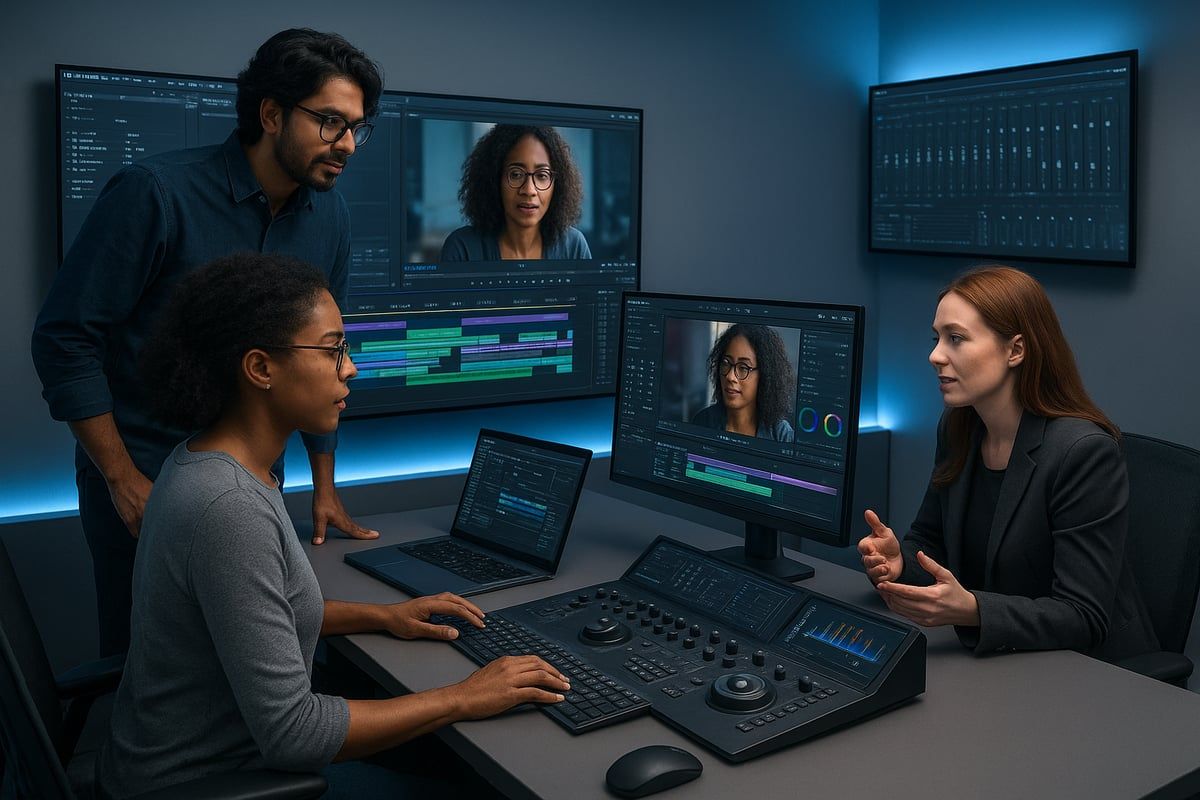
Editing is where your footage transforms into a cohesive narrative. Start by defining the emotional arc that aligns with your create new video objectives. Use editing styles like fast cuts for energy or slow motion for emphasis.
Popular software in 2026, such as DaVinci Resolve and Adobe Premiere Pro, offer AI-assisted features that speed up workflows and enhance accuracy. For example, using jump cuts can boost viewer retention by maintaining a brisk pace. Always review how each cut supports your story, as precision in editing is vital for engagement.
Motion Graphics and Animation Integration
Effective motion graphics can make your create new video stand out, especially when explaining complex ideas. Consider integrating animated elements, such as lower thirds, infographics, or interactive overlays, to add visual interest.
Use animation or motion graphics when they explain something the footage cannot show clearly, such as a process, interface or internal product detail. Scope the assets and revisions before animation begins. Review labels and diagrams for accuracy with the relevant subject expert.
Color Grading and Sound Design
Color grading shapes the mood and tone of your create new video. Apply color theory to evoke specific emotions—warmer tones for energy, cooler shades for calmness. Unique grading styles can set your video apart, as seen in many award-winning projects.
Sound design is equally crucial. Select soundtracks that complement your narrative and mix audio levels for clarity. Use effects and transitions to create a professional finish. Combining meticulous color grading with immersive sound ensures your video resonates with audiences on every level.
Optimizing for Accessibility and Localization
To maximize reach when you create new video content, prioritize accessibility and localization. Add accurate subtitles, descriptive audio, and ensure color contrast meets accessibility guidelines.
Localization may involve translated captions, graphics, voice-over and examples that suit the audience. Have a fluent reviewer check meaning and tone, including product names and technical terms. Automated tools can assist, but final language and accessibility checks still need accountable review.
Quality Assurance and Final Delivery
Before you release your create new video, thorough quality assurance is non-negotiable. Use a detailed checklist to review for errors, consistency, and platform compatibility. Test playback on multiple devices to catch any technical issues.
Leverage cloud-based review platforms for collaborative feedback and faster approvals. For additional tips, explore these 10 online video production tips to refine your post-production workflow. Investing time in QA helps you avoid costly re-edits and helps catch errors before delivery.
Step 5: Distribution, Promotion, and Performance Tracking
Distributing your videos strategically is crucial to ensure all your efforts in planning, production, and editing pay off. In 2026, the landscape is more dynamic than ever, requiring a thoughtful approach to every stage after you create new video content. Here is how to maximize your reach, engagement, and measurable success.
Selecting the Right Platforms for 2026
Choosing where to distribute when you create new video is the foundation of a winning strategy. In 2026, platforms like YouTube, TikTok, and Instagram remain dominant, but emerging networks are quickly capturing niche audiences. Each platform has unique requirements for video length, aspect ratio, and algorithm preferences.
Here is a quick comparison of major platforms:
| Platform | Planning Focus | Check Before Delivery |
|---|---|---|
| YouTube | Viewer question and viewing context | Current upload or ad placement specifications |
| TikTok | Mobile framing and an immediately clear message | Current account and placement requirements |
| The specific Reel, Story or feed placement | Current format, duration and safe-area requirements |
Brands are shifting budgets to short-form video apps, as highlighted in the Top 7 Video Marketing Trends for 2026. Select platforms based on your target audience and content objectives.
Strategic Video Promotion Tactics
Choose paid, organic or owned distribution according to the audience and budget. If using paid social, agree on targeting, spend, creative versions and conversion measurement with the media team. Plan how you will compare results before deciding that a format is working.
Effective tactics include:
- Collaborating with influencers for authentic reach
- Engaging communities through comments and shares
- Using paid ads to target specific demographics
Personalized content and vertical video formats are resonating with audiences, according to Video Marketing Statistics for 2025: Trends & Insights. Tailor your promotion plan to these preferences for maximum ROI.
SEO for Video: Maximizing Discoverability
Describe the video in language its intended audience uses. Search research can help identify relevant questions, but the title and description must match the actual content. If you add structured data, make sure it reflects the visible page and video; markup alone does not guarantee indexing or a rich result.
Use an accurate title, a representative thumbnail and useful supporting text. Search platforms may use these to understand and present the video, but metadata does not guarantee a top position. For website videos, review Google's discovery and indexing requirements.
Analyzing Performance and Iterating
Tracking results is essential after you create new video assets. Focus on metrics such as watch time, engagement rate, and conversions. In 2026, AI-powered analytics platforms provide real-time insights, making it easier to identify what works and what needs improvement.
Set review points around the campaign's objectives and the amount of data available. Compare performance against a relevant baseline, account for changes in spend or audience, and record what you changed. Use the findings to plan the next version rather than assuming every adjustment will improve results.
Adapting to Trends and Audience Feedback
Video trends evolve rapidly, so adapting is vital every time you create new video content. Monitor new formats such as AR, shoppable video, and live streams. Use feedback loops by soliciting viewer input and analyzing comments.
Review results with the team responsible for distribution and measurement. Look at the audience reached, the content watched and the next action taken; a view count alone does not establish business value.
If you need help planning the production, book a strategy session with our team. Bring your audience, message, deadline and intended placements so we can discuss the footage and final versions your project needs.