
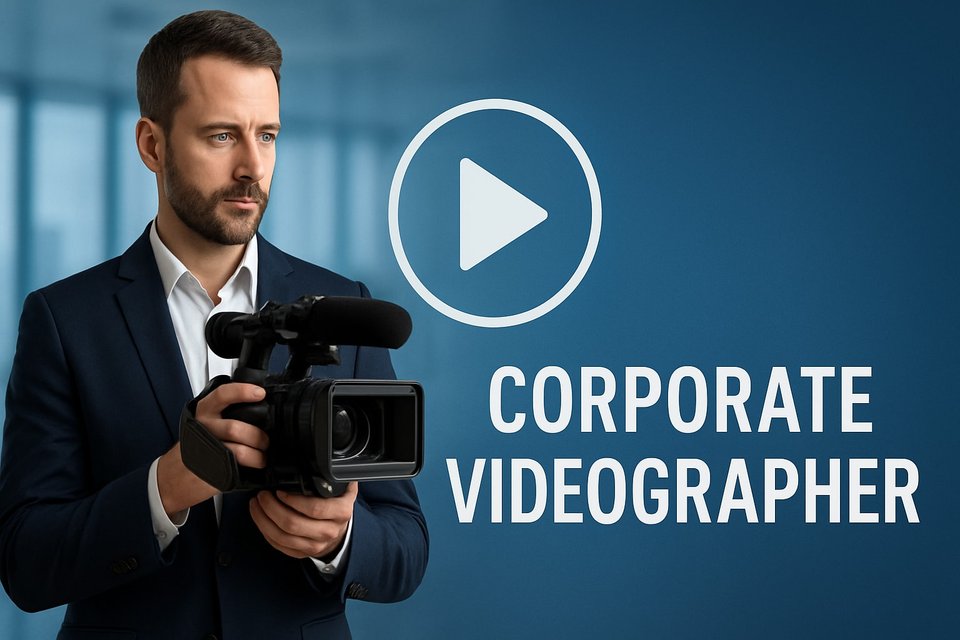
In 2026, the rise of video content is transforming how companies communicate, engage, and grow. The corporate videographer now plays a pivotal role, shaping brand narratives and internal messaging for organizations of all sizes.
This guide is designed to help both businesses and aspiring professionals unlock the secrets to creating impactful corporate videos that truly deliver results. Whether you're aiming to boost brand authority, improve training, or connect with global audiences, mastering these techniques is essential.
Inside, you will find actionable strategies, essential tools, and expert tips for producing high-performance videos tailored for the modern business landscape. From evolving responsibilities and must-have skills to creative storytelling, effective distribution, and future trends, you will gain the knowledge needed to excel.
Ready to elevate your approach and stand out in a video-first world? Let’s explore what it takes to succeed as a corporate videographer in 2026.
The Evolving Role of the Corporate Videographer in 2026
In 2026, the corporate videographer is at the heart of business communication. This role blends technical, creative, and strategic expertise to meet the growing demand for video-driven engagement. As businesses shift to digital-first approaches, the corporate videographer adapts rapidly, ensuring every frame aligns with evolving objectives.

Defining the Corporate Videographer
A corporate videographer is responsible for more than just shooting footage. In 2026, this professional crafts visual narratives that support brand storytelling, internal communications, and workforce training. Unlike commercial videographers, who often focus on product marketing, the corporate videographer is dedicated to expressing the company’s vision, values, and culture.
This distinction is crucial as companies increasingly leverage video for investor relations and transparent communications. The surge in remote work and digital transformation has amplified the demand for these skills. According to AVIXA, corporate videographers now charge between $2,000 and $10,000 per project, reflecting the complexity and strategic value of their work.
Success in this field requires an understanding of both filmmaking and business objectives. For example, organizations use videos to build trust with stakeholders and attract new investors. Recent data shows that 93% of businesses acquire new customers through online video, highlighting the impact of the corporate videographer in today’s business landscape.
Types of Corporate Videos in Demand
The scope of a corporate videographer’s work is broad, covering various video types that serve distinct business needs.
| Video Type | Purpose |
|---|---|
| Promotional & Marketing | Build brand awareness, communicate values |
| Training & Educational | Ensure team alignment, knowledge retention |
| Event Documentation | Capture moments for internal/external use |
| Internal Communications | Share updates, policies, and culture |
| Social Responsibility & DEI | Highlight values and initiatives |
For instance, global brands routinely document conventions and seminars to engage stakeholders worldwide. Training videos keep teams aligned and informed, while promotional content elevates brand presence.
Demand for these video types continues to rise. Videos can increase organic search traffic by up to 157%, demonstrating why the corporate videographer is so vital for modern organizations.
Skills and Qualities for Success
To thrive as a corporate videographer, technical proficiency is just the starting point. Mastery of camera operation, lighting, sound, and editing is essential. However, creative vision is equally important; storytelling and messaging must be innovative and compelling to stand out.
Understanding communication theory allows the corporate videographer to reach diverse audiences with clarity. Project management skills ensure shoots run smoothly and deadlines are met. Adaptability is critical, as formats and platforms evolve rapidly.
Professionals with backgrounds in documentary filmmaking often excel in corporate video roles. This is because they bring a narrative-driven approach to business content. Video content now receives 1,200% more shares than text and images combined, emphasizing the need for these well-rounded skills in every corporate videographer.
Essential Tools and Technologies
Modern corporate videographers rely on a suite of advanced tools to deliver high-quality results. Professional-grade cameras and interchangeable lenses are standard, while lighting equipment is tailored for diverse office environments. Editing software with robust motion graphics capabilities is indispensable.
Cloud-based collaboration tools enable remote teams to work efficiently, and AI-powered analytics provide real-time insights on video performance. Staying updated with the latest equipment and trends is vital—many follow industry newsletters and leading creators for inspiration.
For a detailed overview of what’s essential, refer to the Essential Video Production Equipment Guide, which covers the must-have tools for every corporate videographer. Platform-specific solutions, such as those for YouTube and LinkedIn, help optimize distribution and engagement.
Value Proposition of Corporate Videography
The corporate videographer delivers significant value to modern organizations. Video builds trust and transparency with stakeholders, enhancing brand authority and supporting SEO strategies. Well-produced corporate videos drive measurable business outcomes, including increased leads, sales, and engagement.
Compared to traditional marketing, video production is often more cost-effective and scalable. It also facilitates knowledge sharing and strengthens company culture across distributed teams. A prime example is Coca-Cola’s video campaigns, which have shaped public perception for decades.
Data further supports this value: YouTube ranks as the world’s second most-visited website for daily traffic. The corporate videographer is central to harnessing this potential, turning creative vision into tangible business results.
Step-by-Step Workflow: Crafting Impactful Corporate Videos
Creating a successful corporate video in 2026 requires more than technical know-how. A corporate videographer must follow a structured workflow that aligns creativity with business objectives. This process ensures every video delivers measurable results and maximizes audience impact.

Discovery and Pre-Production Planning
For any corporate videographer, success starts long before the camera rolls. The initial phase focuses on aligning video objectives with broader business goals and defining key performance indicators.
Begin by conducting thorough audience research. Understand your viewers’ pain points, preferences, and expectations. This informs the messaging and creative direction.
Develop detailed scripts or storyboards that anchor the narrative. Plan logistics early to avoid delays:
- Schedule shoot dates and book locations
- Secure on-camera talent and crew
- Prepare equipment checklists
Gaining stakeholder buy-in is essential. Hold collaborative discovery sessions to refine concepts, set expectations, and maximize ROI. According to industry data, projects with clear objectives consistently yield higher engagement rates.
For further guidance on standing out, consider reviewing Standout Corporate Video Tips to elevate your pre-production strategy.
Production: Capturing High-Quality Footage
The production stage is where the corporate videographer brings the plan to life. Assembling a skilled crew is crucial—assign clear roles for camera operators, lighting technicians, sound engineers, and directors.
Set up professional lighting and high-resolution cameras tailored for corporate settings. Sound quality cannot be overlooked, so use dedicated microphones and monitor audio levels throughout.
Direct on-camera talent to ensure authentic and engaging delivery. Capture a mix of A-roll (main interviews or presentations), B-roll (supporting visuals), and environmental shots. Be prepared to adapt quickly to real-time challenges, such as shifting lighting or last-minute schedule changes.
For example, event documentation often requires agile shooting techniques to cover multiple speakers and dynamic activities. Remember, 80 percent of viewers recall a video they've seen in the past month, highlighting the importance of memorable footage.
Post-Production: Editing and Enhancement
A corporate videographer’s work continues in the edit suite. Start by importing and organizing all footage for an efficient workflow. Edit with a focus on clarity, pacing, and emotional resonance.
Enhance videos with motion graphics, branded elements, and captions for accessibility. Color grading and sound mixing add polish and consistency. Solicit stakeholder feedback, then iterate as needed to refine the message.
Adding subtitles not only broadens reach but also increases view times by 12 percent. Accessibility features are increasingly vital for modern audiences.
Consider using tables to track editing progress and stakeholder revisions:
| Task | Owner | Status |
|---|---|---|
| Rough Cut | Editor | In Review |
| Motion Graphics | Designer | Complete |
| Captioning | Assistant | Pending |
By focusing on these details, the corporate videographer ensures the final product meets business and creative objectives.
Review, Delivery, and Performance Tracking
Once editing is complete, conduct a thorough quality assurance process. Check for technical errors, compliance with brand guidelines, and accessibility standards.
Export videos in formats optimized for each distribution channel, whether internal platforms, YouTube, or LinkedIn. Launch the video with a coordinated communication plan to maximize reach.
Monitor analytics, including views, engagement, and conversions. Use feedback from stakeholders and viewers to continuously improve future projects.
Track campaign-specific KPIs after launch. Remember, 54 percent of consumers want to see more video from the brands they support, so ongoing measurement and refinement are essential for a corporate videographer seeking high-impact results.
Creative Strategies for Impactful Corporate Storytelling
Modern audiences crave authentic, memorable stories that cut through the noise. For a corporate videographer, mastering creative storytelling strategies is essential for building brand loyalty and driving engagement. By combining narrative frameworks, visual innovation, inclusivity, and data-driven insights, today’s corporate videographer can transform any video into a powerful business asset.

Developing Compelling Narratives
Every corporate videographer knows that a strong narrative is the backbone of effective video content. Start by identifying your core message and the emotional response you want to evoke. Use classic storytelling structures such as the problem-solution model or the hero’s journey to guide your script.
Humanizing your brand is vital. Feature real employees or customers and let their voices tell the story. Striking a balance between authenticity and professionalism ensures your message resonates across audiences. For example, executive interviews sharing the company’s vision can foster trust and clarity.
Story-driven videos crafted by a skilled corporate videographer can increase retention by 22 percent, making your message both memorable and actionable.
Visual and Audio Techniques for Engagement
Visual and audio choices set the tone for any project. A corporate videographer leverages dynamic camera angles, creative framing, and movement to keep viewers engaged. Incorporate branded motion graphics and animation to reinforce identity and simplify complex ideas.
Music and sound design are equally important. Select tracks that match your message’s mood and use sound effects to create atmosphere. User-generated content and testimonials add authenticity and relatability.
Animated explainers by a corporate videographer can boost engagement by up to 30 percent, making technical topics accessible and enjoyable for all viewers.
Inclusivity and Accessibility in Video Content
Inclusivity is no longer optional for a corporate videographer. Ensure diverse representation in both casting and messaging to reflect your audience. Add captions, translations, and audio descriptions so all viewers, regardless of ability, can access your content.
Adhering to accessibility standards like WCAG is essential. For instance, showcasing DEI initiatives through storytelling demonstrates both commitment and leadership. With 85 percent of Facebook videos watched without sound, providing accessible options is crucial for reach.
A corporate videographer who prioritizes inclusivity will help companies connect with wider audiences and foster a culture of belonging.
Platform-Specific Creative Approaches
Each platform presents unique opportunities for a corporate videographer to maximize impact. Tailor your videos for LinkedIn, YouTube, Instagram, or internal networks by optimizing aspect ratios, length, and format. Short, vertical videos work best for mobile-first platforms, while longer form content suits YouTube and internal communications.
Embrace trends such as shorts, stories, and live streams to boost shareability. Interactive and shoppable videos are also rising in popularity, offering new ways to engage viewers and drive action. For more on this trend, see Interactive and Shoppable Videos.
A corporate videographer who adapts to platform trends ensures content remains relevant and widely shared.
Measuring Creative Success
A corporate videographer must define clear creative KPIs to track success. Metrics like brand recall, sentiment, and share rate provide insight into what resonates. Use A/B testing to optimize creative elements such as visuals, messaging, or calls to action.
Collect qualitative feedback from your audience to refine future videos. Viral campaigns, for example, can be measured by tracking engagement metrics and conversions. With 64 percent of consumers making purchases after watching branded videos, data-driven creativity is essential.
By consistently evaluating performance, a corporate videographer delivers results that align with business goals and audience expectations.
Distribution, Promotion, and ROI Measurement
In 2026, the success of any corporate videographer hinges not only on production quality, but also on expert distribution, promotion, and precise measurement of results. Navigating the digital landscape requires a strategic approach to maximize reach and return on investment. Let us explore essential tactics that ensure your corporate video content stands out and delivers measurable business impact.

Multi-Channel Distribution Strategies
To reach today’s diverse audiences, a corporate videographer must adopt a multi-channel distribution plan. Effective strategies involve sharing videos across your company website, social media platforms, internal communication systems, and email newsletters.
Consider launching videos in tandem on LinkedIn and YouTube to capture both professional and public audiences. Schedule releases for times when your target viewers are most active, boosting early engagement. Combine organic posting with paid promotion to amplify reach and generate momentum.
For events, integrate videos into presentations and virtual conferences, ensuring both live and on-demand access. This approach keeps your brand top-of-mind and extends the lifespan of your video assets. By leveraging a coordinated, multi-channel plan, a corporate videographer can ensure every video delivers maximum value and visibility.
SEO and Video Optimization Techniques
Optimizing video for search engines is a critical task for any corporate videographer aiming to drive organic discovery. Start by crafting keyword-rich titles, descriptions, and tags tailored to both your audience and platform algorithms.
Eye-catching thumbnails are essential for grabbing attention in crowded feeds. Incorporate compelling calls to action directly in the video and description, prompting viewers to engage or learn more. Embedding videos on high-traffic landing pages can significantly boost dwell time and SEO authority.
To further enhance discoverability, utilize video transcripts and closed captions. These not only improve accessibility but also provide additional content for search engines to index. Consistent optimization ensures your corporate videographer efforts translate into higher rankings and increased inbound traffic.
Social Media Amplification
Social platforms are powerful amplifiers for corporate videographer content. Adapt videos for vertical or square formats to fit the requirements of Instagram, LinkedIn, and TikTok. Use trending hashtags and current topics to align with platform algorithms and expand reach.
Encourage employee advocacy by having staff share videos within their networks. Partner with industry influencers to further boost visibility and credibility. Schedule posts to coincide with company news or campaigns for maximum impact.
Interactive features, such as polls or live Q&A sessions, help foster engagement and community around your brand. By actively promoting content and leveraging platform-specific tools, a corporate videographer can transform a single video into a viral asset that drives real business results.
Analyzing Performance and ROI
Measuring the impact of your video strategy is essential for continuous improvement. A corporate videographer should track metrics such as views, watch time, engagement rates, conversions, and cost per lead. Utilize advanced analytics tools to gain insights into audience behavior and campaign effectiveness.
Compare results across channels to identify the most effective platforms for your brand. Calculate ROI by linking video performance to business outcomes like leads generated or sales closed. For a deeper understanding of the value video brings, review resources like the Benefits of Corporate Video Production, which outlines key advantages for businesses.
Regularly gather feedback from stakeholders and viewers to refine future projects. With a data-driven mindset, a corporate videographer can consistently deliver content that meets and exceeds organizational goals.
Future Trends and Innovations in Corporate Videography
The landscape for every corporate videographer is evolving at a rapid pace. In 2026, staying ahead means embracing new technologies, storytelling formats, and production practices. Businesses and professionals must adapt to these shifts to create videos that resonate, engage, and deliver measurable results.
AI and Automation in Video Production
Artificial intelligence is transforming how a corporate videographer approaches editing, script development, and content personalization. AI-powered tools handle repetitive editing, generate scripts based on brand guidelines, and even adapt video content for specific audiences.
Automated analytics now provide real-time insights into viewer engagement, allowing teams to optimize content before and after launch. For example, AI tools can streamline post-production, enabling faster turnaround and greater consistency. In fact, 40% of video marketers use AI for editing in 2026.
To learn more about how these tools are shaping the field, explore AI and Machine Learning in Video Editing, which highlights automation and quality optimization in the industry.
Interactive and Immersive Video Experiences
The modern corporate videographer is pushing boundaries with interactive and immersive video formats. Technologies like 360-degree video and virtual reality are now standard for training, onboarding, and large-scale events.
Adding interactive elements, such as quizzes or clickable calls to action, significantly boosts engagement. For example, VR onboarding modules help remote teams connect more deeply with company culture. Interactive videos increase engagement by 47%, making them a top choice for innovative brands.
For insights into these cutting-edge formats, review Virtual Production and Volumetric Sets to see how creative and cost-effective solutions are becoming mainstream.
Personalization and Data-Driven Storytelling
Personalization is a powerful tool for every corporate videographer aiming to connect with diverse audiences. By leveraging CRM and behavioral data, teams can deliver dynamic video content tailored to individual viewer segments.
This approach is especially effective in sales outreach, where personalized video messages drive higher engagement. For instance, companies see a 16x increase in email open rates when using personalized video. Data-driven storytelling ensures every video aligns with business goals and audience needs.
As personalization technology advances, expect even deeper integration with marketing and analytics platforms in corporate video production.
Sustainability and Ethical Production Practices
Sustainability is now a priority for every corporate videographer. Eco-friendly production methods, such as using energy-efficient equipment and reducing waste, are increasingly common. Brands also use video to communicate their environmental efforts transparently.
For example, a company might showcase its green initiatives through behind-the-scenes sustainability videos. With 73% of consumers preferring brands that adopt sustainable practices, ethical production is not just a trend, but a business imperative.
Ethical storytelling and responsible resource management are setting new standards in the industry.
Evolving Audience Expectations and Content Formats
Audience expectations are shifting, and corporate videographer teams must respond with authentic, concise, and mobile-first content. Viewers now favor videos under two minutes, especially for internal updates and microlearning.
Short-form videos deliver key messages quickly, keeping employees and stakeholders informed without overwhelming them. For example, snackable training modules increase information retention and engagement. Currently, 68% of viewers prefer brief, impactful video content.
Staying agile with format and tone will help brands connect with modern audiences.
Building Future-Ready Video Teams
To thrive, a corporate videographer must continually upskill in technology, storytelling, and analytics. Future-ready teams are diverse, creative, and agile, often blending marketing and production expertise.
Cross-functional collaboration ensures videos meet both creative and business objectives. For example, companies investing in video training see higher engagement and ROI. In 2026, 92% of organizations prioritize ongoing education for their video teams.
Embracing lifelong learning and team diversity will be key to success in the next era of corporate videography.
As you’ve seen, impactful corporate videos in 2026 demand not only creativity and technical skill but also a strategic approach tailored to your business goals. If you’re ready to translate these insights into real results and want guidance on how to make your next video project truly stand out, we’re here to help. Let’s discuss your vision, identify the right strategies, and ensure your content delivers measurable ROI. You don’t have to navigate the evolving world of corporate video alone—take the next step and Book a strategy session with our team today.