

Wondering how much to set aside for your next project? Corporate video pricing continues to be a source of confusion for many businesses as rates shift with new technology and market trends.
It is more important than ever to fully understand the factors that influence what you will pay. This guide aims to demystify corporate video pricing for 2026, giving you the clarity needed to budget wisely and avoid unexpected costs.
Inside, you will find clear breakdowns of cost ranges, the main factors affecting prices, insights into future trends, practical budgeting steps, and proven ways to save without sacrificing quality.
Use this guide to plan confidently and secure the best value for your next video investment.
The State of Corporate Video Pricing in 2026
Understanding the landscape of corporate video pricing in 2026 is essential for any organization planning video projects. The market has evolved rapidly, influenced by new technologies, shifting production models, and changing business needs. Let’s break down how pricing has changed, what you can expect by video type, and which factors shape costs across regions and industries.
Evolution of Pricing Over the Past Decade
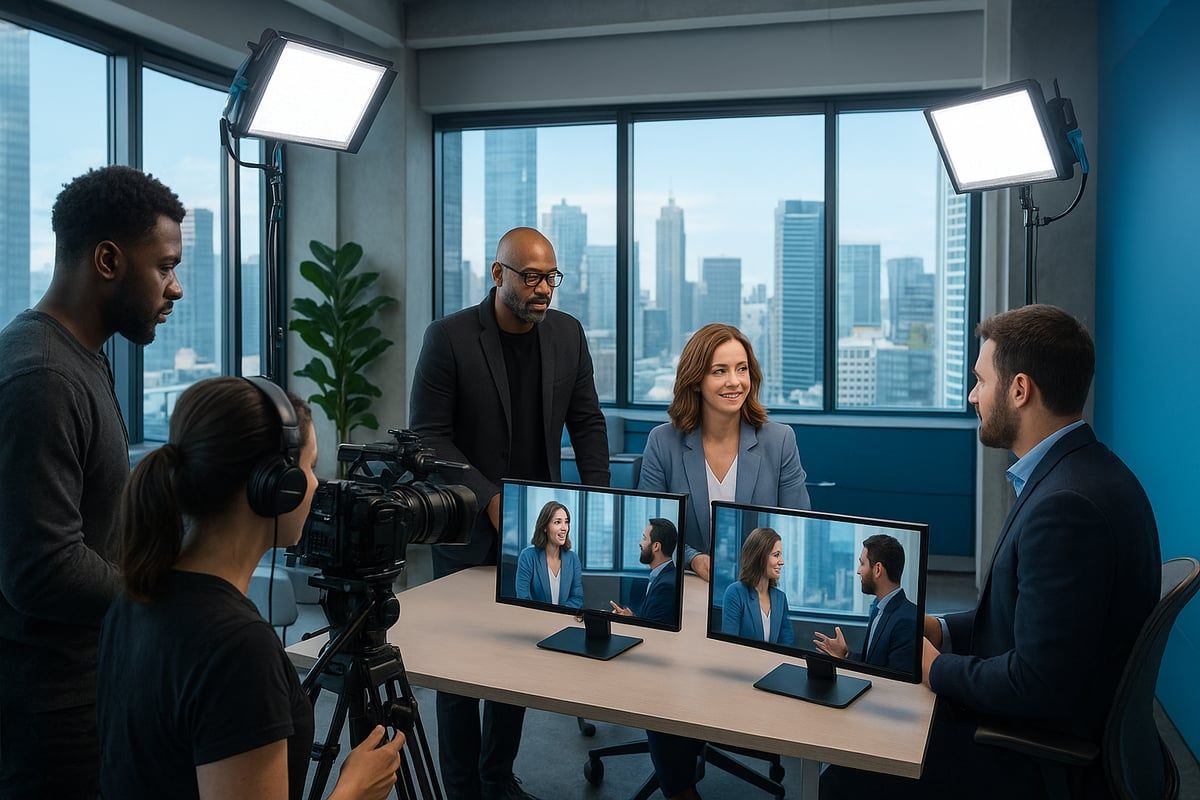
Corporate video pricing has transformed dramatically from 2016 to 2026. A decade ago, most projects relied on traditional live-action shoots, often requiring large crews, extensive equipment, and on-location logistics. Budgets for these projects were typically high, with limited flexibility for remote or hybrid production.
Today, the adoption of AI, automation, and cloud-based workflows has streamlined many aspects of production. Remote interviews, virtual sets, and automated editing are now commonplace, reducing both time and cost. In 2025, typical costs for corporate video pricing ranged from $1,000 to $20,000+ per finished minute, according to Corporate video production costs in 2025. This range reflects the diversity of video types and production approaches now available.
For example, a traditional live-action video in 2016 might have required a full day of on-site filming with a five-person crew, while a comparable 2026 project could leverage a hybrid approach, combining remote interviews and AI-driven post-production at a fraction of the cost. As a result, corporate video pricing is more accessible, but also more variable, depending on project scope and technology use.
Current Price Ranges by Video Type
The type of video you choose heavily influences your budget. In 2026, cost ranges vary widely based on complexity, style, and production needs. Here’s a summary:
| Video Type | Description | 2026 Cost Range (per minute) |
|---|---|---|
| Explainer/Product Demo | Animated or live-action demos | $2,000–$20,000+ |
| Training/Onboarding | Educational, modular content | $1,000–$10,000+ |
| Event Coverage | Conferences, launches, highlights | $1,500–$15,000+ |
| Testimonial/Interview | Client or staff interviews | $1,000–$15,000+ |
| Brand Story/Culture | Narrative-driven branding | $5,000–$15,000+ |
These ranges reflect the current state of corporate video pricing and allow for flexibility based on individual project goals. For example, a two-minute animated explainer with custom graphics will cost more than a one-minute talking-head testimonial shot in a single location.
Regional Pricing Variations
Geography plays a significant role in corporate video pricing. Major production hubs in North America, such as Toronto and Los Angeles, tend to have higher rates due to labor costs, equipment availability, and local demand. In contrast, regions in Asia or Eastern Europe may offer lower pricing, often with comparable quality for certain types of content.
Urban locations generally command a premium, especially when factoring in permits, travel, and specialized crews. For instance, filming in downtown Toronto will likely cost more than in a rural area or a dedicated remote production studio. Remote production hubs, leveraging cloud collaboration and virtual sets, are bridging the gap, offering competitive rates regardless of physical location.
Market Demand and Its Influence on Pricing
Trends in business and technology have a direct impact on corporate video pricing. The surge in remote and hybrid work has increased demand for training, onboarding, and internal communication videos. At the same time, the rise of digital marketing and e-learning has fueled the need for high-quality, branded content.
Demand spikes often occur during product launches, industry events, or seasonal campaigns. During these periods, production rates can rise due to limited availability of top-tier crews and resources. Staying aware of these patterns allows organizations to plan ahead and secure more favorable pricing.
Understanding these dynamics will help you navigate the complexities of corporate video pricing in 2026 and make informed decisions for your next project.
Key Factors Influencing Corporate Video Pricing
Understanding what drives corporate video pricing in 2026 is essential for accurate budgeting and smart decision-making. Multiple elements factor into the final quote you receive, and each can significantly impact your costs. Let’s break down the most influential aspects and how they shape your investment.
Video Style and Complexity
The style and complexity of your project are primary drivers of corporate video pricing. Live-action shoots, animated explainers, and hybrid formats each come with unique requirements and cost structures.
Animation, for example, varies widely in price. 2D animation typically ranges from $1,500 to $8,000 per minute, while 3D animation often commands much higher fees due to specialized skills and longer production times.
| Animation Type | Typical Price Range (per minute) |
|---|---|
| 2D Animation | $1,500 – $8,000+ |
| 3D Animation | $5,000 – $20,000+ |
The more complex the motion graphics, visual effects, or storytelling, the higher the overall cost. For further insights on how creative choices impact budgets, see Creating Great Corporate Video.
Video Length and Content Depth
It is a common misconception that longer videos always cost more. In reality, complexity often outweighs duration in corporate video pricing.
A 90-second highly customized animation may require more resources than a straightforward five-minute talking-head interview. Multi-module projects, such as a series of training videos, also increase costs incrementally as scripting, editing, and review time add up.
When planning, evaluate both the depth of your content and the intended runtime to predict costs accurately.
Number of Locations and Logistics
The number and type of locations involved play a crucial role in corporate video pricing. Single-location shoots, such as an office interview, are more cost-effective.
Multi-location shoots, especially those requiring travel, permits, or international coordination, can significantly raise your budget. For example, filming at a factory and then at a retail site, plus remote interviews, involves extra logistics, transportation, and scheduling considerations.
Always outline your location needs early to avoid surprise expenses and delays.
Crew Size and Expertise
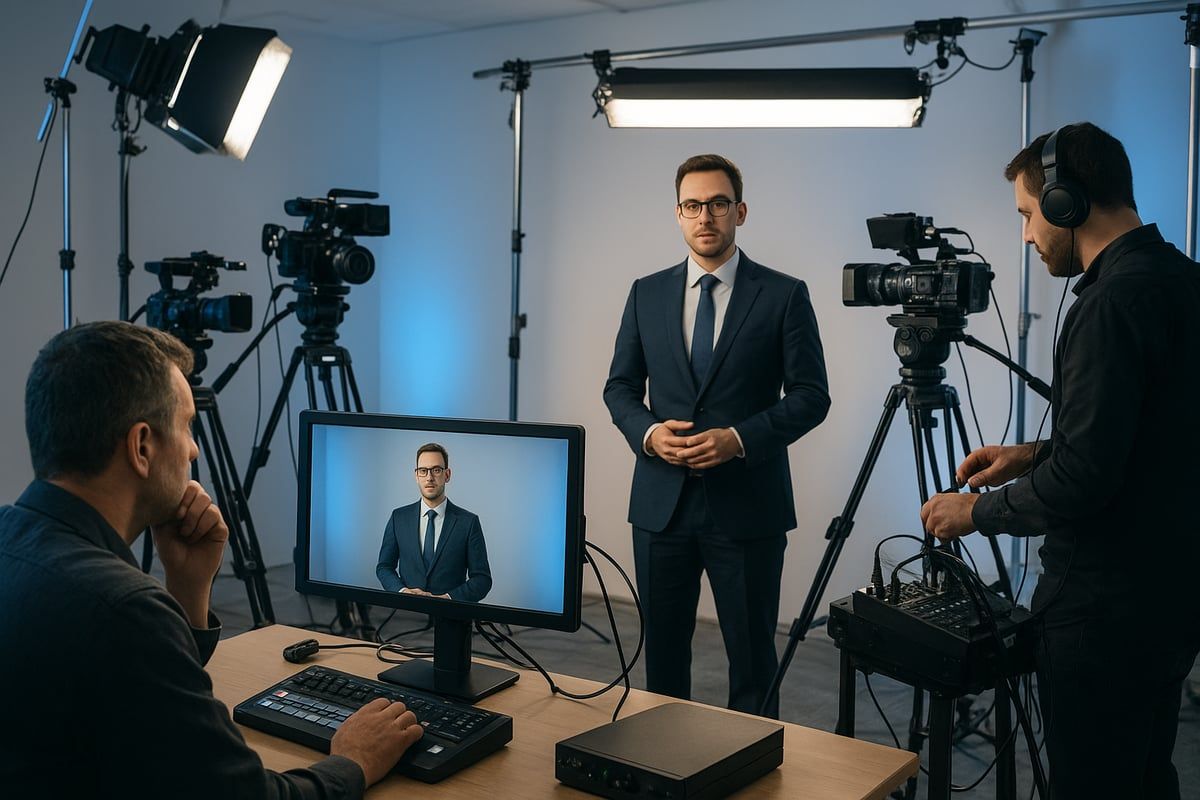
The size and expertise of your production crew directly influence corporate video pricing. Projects requiring a director, cinematographer, motion designer, lighting technician, and multiple editors will naturally cost more than those managed by a small, versatile team.
Premiums are often charged for highly experienced or award-winning professionals, whose expertise can elevate the finished product. When weighing proposals, balance the value of specialized talent against your overall budget.
Equipment and Technical Requirements
The choice of equipment can cause wide fluctuations in corporate video pricing. Basic single-camera setups are more affordable, while high-end gear—such as 4K multi-camera rigs, drones, or virtual production tools—adds to the bottom line.
For instance, using advanced cameras and lighting for cinematic quality will require both higher rental fees and skilled operators. Assess whether your goals justify these upgrades or if a simpler approach will suffice.
Talent and Voiceover Costs
Selecting the right talent is another essential factor in corporate video pricing. Professional actors, voiceover artists, and subject matter experts each have their own pricing tiers.
Union talent often comes at a premium, with additional requirements for contracts and usage rights. Using in-house staff can reduce costs but may affect the final quality. Carefully consider the trade-offs between authenticity, professionalism, and budget.
Scheduling, Timeline, and Project Management
Tight deadlines and complex schedules can increase corporate video pricing. Rush fees, overtime, and last-minute changes all add to your costs.
Delays or rescheduling may also incur additional charges, especially if crew or equipment availability is limited. Investing in thorough pre-production planning and clear communication helps minimize these risks and keeps your project on track.
Audio, Music, and Licensing
High-quality sound and music are vital for professional video. In corporate video pricing, custom music scores or licensed tracks are more expensive than royalty-free options.
Budget for sound design, professional mixing, and any required licensing fees. Choosing royalty-free music can be a cost-effective solution, especially for standard corporate communications.
Hidden and Overlooked Costs
Several factors are often overlooked when estimating corporate video pricing. These include:
- Pre-production meetings and creative development
- Additional revisions beyond the initial scope
- Location fees, travel, and accommodation
- Subtitles and localization for global audiences
For example, extra rounds of revisions, unexpected travel needs, or last-minute music licensing are common sources of budget overruns. Always build a contingency into your budget to cover these possibilities.
Step-by-Step Guide: How to Budget for Corporate Video Production in 2026
Budgeting for corporate video production in 2026 demands more than guesswork. With evolving technology and rising standards, controlling costs starts with strategy. This step-by-step approach empowers you to navigate corporate video pricing with confidence, whether you are a marketing manager or a business owner. For a deeper dive into the full process and its impact on costs, see this Corporate Video Production Guide.

Step 1: Define Project Goals and Scope
Every successful budget starts with clarity. Identify the primary goal of your video, whether it is training, a brand story, or a product demo. Pinpoint your target audience and the core message you want to deliver. By defining the scope early, you prevent scope creep, which is a major driver of unexpected corporate video pricing increases.
Ask yourself:
- What business outcome am I aiming for?
- Who needs to see this video?
- What action should viewers take?
Document these answers. The clearer your scope, the more accurate your budget for corporate video pricing will be.
Step 2: Choose the Right Video Style
Selecting the correct video style impacts both results and corporate video pricing. Live-action, animation, or hybrid options each have unique cost profiles. For example, a simple screencast is typically more affordable than a 2D animated explainer or a multi-location live shoot.
Reference the cost ranges from earlier sections. Match style to your goals and available budget, ensuring you do not overspend on unnecessary production elements.
Step 3: Determine Length and Content Requirements
Decide how long your video should be and how complex the content needs to get. While many assume longer videos always cost more, complexity is often the bigger factor in corporate video pricing. A 90-second custom animation may require more budget than a straightforward five-minute talking-head piece.
List out all content modules, scripts, and any special requirements like subtitles or localization. Factor these into your initial cost estimate for an accurate corporate video pricing plan.
Step 4: Assess Location and Logistics Needs
The number and type of locations can quickly affect corporate video pricing. Will your shoot take place in a single office, or multiple sites across cities or countries? Remember to include travel, permits, and logistical support in your planning.
A one-location shoot is usually more cost-effective than coordinating several locations. Always confirm what is essential to your story and audience to keep costs under control.
Step 5: Plan for Talent and Crew
Determine if you will use in-house staff or professional talent for your video. Professional actors, voiceover artists, and experienced crew members can elevate quality but also increase corporate video pricing. Consider the roles you truly need: director, camera operator, editor, and any specialists.
Weigh the benefits of expertise against your available budget. For smaller projects, leveraging internal resources may help reduce corporate video pricing without sacrificing your message.
Step 6: Allocate for Equipment and Technical Needs
List all required equipment, from cameras and lighting to drones and virtual sets. High-end gear can raise corporate video pricing, but sometimes standard equipment suffices. Evaluate the necessity of each item based on your project’s goals.
If your video will be distributed widely or represents your brand’s flagship, investing in better equipment may be justified. For internal training, simpler setups often deliver solid results at a lower cost.
Step 7: Build in Buffer for Hidden Costs
Unexpected expenses are common in corporate video pricing. Always include a contingency line in your budget, typically 10 to 20 percent of the total. This buffer covers extra revisions, overtime, licensing fees, or last-minute changes.
Examples of hidden costs:
- Additional creative meetings
- Travel delays or accommodation
- Extra rounds of feedback
Planning for these surprises keeps your corporate video pricing realistic and prevents financial stress later.
Step 8: Review and Finalize Budget
Before moving forward, review every budget line with stakeholders. Cross-check costs, confirm deliverables, and align on timelines. Using a budget template or cost estimator tool helps ensure accuracy and transparency.
Data shows that thorough pre-production planning can reduce average budget overruns by up to 30 percent. Finalizing your corporate video pricing at this stage gives you control and confidence as you move into production.
Cost-Saving Strategies Without Compromising Quality
Maximizing value without sacrificing results is crucial when navigating corporate video pricing. While budgets are always top of mind, quality does not have to suffer if you implement smart, proven strategies. Here are actionable ways to keep production costs in check and still achieve a high-impact video.
1. Streamline Pre-Production and Scripting
Investing in detailed pre-production planning is one of the most effective ways to manage corporate video pricing. Clear creative briefs, script outlines, and storyboards minimize confusion and reduce costly revisions during filming and editing.
For practical tips on this, see the 5 Rules for Corporate Video Production, which highlights the importance of thorough planning and communication.
2. Leverage In-House Resources Where Appropriate
Using internal staff as on-screen talent or for simple production roles can help lower costs. However, balance this with the need for professional polish. In-house talent works well for straightforward training videos, but for brand stories or high-profile campaigns, professional actors or presenters may be worth the investment.
3. Opt for Single-Location or Remote Shoots
Limiting your shoot to one location or choosing remote production can significantly reduce travel, equipment transport, and crew costs. Remote interviews or virtual event coverage are now widely accepted and can offer excellent value within your corporate video pricing plan.
4. Use Template-Based or Modular Video Approaches
Repurposing assets across multiple videos or campaigns saves both time and money. Modular scripting is especially effective for training content, letting you reuse intro, outro, or common instructional segments across several modules.
5. Negotiate Package Deals or Retainers
If you anticipate ongoing video needs, consider negotiating package rates or annual retainers with your production partner. This often results in better per-video pricing, locking in rates and ensuring consistent quality for your corporate video pricing strategy.
6. Prioritize Essential Features Over “Nice-to-Haves”
Focus your budget on elements that directly contribute to your business objectives and ROI. Skip advanced visual effects, celebrity talent, or elaborate sets unless they are essential to your message. Keeping things simple often leads to more authentic and effective videos.
7. Utilize Royalty-Free Music and Stock Footage
Incorporate royalty-free audio and stock B-roll for generic scenes to avoid expensive licensing fees. Many high-quality options are available that can elevate production value while keeping corporate video pricing manageable.
8. Monitor and Limit Revision Rounds
Set clear expectations for feedback and revision rounds in your contract. Excessive changes can quickly eat into your budget and extend timelines. Communicate revision limits to all stakeholders at the start to maintain control over costs.
Summary Table: Cost-Saving Strategies
| Strategy | Key Benefit |
|---|---|
| Pre-production planning | Fewer revisions, less rework |
| In-house resources | Reduces talent and crew expenses |
| Single-location/remote shoots | Cuts travel and logistics costs |
| Modular/template-based videos | Enables asset reuse |
| Package deals/retainers | Locks in lower rates |
| Prioritize essentials | Maximizes ROI |
| Royalty-free music/stock footage | Lowers licensing fees |
| Limit revision rounds | Prevents budget overruns |
By implementing these strategies, you can stretch your budget further and still achieve professional, impactful results. Smart planning and disciplined execution are the keys to making corporate video pricing work for your organization’s goals.
Corporate Video Production Trends and Pricing Outlook for 2026
The landscape of corporate video pricing is evolving rapidly as technology, market demands, and client expectations shift. Understanding these emerging trends is essential for organizations planning video investments in 2026. Let us break down the most significant production and pricing developments shaping the future.
Increased Use of AI and Automation
Artificial intelligence and automation are transforming every stage of video production. In 2026, AI-driven editing, automated scripting, and even AI-generated animation are streamlining workflows and reducing costs. These innovations are making corporate video pricing more accessible, especially for businesses seeking high-quality content on tighter budgets. According to AI-driven video marketing trends for 2026, companies are rapidly adopting AI tools to speed up production and personalize viewer experiences. This trend is expected to continue as new platforms emerge.
Growth of Remote and Hybrid Production Models
Remote and hybrid production approaches are now mainstream. Teams are leveraging cloud-based collaboration, remote interviews, and virtual sets to minimize travel and location expenses. This flexibility allows organizations to control corporate video pricing more effectively, as fewer on-site resources are required. Companies can connect talent and crews from anywhere, reducing logistical challenges and accelerating project timelines. For many, this means faster turnaround and lower overhead without sacrificing production quality.
Demand for Short-Form and Vertical Video Content
Short-form and vertical videos have become essential for reaching audiences on platforms like TikTok, Reels, and LinkedIn. These formats are driving companies to rethink their video strategies and adjust corporate video pricing models. While shorter videos typically cost less per project, brands often increase their content volume to maintain visibility. The emphasis on mobile-first video encourages concise messaging, creative visuals, and frequent posting, all of which can influence annual video budgets.
Customization and Personalization at Scale
Personalized video content is now a key driver of engagement and ROI. Advances in data analytics and automation enable companies to deliver tailored messages to different audience segments efficiently. This shift impacts corporate video pricing by introducing new layers of complexity, such as dynamic content generation and variable scripting. For instance, onboarding videos can now be customized for each employee, improving relevance and retention while requiring careful planning and budget allocation.
Sustainability and Green Production Practices
Sustainability is a growing priority for corporate video production. Companies are adopting eco-friendly practices, including virtual sets, digital asset reuse, and reduced travel. These methods not only lower environmental impact but can also affect corporate video pricing by streamlining logistical needs. Green production practices are likely to become industry standards, helping businesses align with broader ESG goals while managing costs.
Evolving Client Expectations and ROI Focus
Clients are demanding more measurable outcomes from their video investments. This shift is prompting production partners to offer performance-based or value-driven pricing models instead of flat rates. As businesses seek clearer ROI for their corporate video pricing, there is greater emphasis on strategic planning, analytics, and post-production optimization. Transparent communication and ongoing support are crucial for meeting these evolving expectations in 2026.
Predicted Price Fluctuations and Market Factors
Corporate video pricing will remain sensitive to global factors such as inflation, supply chain disruptions, and talent shortages. These variables can lead to fluctuations in rates, especially for specialized skills or equipment. Organizations should monitor market conditions and build contingency into their budgets to accommodate potential cost increases. Staying informed about industry trends will help mitigate risks and ensure successful video projects.
Choosing the Right Video Production Partner
Selecting the right partner for your corporate video project is a decision that impacts quality, timelines, and your return on investment. As corporate video pricing continues to evolve, understanding what to look for in a production company is essential. This section provides a step-by-step approach to help you evaluate potential partners and make confident choices.
Evaluating Expertise and Portfolio
Begin your search by examining the production company’s experience and past work. Look for a portfolio that demonstrates a range of video styles and industries relevant to your needs. A strong portfolio signals the team’s ability to handle diverse projects and adapt to different brand voices.
Request client testimonials and case studies that align with your project goals. This step ensures the company understands the nuances of your sector. When reviewing portfolios, pay attention to production quality and storytelling. These factors influence corporate video pricing and the value you’ll receive for your investment.
Understanding Process and Communication
Transparent communication is vital in any production partnership. Ask potential vendors to outline their process from discovery to delivery. A clear workflow, including timelines, milestones, and revision rounds, helps prevent misunderstandings and hidden costs.
Effective project management and regular updates keep your production on track. Companies with a structured approach often deliver better results and more predictable corporate video pricing. Clarify expectations for feedback, approvals, and escalation procedures, so everyone stays aligned throughout the project.
Balancing Quality and Budget
Balancing quality with budget is a central concern for most organizations. When reviewing proposals, weigh the value of each deliverable against its cost. Beware of quotes that seem unusually low, as they may signal inexperience or hidden fees.
Ask vendors to break down their corporate video pricing for transparency. Consider the long-term benefits of a professionally produced video, such as increased engagement and brand credibility. For more insights on the value of video investment, you might explore the 10 Benefits of Corporate Video Production.
Why Work with Viva Media for Corporate Video Production?
Viva Media stands out for its expertise in crafting high-performance, results-driven video content. The team blends strategic storytelling with creative development, ensuring every project aligns with your business objectives. Their portfolio features successful collaborations with leading brands, demonstrating their ability to deliver measurable outcomes.

Viva Media’s full-service approach covers every stage from discovery to ROI tracking, offering flexible project management and fast turnaround times. With a local presence in Toronto and the GTA, they provide tailored support for regional clients. When considering corporate video pricing, Viva Media’s focus on value and results makes them a strong partner for your next project.
Requesting and Comparing Quotes
Always request itemized proposals from multiple vendors. Compare line-by-line costs, timelines, and deliverables to ensure you are evaluating equivalent services. This approach helps you understand how each aspect of the project contributes to overall corporate video pricing.
Ask about revision policies, contingencies, and included features. Use a comparison table to visualize differences and clarify which vendor best meets your needs. Transparent quotes reduce the risk of budget surprises and support informed decision-making.
Ensuring Ongoing Support and Optimization
Post-production support and performance tracking are often overlooked but critical for maximizing your video’s impact. Choose a partner that offers ongoing optimization and is willing to refine your video based on real-world results.
A long-term relationship with your production partner enables continuous improvement and adaptation to evolving business needs. Reliable support also ensures your investment in corporate video pricing delivers sustained value over time.
Now that you have a clearer understanding of what shapes corporate video pricing in 2026—from evolving technology to smart budgeting strategies—you are better equipped to plan with confidence. Partnering with a results-focused team like Viva Media means you can expect transparency, creativity, and measurable impact at every step. If you are ready to explore how a tailored video solution can drive real ROI for your business in Toronto or beyond, let us help you take the next step.
Start a project
and discover what your next high-performance video could achieve.