
In 2026, the surge in concept video usage is transforming how brands communicate and innovate online. With audiences demanding clarity and creativity, mastering concept video creation is now essential for marketers, startups, and creatives.
This guide delivers a step-by-step approach to concept video success, from defining the format to leveraging the latest tools, optimizing distribution, and forecasting future trends.
Ready to harness the power of visual storytelling and gain a competitive edge? Let’s explore the most effective strategies for impactful concept video creation in today’s fast-paced digital landscape.
What Are Concept Videos? Defining the Format and Its 2026 Relevance
A concept video is a short, visually driven piece designed to bring abstract ideas, new products, or innovative services to life before they exist in their final form. Unlike traditional explainer videos, promo clips, or brand films, a concept video focuses on communicating vision, potential, and unique value. Its primary role is to help audiences visualize what could be, whether that means pitching a groundbreaking product, illustrating a complex technology, or sharing a bold new business model.
In 2026, the concept video has become one of the most powerful storytelling formats for brands and startups. Its objectives extend beyond explanation. A concept video is crafted to inspire, persuade, and spark imagination. It enables organizations to pitch ideas to investors, preview products to customers, and test responses before full-scale development. The format excels in scenarios where innovation or transformation is central.
The evolution of the concept video has been driven by the rapid rise of new platforms and changing audience expectations. With the explosion of short-form content and the demand for instant impact, concept videos have adapted to be concise, visually rich, and highly shareable. In fact, recent data shows that in 2026, over 60% of tech product launches and 55% of educational campaigns include a concept video as a core asset. Engagement rates with this format have climbed, with viewers spending an average of 42% longer on landing pages featuring a concept video compared to those without.
Why is the concept video so crucial today? In a digital landscape where attention is scarce and competition is fierce, brands need a way to cut through the noise. A well-crafted concept video can elevate brand perception, clarify complex ideas, and generate excitement among both customers and investors. For example, leading startups have used concept videos to fuel crowdfunding campaigns, secure millions in pre-orders, and validate product-market fit before manufacturing begins.
Common misconceptions often surround the concept video. Some believe it is simply another explainer or promo video. In reality, its unique value lies in its ability to distill ambitious ideas into a compact, emotionally engaging narrative. Unlike other formats, a concept video is not limited to what already exists—it can visualize the future, making it indispensable for innovation-driven sectors.
As demand for high-impact visual communication grows, the need for concise, memorable content is at an all-time high. Brands that master the concept video will enjoy stronger engagement, better retention, and higher conversion rates. For deeper insights into how animation and video enhance engagement, see Animation and videos for engagement.
In summary, the concept video stands apart in 2026 as a strategic asset for brands looking to communicate vision, drive interest, and stay ahead in a fast-moving digital world.
Step 1: Ideation and Scripting—Building a Strong Foundation
Crafting a compelling concept video starts with a thoughtful foundation. In 2026, brands cannot afford to improvise or rely on guesswork. The right idea, tailored to your audience, sets the stage for a concept video that not only grabs attention but drives real results.

The Importance of a Solid Foundation
Before you write a single line of script, define your objectives. What do you want your concept video to achieve? Is it to launch a product, explain a new idea, or inspire your audience?
Understanding your target audience is essential. Consider demographics, pain points, and the platforms where your viewers spend time. Clear objectives and audience insights keep your concept video relevant and impactful.
Align your goals with your brand’s core message. Consistency builds trust and makes your concept video memorable. A strong foundation ensures your message connects on both rational and emotional levels.
Brainstorming and Research Techniques
Effective brainstorming goes beyond a quick team meeting. Start by gathering data—review competitor concept video campaigns, analyze audience feedback, and monitor current trends in your industry.
Use techniques such as group mind mapping to surface diverse ideas. Invite team members from different departments for fresh perspectives. Evaluate each idea against your objectives and audience profile.
Research is ongoing. Stay updated on what resonates with your market. This approach ensures your concept video remains both timely and engaging.
Frameworks for Creative Ideation
Visual frameworks help bring clarity to complex concepts. Consider using:
- Mind Maps: Organize ideas and spot connections.
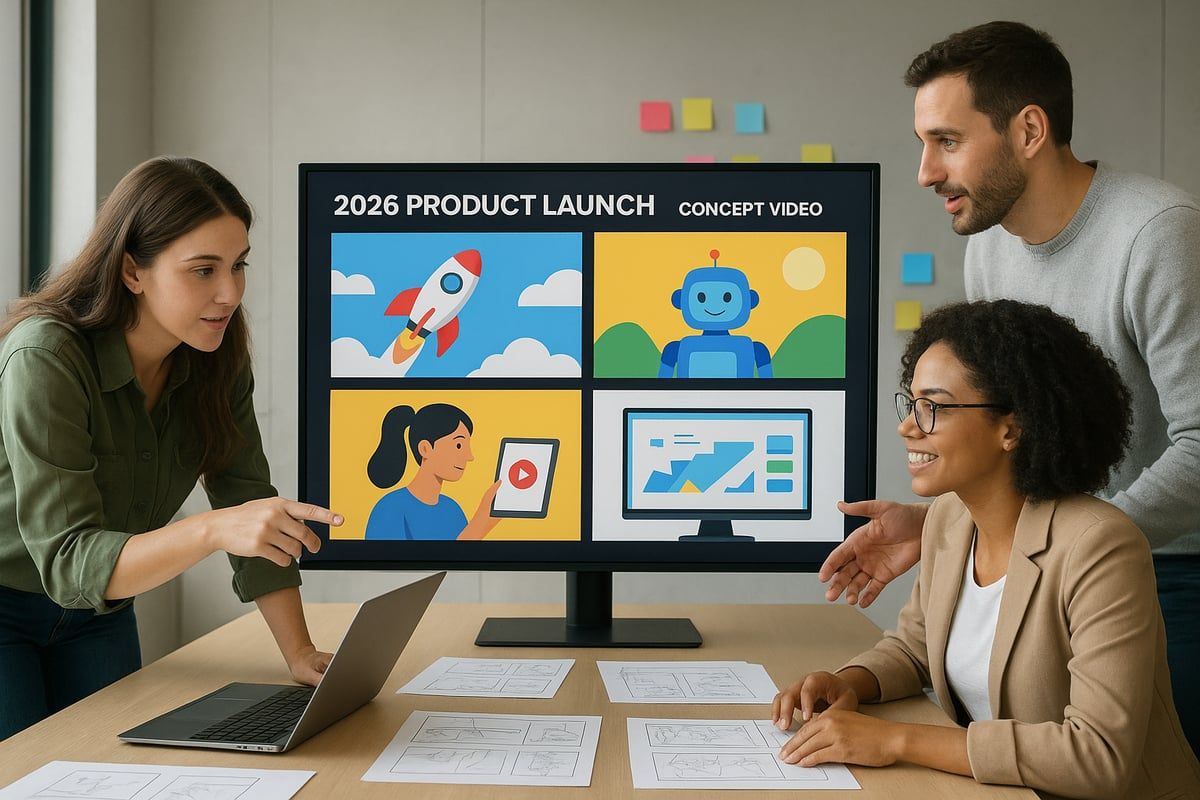
- Storyboards: Visualize the flow of your concept video scene by scene.
- Mood Boards: Set the tone with colors, imagery, and style inspiration.
These tools make abstract ideas tangible. They also streamline collaboration, allowing stakeholders to visualize the direction of your concept video early in the process.
Scripting Best Practices for Concept Videos
A great concept video script follows a clear narrative arc. Many experts recommend the three-act structure:
- Beginning: Hook your audience with a relatable problem or bold statement.
- Middle: Build tension by exploring the value or unique selling point of your concept.
- End: Resolve with a strong call to action, prompting viewers to engage, share, or learn more.
Keep the language concise and the pacing brisk. Integrate your brand’s voice, and make sure every line supports your core message. For a deeper dive into foundational scripting and production, reference the Corporate video production guide.
The Role of Feedback and Iteration
Involve stakeholders early and often. Share drafts with team members and potential viewers to collect feedback. Use surveys, focus groups, or quick polls to refine your script and visuals.
Iterate based on input, but stay true to your vision. A well-developed feedback loop helps you catch unclear messaging or unnecessary complexity before production begins.
Effective scripts are tested scripts. Gather feedback, refine, and repeat until your concept video is clear, engaging, and actionable.
Step 2: Visual Planning, Storyboarding, and Pre-Production
Visual planning is the linchpin that transforms a great script into an impactful concept video. This stage bridges the gap between written ideas and compelling visual execution, ensuring every element works in harmony to convey your message with clarity and creativity.

The first step is translating your script into visual language. Mood boards help define the style, color palette, and emotional tone of your concept video. These boards can include images, textures, and references that set the visual direction and inspire the production team. Storyboards take this a step further by mapping out each scene, transition, and camera angle. They serve as a visual blueprint, allowing stakeholders to review the flow and identify opportunities for creative storytelling.
Effective pre-production is about more than just visuals. Casting the right talent, selecting locations, and developing a detailed schedule ensure that your concept video stays on track and within budget. Resource allocation covers everything from props and wardrobe to lighting and camera gear. For a comprehensive overview of essential production tools and how to select them, see this Guide to video production equipment.
In 2026, AI-driven tools have become indispensable in the pre-production phase of a concept video. AI storyboarding platforms can generate scene sequences from scripts, suggest optimal shot compositions, and even simulate lighting setups. This accelerates planning and helps teams visualize complex ideas before stepping on set.
Real-world examples show that advanced visualization leads to fewer revisions and smoother shoots. For instance, teams that invest time in detailed storyboards and pre-visualization often experience shorter production timelines and better alignment with client expectations. Communication is key—regular check-ins and collaborative reviews keep everyone focused on the core concept and ensure the final concept video resonates with the target audience.
By prioritizing clear visual planning, embracing innovative tools, and fostering open collaboration, brands and creatives set the stage for a concept video that is both efficient to produce and memorable to watch.
Step 3: Production—Bringing Your Concept Video to Life
Bringing a concept video to life requires meticulous planning, technical expertise, and creative execution. The production phase is where your idea transitions from script to screen, making this stage pivotal for achieving high-impact results.
Pre-Production Setup and Planning
Before cameras roll, ensure your production team is aligned on objectives, shot lists, and schedules. A well-organized pre-production meeting can prevent costly delays and help maintain the vision for your concept video.
- Confirm all equipment is tested and ready.
- Review the storyboard and shot schedule.
- Prepare backup plans for technical issues.
Filming and Capturing Visuals
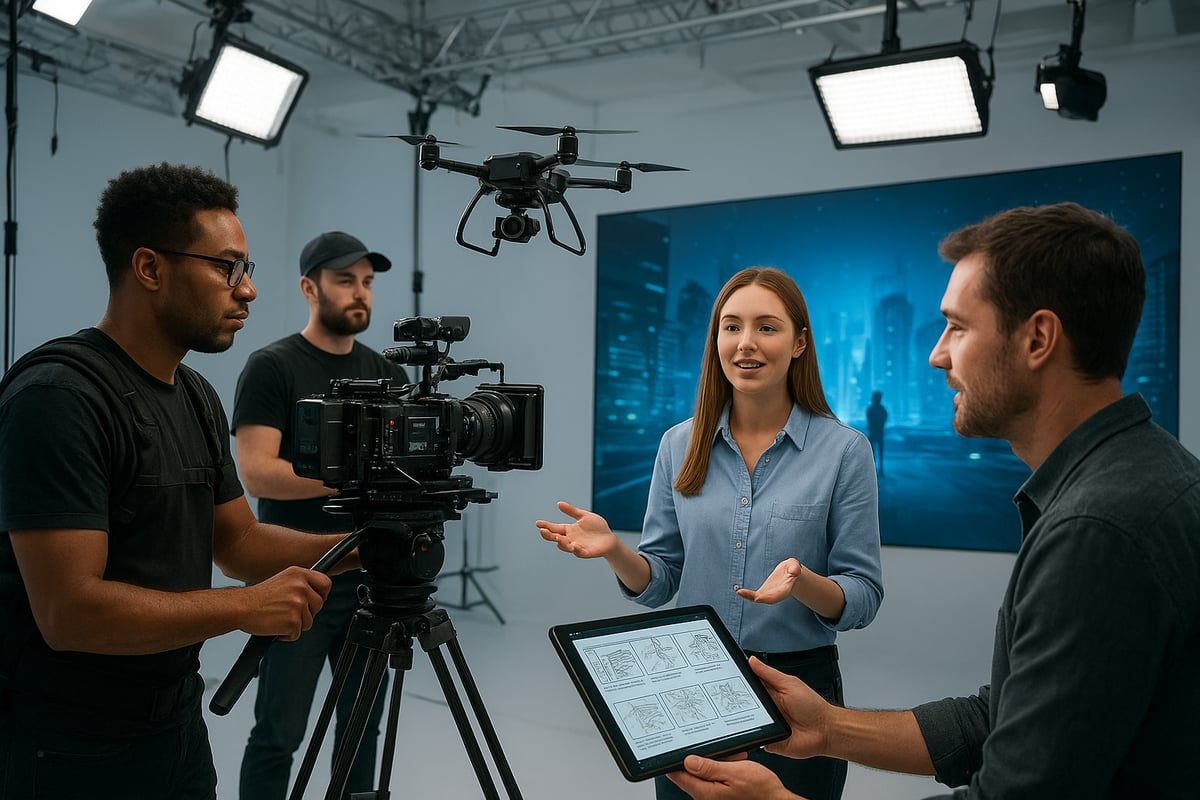
High-quality visuals are essential for a compelling concept video. In 2026, most productions leverage 4K or 8K cameras, ensuring crisp detail and flexibility in post-production. Drones and robotic camera arms enable dynamic shots that elevate storytelling.
Lighting and sound must be prioritized. Use softboxes or LED panels for even, flattering light, and select directional microphones to minimize background noise. Attention to these details ensures your concept video stands out in a crowded digital landscape.
Advanced Technology in 2026 Production
The integration of cutting-edge technology is redefining concept video production. Virtual production techniques, including real-time compositing and volumetric sets, allow creators to build immersive environments that were once impossible or prohibitively expensive. For a deeper dive into these advancements, explore Virtual Production and Volumetric Sets in Video Production, which highlights how these tools are transforming the industry.
AI-assisted tools now automate tasks like shot selection and camera tracking, optimizing efficiency without sacrificing creativity. Hybrid approaches, blending live-action with animation, are increasingly popular for demonstrating complex concepts.
Directing and On-Set Logistics
Directing talent requires clear communication and patience. Provide concise instructions, encourage natural performances, and foster a collaborative atmosphere. Efficient on-set logistics, such as organized call sheets and real-time feedback, keep the production moving smoothly.
Production Day Checklist
A successful concept video shoot depends on attention to detail. Use this checklist to ensure nothing is overlooked:
| Task | Status |
|---|---|
| Equipment tested and set up | ☐ |
| Shot list and storyboard reviewed | ☐ |
| Lighting and sound checked | ☐ |
| Talent briefed and prepared | ☐ |
| Backup files and storage ready | ☐ |
| Safety protocols in place | ☐ |
Innovative Production Techniques and Setups
Recent years have seen rapid adoption of techniques like motion-controlled rigs, interactive set projections, and real-time rendering. These approaches give concept video creators new ways to engage audiences and visualize abstract ideas.
By embracing advanced technology, thoughtful planning, and creative direction, your concept video production can achieve professional quality and resonate with viewers.
Step 4: Post-Production, Editing, and Optimization
Post-production is where a concept video truly comes to life. This stage transforms raw footage and creative assets into a polished, compelling story that resonates with your audience. Mastering post-production ensures your concept video not only looks professional but also delivers your message with clarity and impact.
The Editing Process: Crafting a Cohesive Narrative
Begin by importing and organizing your footage. The first step is selecting the best takes, focusing on those that clearly communicate your concept video’s message. Sequence these clips to maintain logical flow and audience engagement.
Next, refine your narrative structure. Use tight cuts to eliminate unnecessary content, ensuring each second serves the overall story. Integrate visual transitions to guide viewers smoothly from one scene to the next.
Editing Workflow Example:
1. Import all footage and assets.
2. Review and mark best takes.
3. Arrange clips to match script/storyboard.
4. Add transitions and effects.
5. Review narrative for clarity.
Sound Design, Voiceovers, and Music Selection
Sound is just as vital as visuals in a concept video. Clean up background noise and balance audio levels for consistency. Add voiceover narration to clarify key points and guide viewers through the narrative.
Select background music that fits your brand identity and supports the emotional tone. Sync music and sound effects with visual cues for maximum impact. Proper sound design enhances retention and makes your concept video more memorable.
Enhancing Visuals: Color Grading, Motion Graphics, and Branding
Visual coherence is critical for a professional result. Apply color grading to unify your footage and evoke the desired mood. Use motion graphics to illustrate complex ideas or highlight features, but keep them aligned with your core message.
Integrate branding elements subtly throughout the concept video. This could include logos, brand colors, or unique graphical motifs. Visual enhancements should always support, not distract from, your main narrative.
Leveraging AI and Cloud-Based Editing Tools
In 2026, AI-powered tools have revolutionized concept video editing. These platforms can automate tedious tasks like shot selection, suggest optimal cuts, and even generate rough edits from scripts. Cloud-based editing allows teams to collaborate in real time, streamlining workflows and reducing turnaround.
For more insights on how AI is shaping post-production, explore AI's Role in Video Marketing Trends for 2026.
Table: Before-and-After Editing Impact
| Stage | Engagement Rate | Viewer Retention |
|---|---|---|
| Raw Footage | 32% | 18% |
| Edited Video | 68% | 54% |
Strategic editing can double engagement and retention for a concept video.
Optimization for Platforms and Final Review
Tailor your concept video for each distribution platform. Adjust aspect ratios, file sizes, and captions to meet requirements for YouTube, TikTok, LinkedIn, and others. Use eye-catching thumbnails and optimize metadata for search visibility.
Before releasing your concept video, review it on multiple devices to ensure quality and consistency. Gather feedback from stakeholders and make final tweaks. This attention to detail will maximize your video’s reach and effectiveness.
Step 5: Distribution, Promotion, and Measuring Success
Successfully distributing and promoting your concept video is just as critical as creating it. A well-executed launch maximizes reach and ensures your message lands with the right audience. In 2026, a strategic approach to rollout can make the difference between a viral hit and a missed opportunity.
Launching Your Concept Video for Maximum Reach
Begin by coordinating your launch across all owned and earned channels. Schedule your concept video release to align with product launches, events, or trending topics. Build anticipation with teaser clips and countdowns on your social platforms.
Leverage email newsletters, blog posts, and influencer partnerships to expand your initial audience. A distribution checklist can help ensure no opportunity is missed:
- Announce on all social media accounts
- Notify stakeholders and partners
- Embed the concept video on your website
- Utilize email campaigns for direct outreach
For more in-depth tactics, review Effective video marketing strategies to strengthen your visual storytelling and rollout plan.
Platform-Specific Strategies in 2026
Tailor your approach for each platform. YouTube remains essential for long-form content and searchability. TikTok and Instagram prioritize short, engaging clips—perfect for snippets or behind-the-scenes looks at your concept video. LinkedIn is ideal for B2B launches, investor communications, and professional storytelling.
Explore new interactive features, such as shoppable tags and polls, to boost engagement. For emerging trends in interactive and shoppable videos, see Interactive and Shoppable Videos in 2026.
Adapt your messaging and format to suit each platform’s audience and algorithms. Consistency in branding and tone across all channels reinforces your message and strengthens recognition.
Paid vs. Organic Distribution and Video SEO
Balance organic reach with targeted paid campaigns. Organic methods, such as community shares and influencer collaborations, build authenticity. Paid ads on platforms like Facebook, YouTube, and LinkedIn offer precise targeting and rapid scaling.
Optimize your concept video for search by crafting compelling titles, descriptions, and relevant tags. Eye-catching thumbnails and keyword-rich metadata improve visibility and click-through rates. Use subtitles and accessibility features to broaden your reach.
Track ROI by comparing the costs and results of paid versus organic campaigns. A/B testing different strategies helps refine your approach for future launches.
Measuring Success: Analytics and Optimization
Set clear goals before your concept video goes live. Key metrics to monitor include:
- Engagement rate (likes, shares, comments)
- Viewer retention and average watch time
- Conversion actions (signups, purchases, inquiries)
- Brand lift and sentiment analysis
Utilize platform analytics dashboards and third-party tools to gather actionable insights. Benchmark your performance against industry standards and previous campaigns.
Continuously refine your strategy based on data. Iterate on what works, and quickly adjust if results fall short. Success in concept video distribution is measured by a blend of reach, engagement, and tangible business impact.
The Future of Concept Video Creation: Trends and Innovations for 2026 and Beyond
The pace of innovation in concept video creation is accelerating in 2026. Brands and creators are embracing new formats and technologies to connect with audiences in more meaningful ways. Interactive elements, immersive AR/VR integration, and hyper-personalized video experiences are setting new standards for engagement.
Interactivity is now central to many concept video strategies. Viewers expect to influence storylines, explore products in 3D, or access tailored content based on their preferences. AR and VR technologies allow brands to place their audiences inside the narrative, making complex ideas easier to grasp and driving higher retention rates.
Artificial intelligence is revolutionizing every stage of concept video production. Generative AI tools automate scripting, editing, and even the creation of synthetic actors. According to Generative Video and Synthetic Celebrities in 2026, the use of virtual influencers and AI-generated video assets is becoming mainstream, allowing brands to scale content while maintaining creativity.
New social and content platforms are emerging, each with unique audience behaviors and technical requirements. Successful concept video campaigns adapt quickly, optimizing for platform-specific formats and leveraging real-time analytics to refine messaging. Sustainability is also top of mind, with producers seeking eco-friendly workflows and transparent ethical standards.
To stay ahead, brands must embrace experimentation and continuous learning. The most effective concept video creators are those who combine cutting-edge technology with authentic storytelling. By focusing on innovation, data-driven insights, and responsible production, brands can ensure their concept videos make a lasting impact in 2026 and beyond.
Now that you’ve seen how concept videos can reshape your brand’s digital presence in 2026—from ideation to distribution strategies and future trends—you might be wondering how to put these insights into action for your own business. At Viva Media, we understand the power of high-performance video content and how to engineer attention-grabbing experiences that drive real results. If you’re ready to elevate your storytelling and make a measurable impact, let’s take the next step together.
Start a project
and turn your concept into a compelling visual experience that sets you apart in the Greater Toronto Area and beyond.