
Video content is reshaping the digital world in 2026, driving engagement and innovation across every industry. If you want to build video projects that stand out, this guide is your essential roadmap. We will walk you through every stage, from strategic planning and pre-production to editing and distribution. Discover the latest trends, proven strategies, and expert insights you need for video project success. Ready to unlock your next breakthrough? Follow this step-by-step guide and elevate your results.
Understanding the 2026 Video Landscape
The world of video is transforming rapidly, making it more important than ever to understand the landscape before you build video projects in 2026. New technologies, shifting viewer habits, and evolving regulations are redefining what it takes to engage audiences and achieve results. To build video content that stands out, you need a strong grasp of both the emerging tools and the expectations of your viewers.
Evolving Trends and Technologies
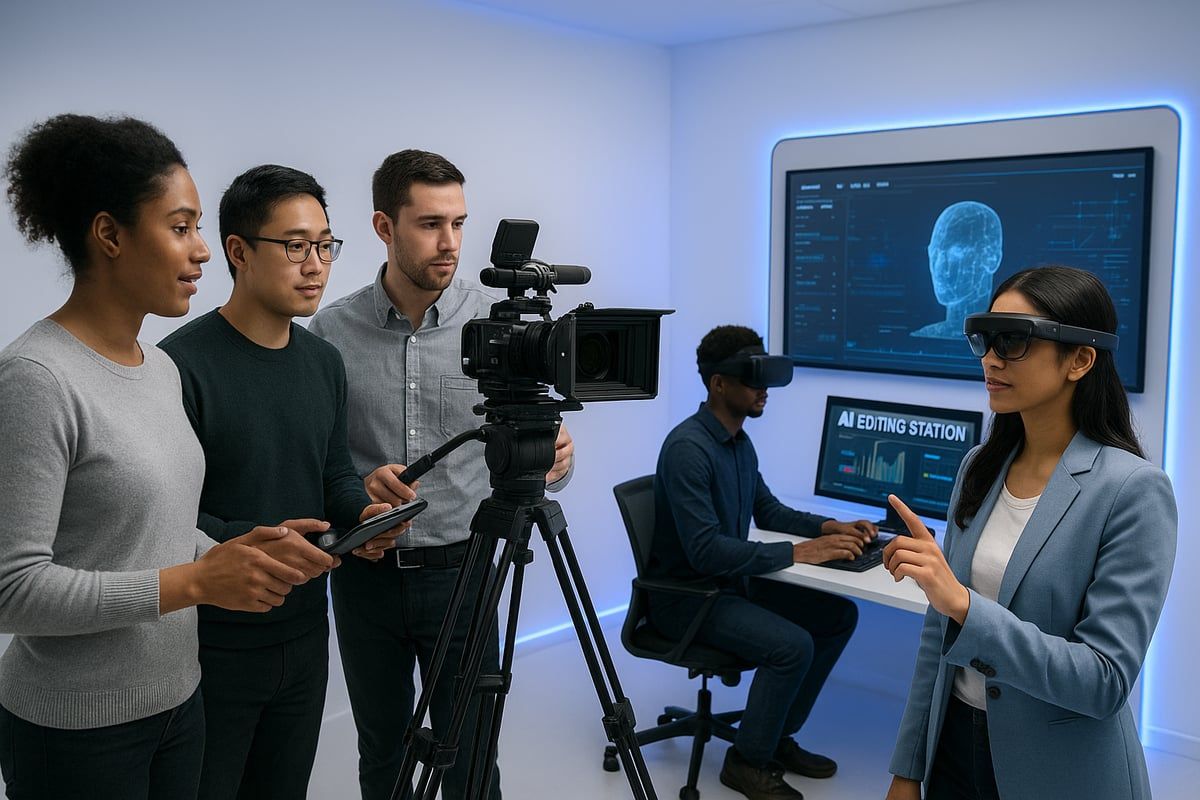
In 2026, the video ecosystem is defined by innovation and integration. AI-driven editing platforms have become the norm, enabling creators to build video projects faster and with greater precision. Formats like 8K, virtual reality, and augmented reality are no longer niche, but mainstream, letting brands craft immersive experiences for a global audience.
Shoppable video is also on the rise, allowing viewers to interact directly with products during playback. Industry projections show that video content will account for over 85% of all consumer internet traffic by 2026. Short-form and interactive videos dominate marketing and educational spaces, as platforms prioritize immersive and vertical formats.
Accessibility and inclusivity are now essential, not optional. Modern build video workflows must address new privacy and compliance regulations, ensuring content is usable by all and meets legal standards. To stay ahead, creators rely on AI-powered tools for editing and trend forecasting. For a deeper dive into how AI is revolutionizing production, see this AI-Powered Video Production and Editing resource.
Adapting to these trends is not just about following the crowd. It is vital for relevance and maximizing your return on investment.
Audience Expectations and Consumption Patterns
Audiences in 2026 expect more from every build video initiative. They want authenticity, high production value, and experiences designed for their devices. Mobile-first content is crucial, as most viewers consume video on smartphones and tablets. Corporate and commercial projects now require platform-specific optimization to meet these demands.
Personalization plays a significant role. Brands that use data to tailor content see higher engagement, with the average watch time for branded videos rising by 27% since 2024. Viewers respond best to messaging that feels relevant to their interests and location.
Consider the differences between targeting Gen Z and Millennial professionals. Each group prefers different formats, tones, and platforms. Understanding these nuances is the foundation for successful build video campaigns.
In summary, knowing what your audience values and how they consume content is the key to making your project resonate and perform.
Step 1: Strategic Planning and Ideation
Strategic planning is the backbone of every successful build video project in 2026. With the industry evolving rapidly, a thoughtful approach ensures your project stands out, meets objectives, and delivers measurable results. This section guides you through the essential planning steps, from goal-setting to workflow mapping.

Defining Project Objectives and KPIs
Every build video initiative should begin with clear objectives. Are you aiming for brand awareness, lead generation, or employee training? Defining your purpose shapes every creative and technical decision that follows.
To measure success, choose KPIs that directly reflect your goals. For instance:
- View count for reach
- Engagement rate for audience interest
- Conversion metrics for sales or sign-ups
- Retention rate for internal training videos
Align your build video targets with broader business strategies. This ensures your project not only entertains but also drives organizational growth. A results-driven mindset from the outset will keep your team focused and accountable.
Audience Research and Persona Development
Understanding your audience is crucial when you build video content for 2026. Start by leveraging advanced analytics tools to segment viewers based on demographics, interests, and behavior.
Develop detailed viewer personas to guide creative choices. Are you targeting Gen Z with short, interactive content, or Millennial professionals seeking in-depth insights? Personalization matters: data shows that personalized video messages can boost conversion rates by 19%.
For tips on expanding your reach and optimizing content for diverse audiences, see Video Production Tips for a Global Audience. Tailoring your build video approach ensures relevance and engagement across platforms.
Creative Concept Development
With audience insights in hand, brainstorm original concepts that cut through the noise. Use techniques like mind mapping or collaborative workshops to generate ideas. In a saturated market, creativity is your competitive edge.
Validate your build video concepts using AI-powered tools that analyze trending formats and audience preferences. Interactive formats, such as branching narratives or shoppable videos, are gaining traction. However, balance innovation with strategic intent, ensuring your ideas align with your objectives and KPIs.
Resource Assessment and Budgeting
Assessing available resources sets realistic expectations for your build video project. Decide if you’ll use in-house talent or partner with an agency. Inventory equipment, from cameras to AR overlays, and factor in the need for specialized skills or technology.
Create a detailed budget, allocating funds for each production phase. For example, producing in 8K or adding VR elements requires a higher investment than standard 4K. Underestimating costs is a leading cause of project delays, so plan carefully and leave room for contingencies.
| Production Element | Standard 4K | Advanced 8K/VR |
|---|---|---|
| camera rentals | $500/day | $1,200/day |
| Crew Size | 5 | 8 |
| Post-Production | $2,000 | $5,000 |
Project Timeline and Workflow Mapping
A structured timeline is essential to keep your build video on track. Map out each phase with milestones and deadlines, using tools like Gantt charts or collaborative platforms for remote teams.
Choose a workflow that suits your project’s complexity. Agile methods allow flexibility for iterative feedback, while traditional workflows offer predictability for larger productions. Visualizing your build video process helps prevent bottlenecks and ensures every team member understands their responsibilities.
Clear workflow mapping is the difference between a seamless project and missed opportunities.
Step 2: Pre-Production Essentials
A strong pre-production process sets the stage for every successful build video project. This phase is where ideas take shape and risks are managed before cameras roll. By focusing on scripting, casting, design, technology, and compliance, you ensure your build video stands out and avoids costly setbacks.
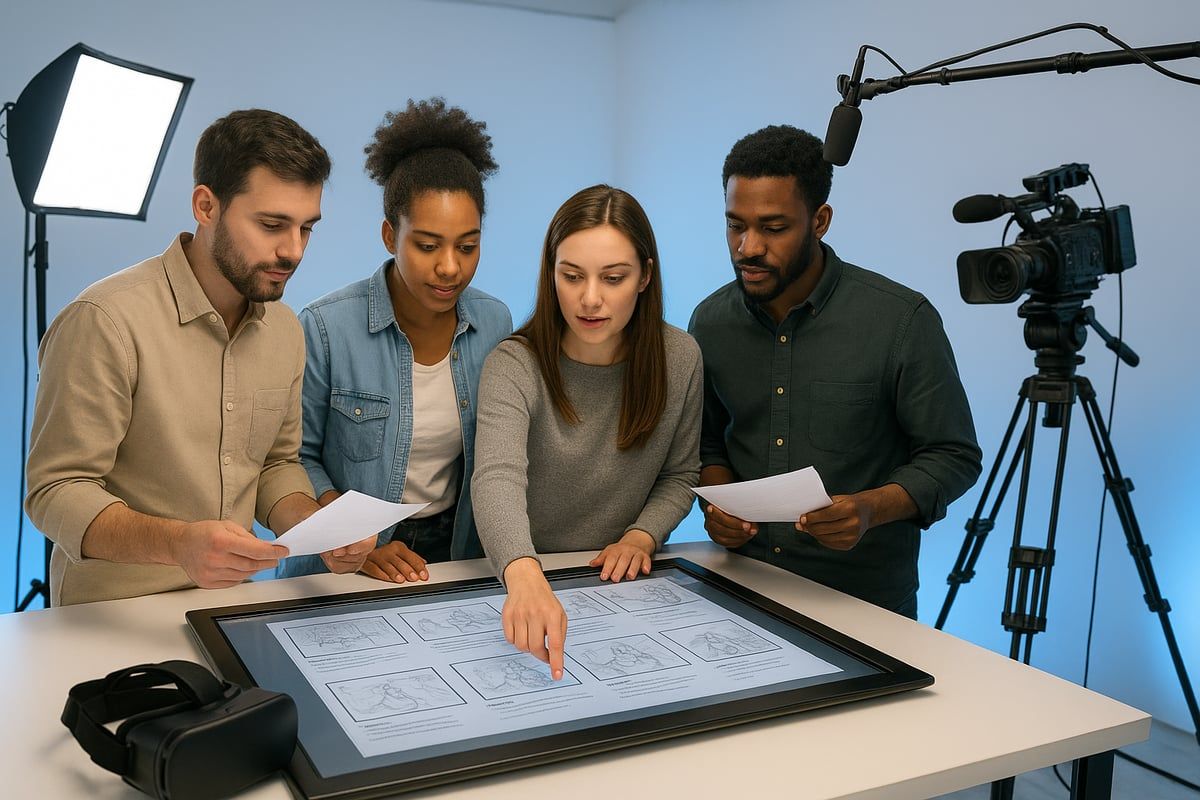
Scriptwriting and Storyboarding
Every impactful build video begins with a script that resonates with today’s audience. In 2026, scripts must be concise, direct, and inclusive, reflecting diverse perspectives. Plan scripts that not only inform, but also engage viewers through relatable language and accessible storytelling.
Storyboarding is essential for mapping out visual sequences, especially when incorporating VR or AR elements. Use digital storyboarding tools to collaborate in real time with distributed teams. This approach streamlines feedback and ensures everyone shares a clear vision for the build video.
A well-structured script and storyboard reduce costly reshoots by up to 30%. Prioritizing these steps lays a solid foundation for your production.
Casting and Talent Selection
Selecting the right people for your build video is critical. Decide between professional actors, influencers, or your own employees, based on your goals and audience. Each option brings unique advantages, from polished delivery to genuine brand representation.
Diversity and representation in casting are more important than ever. Videos featuring a diverse cast see a 24% higher engagement rate. Consider micro-influencers for niche audiences, as they often drive stronger connections in specialized communities.
A thoughtful casting process strengthens your build video’s authenticity and broadens its appeal to a wider audience.
Location Scouting and Set Design
The look and feel of your build video depend on strategic location and set choices. Weigh the benefits of physical locations, virtual sets, or a hybrid approach. In 2026, AR and VR tools make it easier to pre-visualize sets and experiment with layouts before committing resources.
Remote location scouting using drone footage is now standard, saving time and cost. Set design should reflect your brand’s identity, whether you’re filming in a sleek office or constructing a virtual environment.
Effective set planning ensures your build video looks professional and communicates your message with consistency.
Equipment and Technology Preparation
Choosing the right equipment is a make-or-break factor for your build video. Assess your needs: cameras, lighting, audio gear, and advanced tools like drones or 360-cams. Compatibility with 8K, VR, or AR production is crucial for future-proofing your project.
You might consider renting high-end gear or investing in long-term assets, depending on budget. For a deeper dive on essential gear and considerations, consult this Video Production Equipment Guide.
Smart technology decisions directly elevate your build video’s production quality and viewer experience.
Legal, Compliance, and Permitting
Before you build video content, address all legal, compliance, and permitting requirements. Secure filming permits and obtain location releases to avoid distribution delays. Review copyright, privacy, and accessibility regulations, especially for global or public-facing projects.
For international campaigns, ensure GDPR and ADA compliance to meet data and accessibility standards. Overlooking these steps can halt your build video’s release and damage your reputation.
A proactive approach to legal matters safeguards your project and keeps production on track.
Step 3: Production Process in 2026
The production phase is where your vision transforms into reality. In 2026, modern workflows and advanced technology are redefining how teams build video, making this step both dynamic and collaborative. Let’s break down the essential elements for a successful production process.
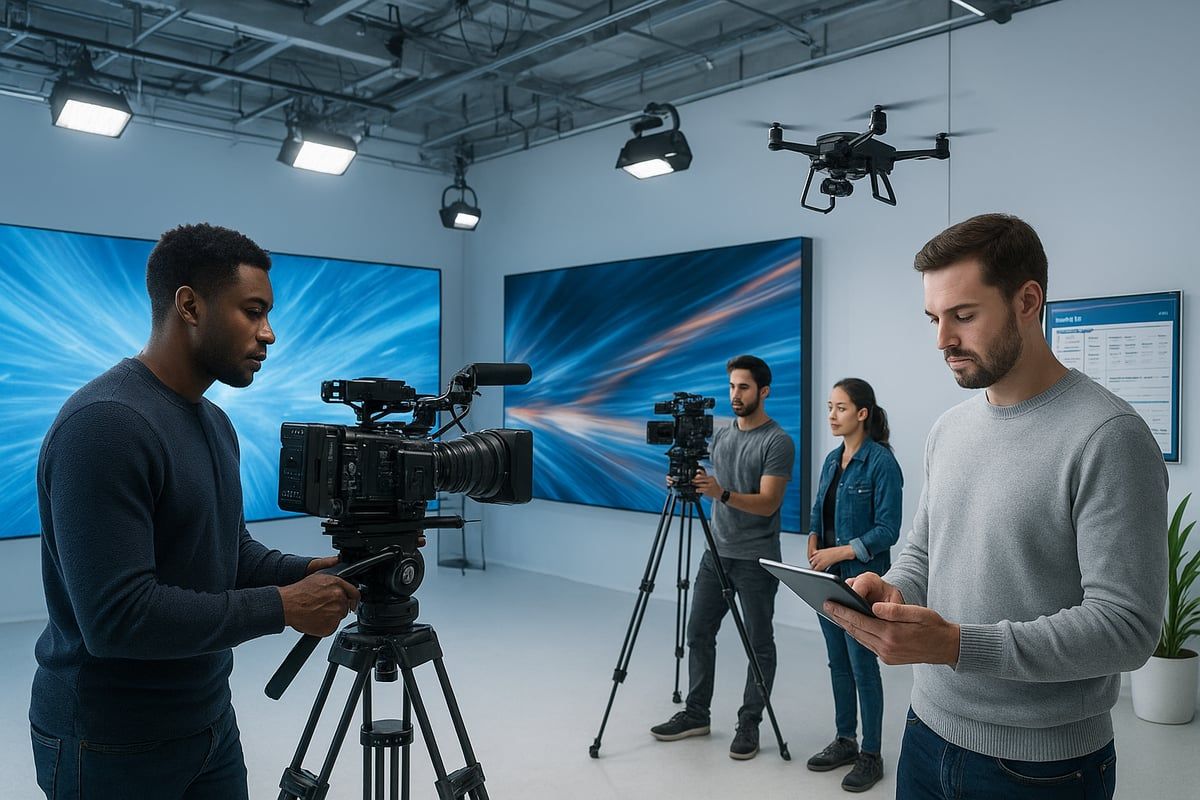
On-Set Best Practices
Efficient on-set practices are crucial when you build video projects that stand out in 2026. Begin by assembling a skilled, diverse team and conducting thorough briefings to align everyone’s roles. Remote direction and virtual collaboration tools enable seamless communication, even for distributed teams.
Real-time feedback platforms keep everyone on track, reducing costly reshoots. In fact, remote production methods can cut costs by up to 18 percent. As the Global Video Production Market Growth report indicates, investing in robust on-set processes is vital as the industry expands rapidly.
- Use digital call sheets for streamlined scheduling
- Hold daily check-ins for updates and troubleshooting
- Assign clear roles and responsibilities
Prioritizing these practices ensures your build video process runs smoothly from day one.
Filming Techniques for Modern Platforms
To build video content that resonates across platforms, adapt filming techniques for various formats. Shoot with both horizontal and vertical orientations for maximum reach. Drones and 360-degree cameras allow for immersive footage, while live-streaming setups expand audience engagement in real time.
Interactive features, like shoppable video segments, can be integrated directly during filming. This platform-first approach increases ROI by producing content tailored for each channel.
- Capture scenes in multiple aspect ratios
- Use stabilizers and drones for dynamic movement
- Integrate live polls or clickable overlays
Optimizing your build video workflow for platform-specific needs leads to higher engagement and better results.
Lighting, Audio, and Visual Effects
High production value starts with advanced lighting and crystal-clear audio. For 8K and HDR content, use modular LED lighting to achieve cinematic effects. Invest in directional microphones and soundproofing to capture immersive audio, which is essential when you build video experiences that captivate.
Real-time VFX and AR overlays can be applied on set, using LED walls to create dynamic backgrounds without heavy post-production. This not only saves time but enhances visual storytelling.
- Adjust lighting for natural and dramatic scenes
- Monitor audio levels throughout filming
- Employ AR elements for product demos
These techniques elevate your build video quality, ensuring your content stands out in a crowded market.
Managing Time and Contingencies
A detailed schedule is the backbone of any build video project. Use digital checklists to track progress and maintain momentum. Always prepare for technical hiccups or weather disruptions, especially for live-streamed events.
Backup plans are essential. Have spare equipment ready, and develop contingency scenarios for critical moments. Flexibility in your workflow helps you adapt quickly, preventing costly delays.
- Set milestones for each production day
- Assign a team member to monitor checklists
- Prepare alternative locations or virtual sets
By managing time and contingencies effectively, you keep your build video initiative on track and resilient.
Safety and Sustainability on Set
Safety and sustainability are front and center for every build video production in 2026. Implement strict health protocols, use eco-friendly set materials, and digitize call sheets to minimize waste. Sustainable practices not only reduce costs but also enhance your brand image.
- Provide PPE and sanitation stations
- Opt for recyclable or reusable set pieces
- Use energy-efficient lighting and equipment
A commitment to safety and sustainability demonstrates responsibility and supports a positive reputation as you build video projects for the future.
Step 4: Post-Production and Editing
Post-production is where creative vision meets technical precision in the build video journey. This stage transforms raw footage into compelling, platform-ready content. In 2026, advanced tools and workflows empower teams to deliver polished videos at scale, ensuring each project stands out in a crowded digital landscape.
Editing Workflows and Software in 2026
The foundation of a successful build video project is an efficient editing workflow. In 2026, leading software platforms leverage AI automation for tasks like scene detection, rough cuts, and even sound balancing. Collaborative, cloud-based editing enables distributed teams to work together in real time, accelerating feedback loops.
Modern editors use tools equipped with machine learning to recommend creative cuts, optimize pacing, and flag potential issues. Platforms now support simultaneous multi-user editing, version tracking, and instant asset sharing.
For those exploring the future of automation, it is notable that AI's role in video advertising is growing rapidly, with nearly 90 percent of advertisers using generative AI by 2026. This trend directly enhances the efficiency and creativity of the build video process.
Color Grading, Sound Design, and VFX
Color grading elevates the visual impact of every build video, ensuring consistency and emotional resonance. Editors employ advanced LUTs and HDR workflows to produce cinematic results across devices. Sound design, meanwhile, crafts immersive audio environments, using spatial audio and layered effects for a richer viewer experience.
Incorporating AR and VR enhancements is now standard, with real-time VFX tools enabling seamless integration of interactive elements. For e-commerce or branded content, editors add clickable hotspots and dynamic overlays to boost engagement.
Enhanced visuals and audio not only captivate but also increase viewer retention by up to 22 percent. These techniques are essential for any team looking to build video projects that truly resonate.
Captioning, Localization, and Accessibility
Reaching global and diverse audiences requires every build video to be accessible and inclusive. Automated captioning tools now deliver accurate, context-aware subtitles at scale, reducing turnaround times. Editors create multiple language versions and adapt content for local markets, expanding reach and relevance.
Compliance with accessibility standards, such as WCAG 3.0, is non-negotiable. This includes accurate captions, descriptive audio, and visual cues for viewers with disabilities. Incorporating these features not only fulfills legal requirements but also broadens your audience.
Accessible, localized content is a hallmark of a modern build video strategy, ensuring every viewer can engage fully.
Quality Control and Review
Rigorous quality control is central to the build video workflow. Teams implement multi-stage reviews, covering technical, creative, and compliance checks. AI-driven tools scan for errors in audio sync, color balance, and metadata, catching issues before publication.
A typical process includes:
- Technical review for glitches and format issues
- Creative review for narrative and pacing
- Compliance check for copyright, accessibility, and privacy
Automated copyright flagging helps prevent costly distribution delays. By prioritizing thorough review, teams safeguard the integrity of every build video.
Preparing Deliverables for Distribution
The final step in post-production is preparing your build video for launch. Editors export content in multiple resolutions and aspect ratios to suit platforms like YouTube, TikTok, and OTT services. File sizes are optimized to balance quality with fast loading, preventing playback issues.
A clear checklist for deliverables might include:
- Format and resolution specs for each channel
- Optimized compression to maintain visual fidelity
- Platform-specific metadata and thumbnail assets
Properly formatted deliverables help maximize reach and ensure your build video looks its best, wherever it is viewed.
Step 5: Launch, Distribution, and Performance Tracking
Launching a successful build video project in 2026 requires a strategic, multi-layered approach. This phase involves rolling out your content, optimizing for search, leveraging both paid and organic tactics, and employing advanced analytics to drive continuous improvement. Every step is crucial for maximizing reach and ROI.
Multi-Platform Distribution Strategies
To ensure your build video reaches its full potential, distribute it across multiple platforms. Today’s landscape includes YouTube, TikTok, Instagram, LinkedIn, and OTT services. Each platform caters to unique audience behaviors, so tailor your release schedule for maximum impact. For example, staggering launches by region can boost engagement by 35 percent.
Leverage analytics to identify prime posting times. A cross-platform strategy not only increases visibility but also helps gather diverse data for optimization. For more on maximizing distribution and ROI, see these Effective Video Marketing Strategies.
SEO and Metadata Optimization
Effective SEO is essential for your build video to be discovered. Start by crafting clear, compelling titles and descriptions tailored to each platform. Use targeted keywords, relevant tags, and schema markup to enhance search visibility. Incorporating video sitemaps ensures indexing by search engines.
AI-powered keyword tools can suggest trending terms and optimize metadata in real time. Remember, accurate metadata improves not just discoverability but also user experience. Proper SEO ensures your project stands out in a saturated market and drives measurable results.
Paid Promotion and Organic Growth
Balancing paid and organic tactics is key to growing your build video audience. Paid ads can quickly amplify reach, especially when launching new campaigns or targeting niche markets. At the same time, organic growth through influencer partnerships and user-generated content builds trust and long-term engagement.
Consider collaborating with micro-influencers to tap into specific communities. Encourage viewers to share and interact with your content to boost organic momentum. An integrated approach ensures consistent growth and maximizes your investment.
Performance Tracking and Analytics
Robust analytics are non-negotiable for any build video initiative. Set up advanced dashboards to monitor KPIs like view count, engagement rate, and conversions. Use A/B testing for thumbnails and calls to action to refine your approach.
Real-time data enables you to pivot strategies quickly. Interpreting these insights helps you understand what resonates with your audience, ultimately improving ROI. A data-driven mindset keeps your project on track and aligned with business goals.
Iteration and Continuous Improvement
The lifecycle of a build video project does not end at launch. Gather feedback from viewers, stakeholders, and analytics post-release. Use these insights to make iterative changes, update content, and repurpose long-form videos into shorter clips for social media.
Continuous improvement sustains audience engagement over time. Repurposing and updating content extend its value and keep your messaging fresh. This approach ensures your project remains relevant and effective in a fast-evolving video landscape.
Common Pitfalls and Expert Solutions
Navigating the journey to build video projects in 2026 comes with new challenges and potential setbacks. Even experienced teams can stumble if they overlook the evolving complexities of technology, audience expectations, and compliance. Recognizing common pitfalls early is crucial to keeping your project on track and maximizing your return on investment.
Avoiding Typical Mistakes in Modern Video Projects
When you build video content today, skipping strategic planning is one of the most frequent errors. Without a clear roadmap, teams risk off-target messaging and missed objectives. Underestimating the complexity of new technologies like AR and VR can quickly derail even the most creative vision.
Poor communication among team members is another common setback, often resulting in missed deadlines and budget overruns. For example, overlooking accessibility requirements can restrict your audience and limit reach.
Quick facts:
| Pitfall | Impact |
|---|---|
| Skipping planning | Off-target content |
| Underestimating tech | Project delays |
| Poor team communication | Budget overruns |
| Ignoring accessibility | Limited audience |
Data shows that 37% of teams exceed budgets due to insufficient pre-production planning when they build video projects. Ensuring thorough preparation is essential to avoid these traps.
Solutions from Industry Leaders
Industry leaders recommend adopting agile workflows to stay flexible when you build video projects. Agile methods enable teams to pivot quickly in response to unexpected challenges or shifts in project scope.
Investing in training for emerging technologies is another proven strategy. Teams that stay updated with new tools and techniques reduce the risk of costly mistakes. Using collaborative platforms bridges the gap between remote and on-site members, streamlining communication and approvals.
For a deeper dive into these solutions, see Avoiding Video Production Mistakes, which highlights actionable steps for overcoming common setbacks.
Reflecting on past projects, gathering feedback, and applying lessons learned are habits embraced by top producers to continually improve how they build video content.
Resources and Communities for Ongoing Learning
Ongoing education is vital to keep pace with the rapid evolution of video production. When you build video projects, tapping into industry resources and communities can make all the difference.
Consider joining forums like freeCodeCamp or participating in specialized courses that focus on the latest production trends. Engaging with networks such as Prusa3D or following leading video production blogs will expose you to new ideas and best practices.
Staying connected with these communities ensures you are always ahead of the curve, ready to tackle new challenges and opportunities in your next build video endeavor.
You've seen how the right strategy, creative approach, and meticulous planning can turn a video project into a powerful asset for your brand in 2026. If you're ready to put these insights into practice and want expert guidance every step of the way, let's make your vision a reality together. We specialize in crafting high performance video content that delivers real business results and measurable ROI for forward thinking brands across Toronto and beyond. Ready to get started on your next standout project? Start a project