

Imagine stepping into 2026, where digital videos no longer stay confined to your screen but seamlessly blend with your surroundings. This is the transformative power of ar video, promising a new era of interactive experiences.
In this guide, we will explore how ar video is set to reshape customer engagement, marketing, and everyday interactions. You will gain insights into the latest technology, industry applications, creative strategies, and practical steps for launching successful campaigns.
AR video is revolutionizing the way people connect with digital content. Businesses and creators are embracing it for deeper engagement and measurable ROI. Ready to learn how you can create unforgettable, interactive experiences? Discover the tools, strategies, and trends that will define ar video in 2026.
The Evolution of AR Video Technology
Augmented reality has transformed the way we experience video. The evolution of ar video technology is a story of rapid innovation, moving from simple overlays to immersive, interactive content that is changing industries worldwide.
The Rise of AR Video: From Novelty to Mainstream
Ar video began as a novelty, limited to early experiments in gaming and entertainment. Early versions struggled with clunky interfaces and required dedicated apps, making adoption slow. Major breakthroughs came with the advent of WebAR, SLAM technology, and QR code triggers, which allowed for more reliable and accessible experiences.
Brands like Starbucks and Coca-Cola launched high-profile ar video campaigns, showcasing interactive product demos and brand storytelling. Adoption accelerated as smartphones became more powerful and affordable. Today, over 563,000 ar video scans occur daily, driven by increased access to AR glasses and mobile devices. This shift has brought ar video from niche to mainstream, touching sectors from retail to education.
Core Technologies Powering AR Video in 2026
Modern ar video is powered by a suite of advanced technologies. WebAR frameworks such as AR.js, THREE.js, and A-Frame enable seamless browser-based experiences, eliminating the need for heavy app downloads. Marker-based and markerless deployment options offer flexibility, while SLAM (Simultaneous Localization and Mapping) ensures that videos remain stable and precisely anchored in real-world environments.
Cloud-based SaaS platforms allow for scalable ar video distribution, supporting everything from small campaigns to enterprise-level deployments. Cross-device compatibility is now standard, with ar video experiences available on smartphones, tablets, and AR headsets. This technology stack is the backbone of reliable, engaging ar video content in 2026.
App-Free AR Video: Breaking Down Barriers
A major leap in ar video adoption has come from app-free solutions. Users can now access interactive ar video simply by scanning QR codes or using browser-based links, removing friction from the experience. The typical journey is simple: scan, watch, interact, all without the need for app downloads.
Streaming technology has also improved, with optimized .mp4 and .mov support ensuring smooth playback and minimal latency. Campaigns like Burger King’s ar video experience demonstrate the power of instant access, making it easy for users to engage with branded content in seconds. This accessibility has opened the door for widespread use of ar video across industries.
Industry Adoption and Market Growth
Ar video is reshaping multiple sectors, with retail, education, real estate, and entertainment leading the charge. Over 130,000 creators and 156,000 unique ar video experiences are now powered by platforms like AR Code. The market is expanding rapidly, with analysts projecting significant growth in ar video adoption and value by 2026.
Brands are leveraging ar video as a key differentiator, using it to boost engagement and stand out in crowded markets. According to AR/VR Market Growth Forecasts, adoption rates and market size for AR technologies are set to surge, confirming ar video’s role as a central force in the future of interactive media.
Unlocking Interactive Experiences: How AR Video Engages Audiences
Augmented reality is redefining how brands and creators connect with audiences. In 2026, ar video is turning passive viewers into active participants, delivering a new era of interactive engagement. Let us look at the core ways ar video transforms audience experience.

Immersive Storytelling and Brand Engagement
Brands are using ar video to tell stories that leap off the screen and into the real world. By layering video in 3D space, companies create memorable experiences that stick with consumers. Imagine scanning product packaging and seeing a virtual spokesperson guide you through key features.
Interactive ads, virtual try-ons, and dynamic product demos are now possible. Data shows that ar video campaigns significantly boost ad performance and customer retention. For more on crafting compelling stories, see how to Boost Your Brand's Visual Storytelling with modern video strategies.
Seamless Integration with Physical Products and Spaces
Ar video bridges the physical and digital worlds with ease. Brands can embed QR codes on packaging, signage, or even print ads, unlocking instant access to tutorials, offers, or behind-the-scenes content. This seamless integration enhances the customer journey.
Real-world examples include Starbucks cups displaying animated brand stories and real estate brochures launching video tours of properties. With ar video, consumers receive immediate, context-rich information right at the point of need.
Personalization and Real-Time Interaction
Personalization is at the heart of modern ar video experiences. Brands can deliver dynamic greetings, live promotions, or tailored content that adapts to each user. Consumers can scale, move, and position videos in their environment, creating a sense of control and immersion.
In retail, ar video enables personalized shopping journeys. For instance, customers can scan a product and receive custom recommendations or offers, making each interaction unique and relevant.
Social Sharing and Viral Reach
Ar video is designed for sharing. Experiences are easily captured and posted on social platforms, amplifying reach and driving organic growth. Viral campaigns often leverage user-generated ar video content, such as branded filters or interactive face effects for events.
A well-executed ar video filter can turn consumers into brand ambassadors, spreading awareness to new audiences. Social sharing extends the impact of campaigns far beyond their original touchpoints.
Data-Driven Insights and Analytics
Analytics are transforming how brands evaluate ar video success. Advanced tracking tools measure scans, engagement time, and conversion rates, providing actionable insights into user behavior.
Marketers can retarget users based on interactions and refine campaigns for greater impact. With data dashboards, businesses optimize ar video content and measure ROI with precision, ensuring continuous improvement and growth.
Step-by-Step Guide: Creating and Deploying AR Video Campaigns
Bringing an ar video campaign to life involves careful planning, creative production, and strategic deployment. Whether you are a brand manager or a creative agency, following a systematic approach ensures your ar video experience delivers measurable results and engages your audience effectively.
Planning Your AR Video Experience
Begin your ar video journey by defining clear objectives. Are you aiming for brand awareness, product education, or increased conversions? Pinpoint your target audience and map out where they will encounter your ar video, such as product packaging, print ads, or store displays.
Identify the content type that best fits your goals. Will your ar video be a product demo, a step-by-step tutorial, a brand story, or an entertaining teaser? For inspiration on current trends, consider reviewing 7 Video Marketing Trends to Watch.
Outline your campaign touchpoints, ensuring each interaction adds value and aligns with your brand voice. A well-planned ar video experience sets the foundation for success.
Producing High-Impact AR Video Content
Creating compelling ar video content requires both technical precision and strong storytelling. Shoot your videos in .mp4 or .mov format, keeping file sizes up to 250MB for optimal streaming. Use clear visuals, crisp audio, and straightforward messaging, as users will view your content in diverse real-world environments.
Focus on elements that leverage the strengths of ar video, such as dynamic 3D perspectives or interactive features. Ensure your content remains engaging, even when users move, scale, or reposition the video.
Test your ar video on multiple devices to confirm compatibility and visual clarity. By investing in high-quality production, you maximize the impact of your ar video campaign.
Uploading and Anchoring AR Video with QR Codes
Once your ar video is ready, upload it to your chosen AR SaaS platform, such as AR Code. Log in to the dashboard and select the “AR Video” option. Follow the guided prompts to upload your video file.
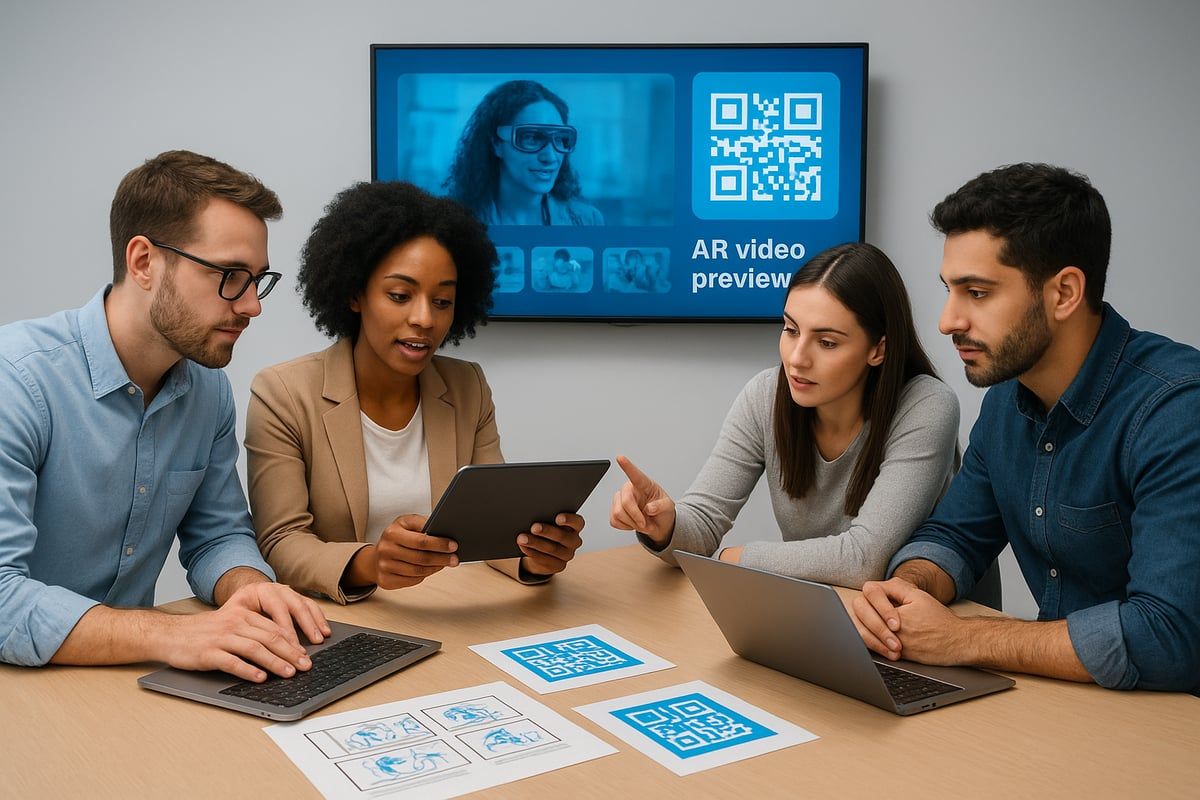
Next, generate a unique QR code for your ar video experience. Most platforms allow you to customize the QR code's design to fit your branding. Anchoring your ar video with a QR code makes it instantly accessible—users simply scan and interact with your content.
Store your QR code assets in an organized system for easy integration across your marketing materials.
Testing and Optimizing the AR Experience
Before launching, thoroughly test your ar video on a variety of devices, including smartphones, tablets, and AR headsets. Preview the user journey from scanning the QR code to viewing and interacting with the video.
Adjust video placement, scale, and orientation to ensure a seamless experience in different environments. Solicit feedback from team members or a pilot group to uncover usability issues.
Iterate based on feedback, refining your ar video for clarity and engagement. This optimization phase is crucial for maximizing user satisfaction and ROI.
Launching and Promoting Your AR Video Campaign
Deploy your ar video campaign by printing or displaying QR codes on relevant touchpoints, such as product packaging, signage, or digital banners. Integrate your ar video with social media campaigns and influencer partnerships to amplify reach.
Encourage customers to share their ar video experiences online, turning your campaign into a viral opportunity. Use clear calls-to-action and incentives to increase participation.
Monitor social platforms and branded hashtags to gauge the buzz around your ar video, and respond to user-generated content to build deeper engagement.
Measuring Success and Iterating
Track the performance of your ar video campaign using analytics tools provided by your AR SaaS platform. Key metrics include scan rates, video views, engagement time, and conversion rates.
Review the data to identify which content and touchpoints drive the most value. Use these insights to refine future ar video campaigns and tailor your messaging for even better results.
A case in point: retailers using ar video analytics have reported up to a 40% increase in customer engagement. Continuous measurement and iteration ensure your ar video strategy evolves with your audience.
AR Video in Action: Industry Applications and Success Stories
Augmented reality is no longer a futuristic concept. In 2026, AR video is transforming industries by creating interactive, engaging experiences that drive measurable results. From retail to enterprise, organizations are seeing tangible benefits by integrating AR video into their strategies.
Retail: Elevating Product Discovery and Sales
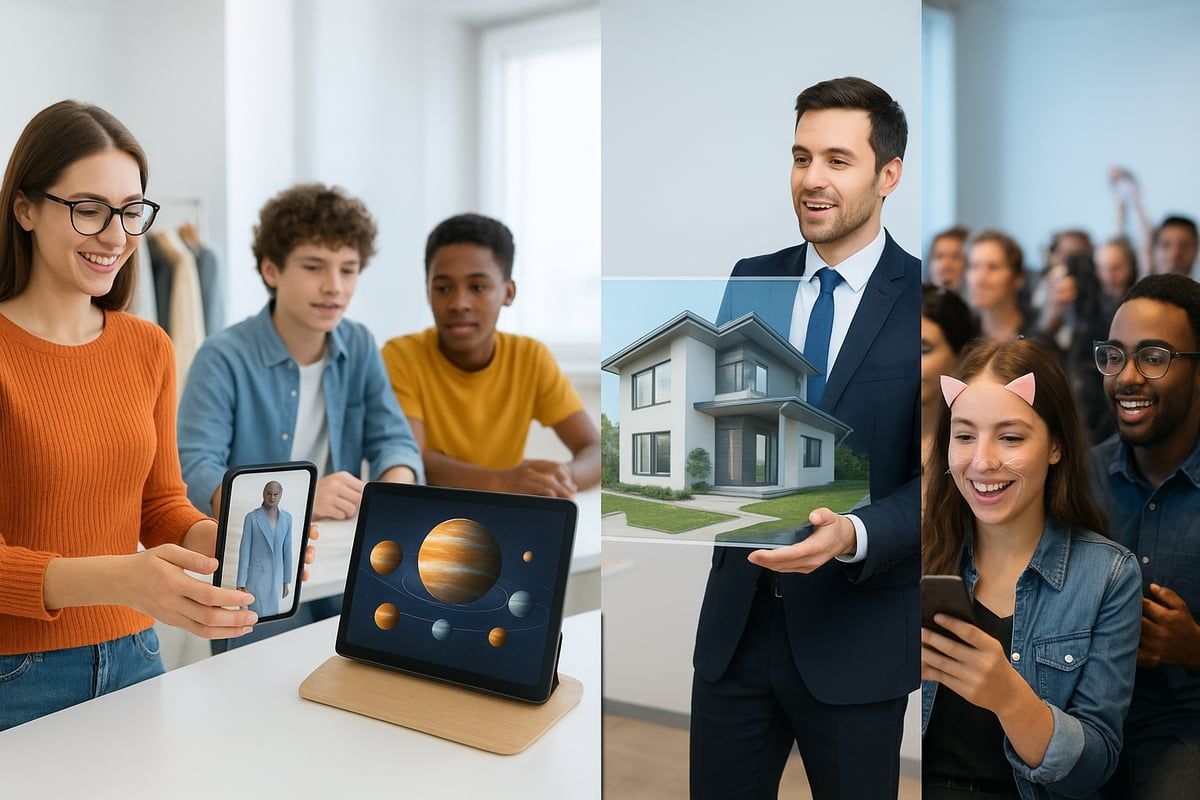
Retailers are leveraging AR video to offer immersive product demos, virtual try-ons, and interactive catalogs. This approach not only enhances product discovery but also boosts conversion rates. For instance, online boutiques use AR Code Object Capture to bring 3D product showcases directly to shoppers’ devices. With AR video, customers can visualize products in real space, making informed decisions before purchase.
The impact is clear: stores embracing AR video report higher engagement and increased sales. Interactive shopping experiences are setting new standards for customer satisfaction.
Education: Interactive Learning Experiences
In education, AR video empowers teachers to deliver dynamic tutorials, present 3D science models, and create immersive history lessons. Students can explore complex concepts through interactive AR video content, making learning more memorable and effective.
Studies show that AR video significantly improves student engagement and retention. As classrooms adopt this technology, teachers gain new tools to connect with learners and facilitate real-time demonstrations, transforming traditional education.
Real Estate and Architecture: Virtual Tours and Walkthroughs
Real estate professionals are using AR video overlays on property brochures and signage, offering prospective buyers 3D walkthroughs and renovation visualizations. This innovation helps clients experience properties remotely and gain a deeper understanding of spatial layouts.
For those interested in maximizing their property marketing, 10 Things About Real Estate Video Marketing provides valuable insights into leveraging AR video and video strategies for industry success. Integrating AR video not only attracts more buyers but also streamlines the decision-making process.
Entertainment and Events: Engaging Audiences Everywhere
AR video is redefining entertainment by bringing interactive trailers, branded face filters, and live event experiences to audiences worldwide. At concerts and sports events, attendees use AR video to unlock exclusive content, while movie promotions like the Napoleon trailer on Meta Quest 3 offer immersive previews.
These experiences encourage social sharing and viral reach, amplifying brand exposure. AR video filters and effects are now essential tools for engaging fans and building lasting connections.
Enterprise and Training: Accelerating Knowledge Transfer
Enterprises deploy AR video for onboarding, equipment demonstrations, and safety training. By providing step-by-step visual instructions, AR video shortens learning curves and boosts knowledge retention among employees.
Manufacturing firms, for example, use AR video to deliver maintenance tutorials that streamline communication and reduce errors. This approach not only saves time but also increases productivity across teams, showcasing the versatility of AR video in business operations.
The Future of AR Video: Trends and Innovations for 2026 and Beyond
The next wave of ar video is set to redefine how we interact with digital content. As hardware, software, and creative tools evolve, businesses and creators can expect a surge of new possibilities for audience engagement. Let’s explore the key trends and innovations shaping the future of ar video in 2026 and beyond.
AR Glasses and Headsets: Expanding the Canvas
AR video is rapidly expanding beyond smartphones into advanced wearables. Devices like the Meta Quest 3, Apple Vision Pro, and Samsung’s upcoming AR headsets are making immersive experiences more accessible. These platforms deliver ar video in a truly hands-free, interactive format, allowing users to view content layered seamlessly onto their real environment.
With enhanced cross-platform compatibility, ar video campaigns can now reach users whether they are on mobile devices or next-generation headsets. Innovations such as AI-driven user interfaces and gesture controls are further improving usability. For a glimpse into the cutting edge, AI-Powered AR Glasses Launch in 2026 highlights how AI integration is transforming hardware and user interaction.
AI and 3D Model Integration
Artificial intelligence is accelerating ar video creation by automating 3D model generation from simple images or video input. Tools like AR GenAI and AR Splat make it possible to create photorealistic 3D scenes in minutes, not hours. This boost in speed and realism is a game-changer for marketing, retail, and entertainment sectors.
The integration of AI also means that ar video can become more adaptive and context-aware, delivering content tailored to each user’s environment. For a deeper dive into how generative AI is driving these advances, see Generative Augmented Reality Paradigms, which explores the technology’s foundational concepts and future applications.
Hyper-Personalization and Real-Time Content
Personalization is taking ar video to new heights. AI-powered platforms can now deliver unique experiences based on user data, location, and preferences. Imagine receiving a personalized promotion or live pricing update directly within an ar video overlay while shopping.
Real-time business metrics are also being integrated, allowing brands to adapt content instantly. Features like AR Data API connect live data streams to ar video campaigns, keeping experiences fresh and highly relevant. This level of customization is driving deeper audience engagement and higher conversion rates.
Democratization: AR Video for Everyone
In 2026, creating ar video is no longer limited to technical experts. No-code and low-code SaaS platforms empower small businesses, educators, and independent creators to launch interactive campaigns with just a few clicks. Over 130,000 creators are already leveraging these tools to reach wider audiences.
This democratization is making ar video a staple across industries, from retail to education. Flexible pricing models and intuitive interfaces ensure that organizations of any size can benefit from immersive digital storytelling and customer engagement.
Evolving Analytics and Privacy Considerations
As ar video becomes a central part of digital marketing and communication, analytics tools are evolving to provide deeper insights into user behavior. Advanced dashboards now track scans, engagement time, and conversion rates, helping brands optimize their campaigns in real time.
With increased personalization comes greater responsibility around privacy and data security. Regulatory trends are shaping how user data is collected and used within ar video experiences. Striking the right balance between tailored content and privacy will be essential for long-term trust and compliance.
Expanding Your AR Strategy: Beyond Video to 3D, AI, and More
Augmenting your AR video strategy with advanced technologies can set your brand apart in 2026. Expanding beyond simple overlays, brands now leverage 3D, AI, and interactive features to create richer, more impactful experiences. Let us explore how these innovations can elevate your campaigns.
Object Capture and 3D Model Integration
Integrating 3D models into your ar video campaigns unlocks immersive product visualization. Using 3D scanning, such as AR Code Object Capture, businesses can create lifelike digital twins of products. This approach transforms retail, enabling virtual showrooms and interactive catalogs that engage customers in new ways.
For a proposed manufacturing or education application, identify the object or process viewers need to examine. Test whether the 3D model, labels and interaction explain it clearly on the devices your audience will use.
AR Text, Photo, and Portal Experiences
The versatility of ar video extends to AR text, photo, and portal experiences. With AR Text, brands deliver real-time instructions or messages directly in the user’s environment. AR Photo brings products to life through 3D image galleries, letting users interact with visuals before making decisions.
AR Portal experiences enable virtual tours, transporting users into branded worlds or retail spaces from anywhere. For example, packaging campaigns powered by AR Code allow instant access to product stories or tutorials, all triggered by a simple scan. These integrations provide memorable, interactive touchpoints that drive engagement.
Advanced Features: Face Filters and Logo Animations
Ar video strategies are evolving with advanced features like AR face filters and animated logos. Face filters are popular for events and social campaigns, encouraging user participation and social sharing. Brands use AR Logo animations to create 3D versions of their marks, reinforcing recognition and delighting audiences.
These features not only enhance visual impact but also boost brand differentiation in crowded markets. Interactive branded effects can turn every customer into a potential ambassador, increasing reach and memorability. Incorporating these elements into your ar video approach ensures your campaigns stand out.
Optimizing and Personalizing Your AR Campaigns
Personalization is the key to maximizing ar video campaign performance. Customizable AR Code designs allow brands to match QR codes with their identity, making every touchpoint cohesive. Flexible SaaS plans ensure businesses of all sizes can access the latest features and scale their efforts.
Analytics-driven optimization is crucial. By tracking scans, views, and engagement, marketers refine content for better results. For more insights on how animated and interactive content drives business growth, explore Animated Explainer Videos for Business Growth. With the right strategy, your ar video campaigns can capture attention and deliver measurable ROI.
As you’ve seen, AR video is transforming how brands connect, engage, and create memorable moments for their audiences—unlocking possibilities we could only imagine a few years ago. Whether you’re looking to boost customer engagement, elevate your marketing, or pioneer new interactive experiences in 2026, having a strategic partner makes all the difference. If you’re ready to explore how AR video can deliver real results for your business, let’s talk about your goals and vision.
Book a strategy session
and discover what’s possible with a forward-thinking approach to immersive content.